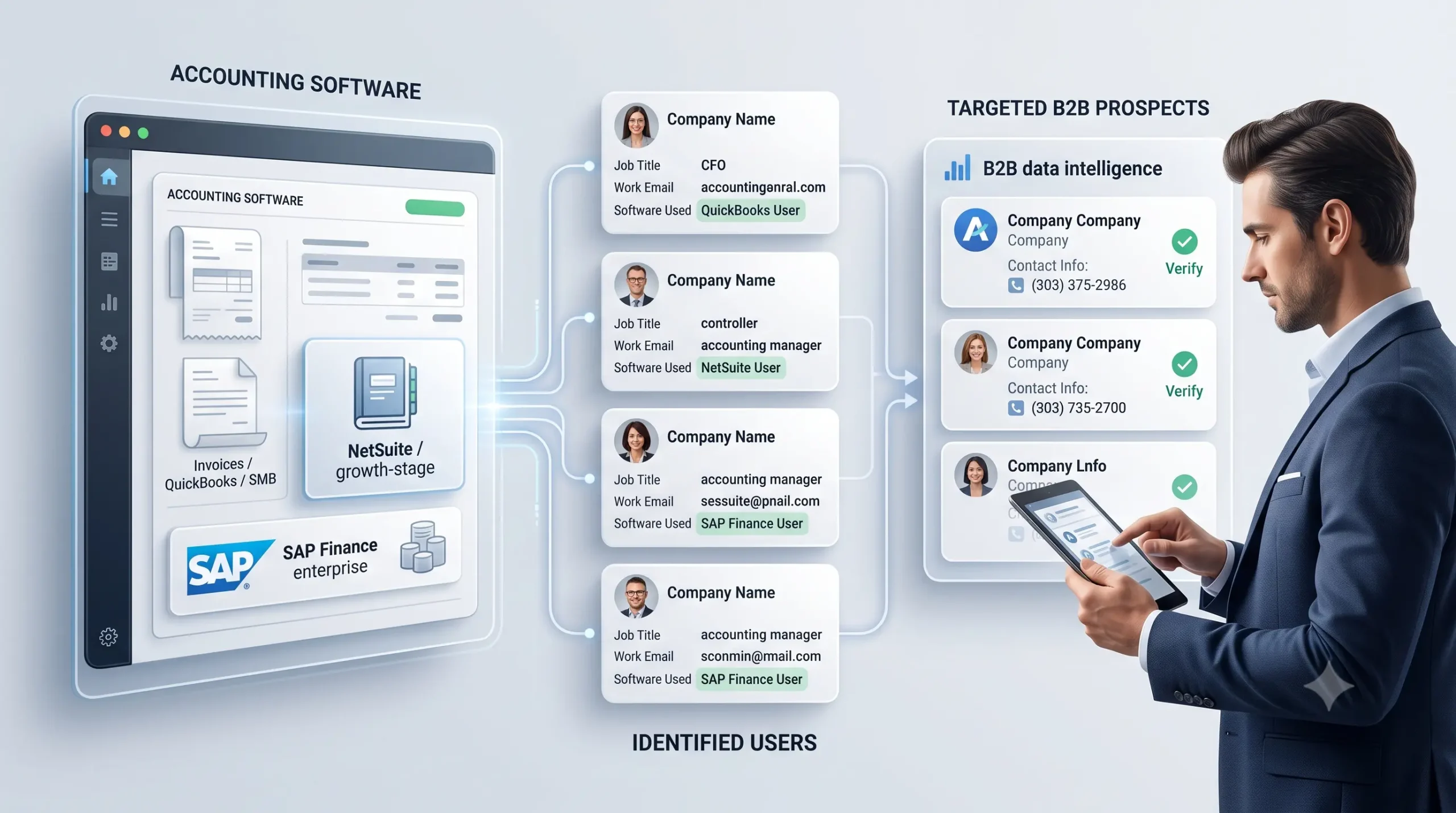
Despite email’s dominance in modern business communication, telemarketing lists continue to deliver superior results for high-value B2B sales in 2026. While digital marketing evangelists predicted the death of cold calling, companies selling complex solutions, enterprise software, and high-ticket services find that telemarketing lists combined with strategic phone outreach dramatically outperform email campaigns when targeting qualified business prospects.
Understanding why phone-based prospecting maintains this effectiveness advantage helps sales organizations allocate resources strategically. The reasons span human psychology, decision-making complexity, relationship requirements, and fundamental differences in how business buyers engage with phone versus email channels.
The High-Value B2B Sales Landscape in 2026
Complex sales environments favor direct conversation over digital messaging.
Enterprise software, professional services, industrial equipment, healthcare solutions, and financial products typically involve six to seven-figure contracts requiring months-long sales cycles. These high-stakes decisions involve multiple stakeholders and relationship development email cannot facilitate effectively.
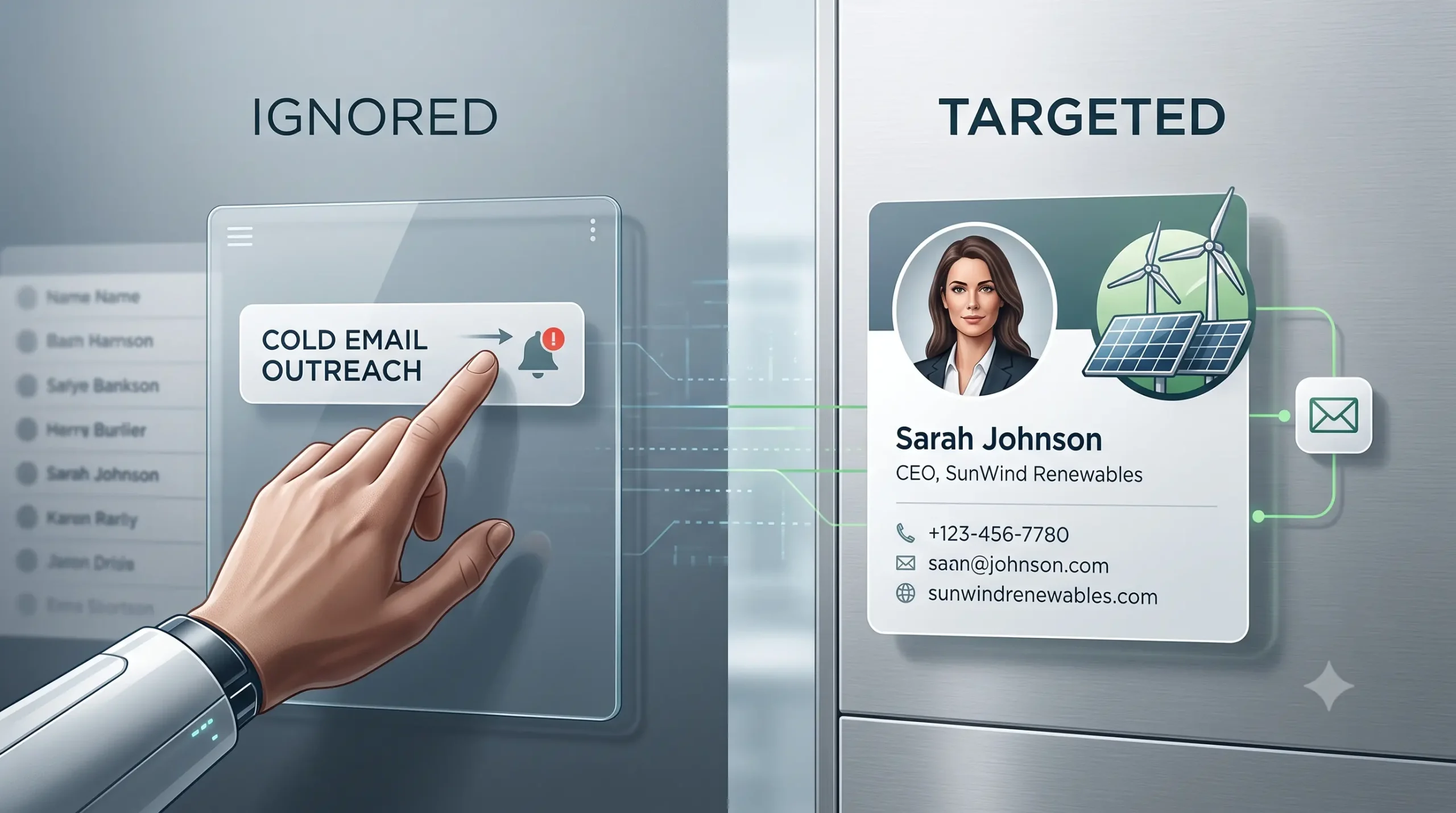
Decision-maker access represents the fundamental challenge. C-suite executives and department heads control budgets but remain nearly unreachable through email. Their inboxes overflow with hundreds of daily messages. Cold emails get deleted unread. Phone calls reach assistants who can schedule appointments or connect directly.
Relationship-driven buying processes require human connection. B2B buyers purchasing expensive solutions want to assess vendor credibility and expertise. Phone conversations enable this evaluation. Email exchanges lack the nuance building trust.
Conversion Rate Reality: Phone Dramatically Outperforms Email
Hard data reveals stark performance differences between telemarketing lists used for calling versus email lists used for digital outreach.
Phone conversation rates from quality telemarketing lists targeting B2B decision-makers typically achieve 3 to 8 percent connection rates. Skilled representatives connect with 30 to 80 qualified prospects per 1,000 calls.
Email open rates to business lists hover around 15 to 25 percent. Click-through rates average 2 to 4 percent. Response rates requesting information run under 1 percent. Conversion to actual sales conversations falls below 0.5 percent.
The math becomes stark. Calling 1,000 prospects might generate 50 meaningful conversations. Emailing 1,000 prospects might generate 3 to 5 conversations. This 10-to-1 advantage justifies higher per-contact costs.
Appointment setting success rates favor phone dramatically. Cold calling campaigns converting 2 to 4 percent of conversations into scheduled meetings outperform email campaigns lucky to achieve 0.3 percent meeting conversion.
Deal velocity accelerates through phone engagement. Sales cycles starting with phone conversations close 30 to 40 percent faster than those beginning with email exchanges.
Why Decision-Makers Answer Calls But Ignore Emails
Human behavior patterns explain the channel performance gap.
Scarcity creates value in phone access. Decision-makers receive hundreds of emails daily but far fewer phone calls. This scarcity makes calls feel more important than abundant emails.
Interruption forces engagement. A ringing phone demands immediate decision about answering. An email sits unopened indefinitely. This forcing function gets sales messages in front of prospects who would never open cold emails.
Voice communication conveys credibility impossible through text. Tone, confidence, expertise, and authenticity come through in conversation. Live conversation demonstrates real human capability.
Immediate objection handling moves sales forward. When prospects voice concerns on calls, representatives address them immediately. Email objections require back-and-forth exchanges dragging over days.
Relationship chemistry emerges through conversation. Prospects assess whether they like and trust salespeople within minutes of phone conversation. This gut-level chemistry rarely develops through email.
Complex Solutions Require Consultative Selling
High-value B2B sales demand approaches email cannot support effectively.
Needs discovery through questioning reveals prospect challenges. Skilled sales representatives ask diagnostic questions uncovering problems prospects didn’t realize they had. This consultative approach requires real-time conversation.
Solution customization happens during calls. Rather than generic email pitches, phone conversations allow representatives to position solutions addressing specific prospect situations. This customization dramatically improves relevance.
Objection identification and resolution advances sales cycles. Prospects voice concerns during calls that would never appear in emails. Representatives handling objections immediately keep opportunities alive.
Buying committee navigation requires intelligence gathering. Phone conversations reveal who else influences decisions and what concerns different stakeholders have.
The Multi-Touch Advantage of Phone-First Campaigns
Campaigns beginning with telemarketing lists enable superior follow-up sequences.
Live conversation permission opens email channels. After productive phone discussions, prospects accept follow-up emails they would delete as cold outreach.
Personalized email follow-up references specific conversation points. Rather than generic sequences, emails after calls say “As we discussed regarding your inventory management challenges…” This personalization drives engagement.
Scheduled callback commitments create natural next touches. Ending calls with “I’ll call you back Tuesday at 2pm” establishes expected contact rather than unwelcome interruption.
Multi-channel sequences leveraging phone, email, and LinkedIn convert higher than single-channel approaches. However, these sequences work best starting with phone establishing relationship foundation.
Industry-Specific Telemarketing List Applications
Certain B2B sectors see particularly dramatic advantages from telemarketing lists over email.
Enterprise software sales targeting IT directors and CTOs rely heavily on phone prospecting. Decision-makers evaluating six-figure software investments want conversations before engaging digitally. Cold emails get ignored.
Professional services including consulting, legal, and accounting use telemarketing lists to reach potential clients. High-net-worth individuals considering $50,000 to $500,000 engagements respond to personalized phone outreach.
Industrial equipment and manufacturing sales require phone engagement. Purchasing managers buying $100,000 to $1 million+ machinery want detailed conversations about specifications.
Healthcare solution sales to hospitals depend on phone access. Administrators making seven-figure purchasing decisions need relationship development phone enables.
Financial services targeting business owners find phone outreach essential. Wealth management, commercial lending, and insurance sales rarely succeed through cold email.
Quality of Telemarketing Lists Determines Success
List quality matters even more for phone campaigns than email because each contact costs more.
Decision-maker accuracy ensures calls reach actual buyers. Lists claiming to contain CFOs must actually have verified CFO contact information.
Direct dial phone numbers bypass gatekeepers when possible. Direct dials increase connection rates dramatically versus main company numbers.
Firmographic accuracy ensures targeting precision. Company revenue, employee count, and industry classification help identify ideal prospects before calling.
Contact-level insights improve approach. Job titles, tenure, and educational background help representatives personalize opening statements building rapport.
Compliance Requirements for Telemarketing Lists
Legal regulations around B2B calling differ significantly from consumer telemarketing.
B2B exemptions exist under TCPA for established business relationships. Companies with existing vendor relationships can call business contacts with more flexibility than consumer calling.
Do Not Call Registry requirements apply differently. Business-to-business calls to company phone numbers generally aren’t covered by national Do Not Call Registry.
Mobile phone calling still requires consent awareness. Even in B2B contexts, calling mobile phones using automated dialing systems requires express written consent.
State-level regulations vary significantly. Working with experienced list brokers who understand these variations prevents violations.
Technology Enablement of Modern Telemarketing
Sales technology in 2026 makes telemarketing more effective than ever.
Sales engagement platforms integrate calling with CRM systems. Representatives click-to-call while automatically logging activity and scheduling follow-ups.
Local presence dialing increases answer rates. Technology displaying local area codes rather than distant numbers improves connection rates.
Call recording and coaching improves performance. Managers review recorded calls identifying what works and coaching representatives.
Conversation intelligence AI analyzes calls for keywords and sentiment. This technology reveals which approaches work best.
Cost-Benefit Analysis: Telemarketing vs Email for B2B
Understanding true ROI requires looking beyond simple per-contact costs.
Telemarketing list rental costs $200 to $400 per thousand business contacts. Email lists cost $150 to $300 per thousand. The difference seems significant until conversion rates are considered.
Sales representative time represents the major cost. A representative making 50 calls per day costs $500 to $800 daily. However, with 3 to 8 percent connection rates, cost per actual conversation runs $125 to $533.
Email costs seem lower at $30 per thousand to send. However, with 0.3 to 0.5 percent conversion to conversations, cost per actual sales discussion runs $6,000 to $10,000.
Deal size justifies higher acquisition costs. When average deals run $50,000 to $500,000, spending $500 to generate a qualified conversation makes perfect sense.
Sales cycle time value matters enormously. Closing deals 30 percent faster through phone-initiated relationships generates more annual revenue.
The Hybrid Approach: Phone-First Multi-Channel Campaigns
The most sophisticated B2B sales organizations use multi-channel campaigns with telemarketing lists as foundation.
Pre-call research using LinkedIn enables personalized approaches. Representatives who reference specific company challenges connect better.
Initial phone outreach establishes relationship and permission. The first conversation introduces the value proposition while earning permission for follow-up.
Email follow-up within 24 hours reinforces conversation. Representatives send promised information while conversations remain fresh.
Scheduled callback commitments maintain momentum. Representatives schedule specific callback times during initial conversations.
LinkedIn connections after calls create additional touch points. Prospects accepting connection requests enable ongoing relationship development.
Telemarketing lists used strategically in phone-first B2B sales campaigns consistently outperform email-only approaches for high-value complex sales. The reasons include superior connection rates, consultative selling requirements, relationship development needs, and fundamental psychology around how decision-makers engage with phone versus email.
While email plays important supporting roles, organizations selling enterprise solutions and high-ticket products maximize results by centering campaigns on quality telemarketing lists and skilled phone outreach.
Ready to improve B2B sales results through telemarketing lists? Work with experienced list brokers who can provide targeted business lists and multi-channel strategies proven to generate qualified conversations.