In 2026, donors are exhausted by digital ads, emails, and notifications.
Your fundraising emails sit unopened. Your social media posts get scrolled past. Your text alerts get dismissed. The digital tools that used to work just don’t anymore not because donors don’t care, but because they’re overwhelmed.
But something else is working: sending real letters to the right people.
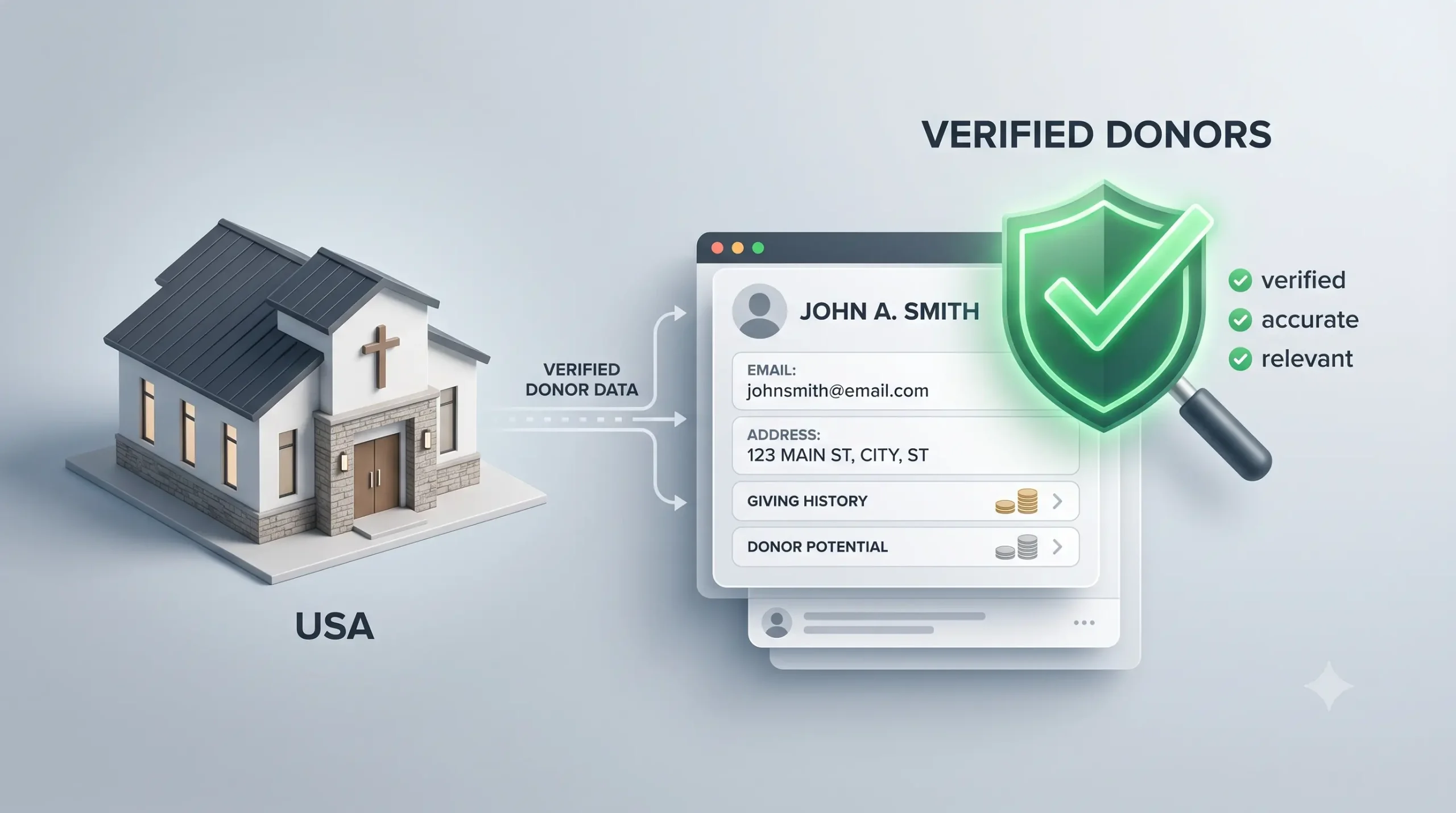
Not random mass mailings to strangers. Not postcards to every house on a street. We’re talking about a likely donor mailing list a smart, focused list of people who are already inclined to give.
This blog explains why this approach beats generic outreach, what makes it work when everything else fails, and why 2026 is the year to pay attention.
Why Isn’t Digital Fundraising Working Anymore?
Because donors are drowning in it.
Think about your own inbox. You probably get 100+ emails a day. Work stuff. Bills. Ads. Messages from family. And somewhere in there, fundraising appeals from a dozen different nonprofits all asking for money.
The average person checks their phone 150 times a day. They see ads on every app. Videos autoplay. Pop-ups demand attention. It’s exhausting.
So when your fundraising email arrives even if it’s well-written it’s competing with everything else screaming for attention. Most people don’t even open it. If they do, they skim it in two seconds and move on.
The numbers back this up. Fundraising emails get opened less than 30% of the time. And out of those opens, only about 1 in 1,000 people actually donate. That’s not because your cause doesn’t matter. It’s because people are overloaded.
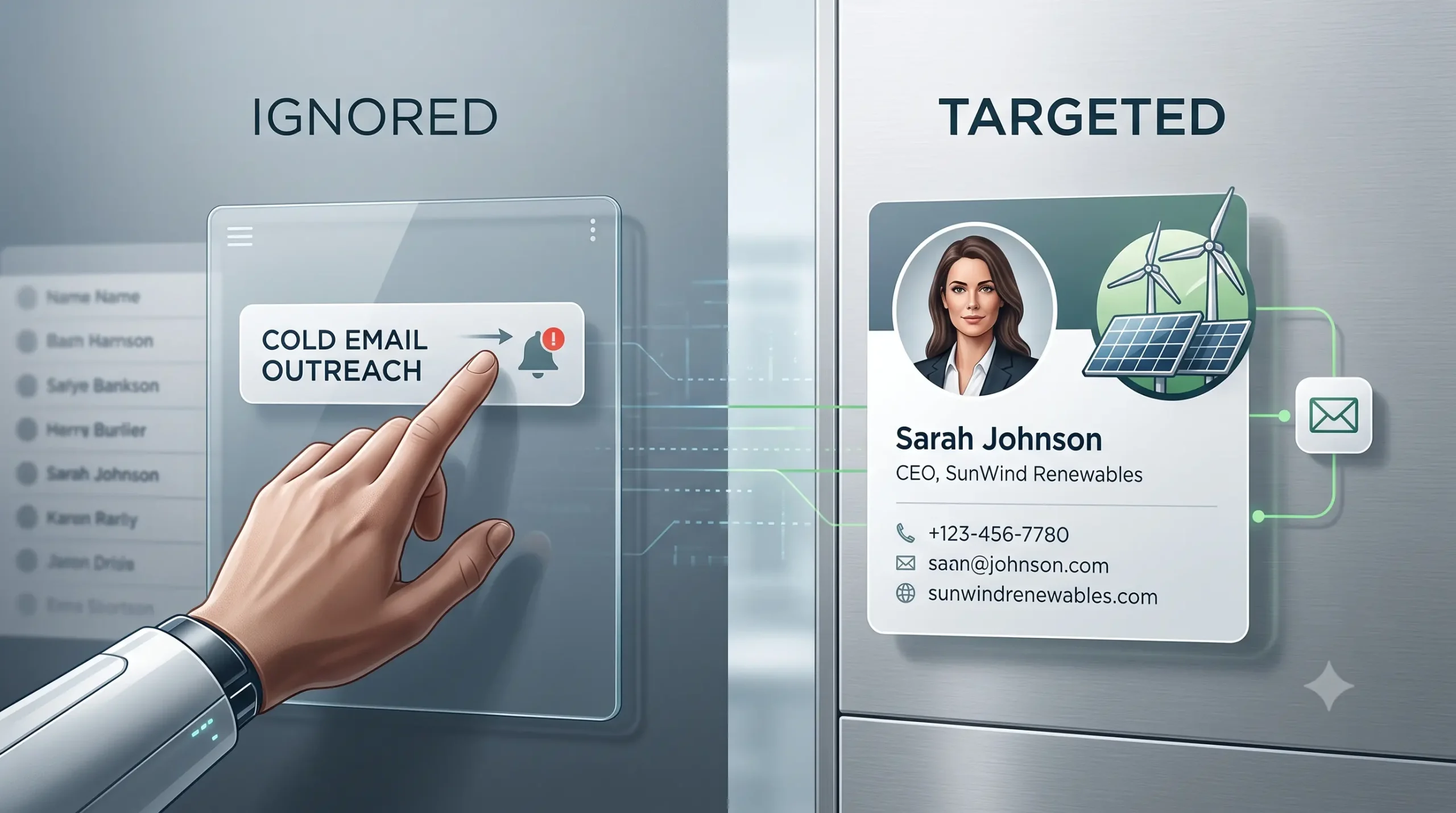
Generic outreach makes it worse. When you send the same message to everyone donors, strangers, people who’ve never heard of you you’re just adding to the noise.
Now think about physical mail. When someone gets a real letter in their mailbox, they stop and look at it. They hold it. They open it. Research shows people spend about 12 seconds with a piece of mail compared to barely a glance at an email.
In 2026, that kind of attention is rare. And valuable.
But here’s the catch: not all mail works. Sending generic flyers to random addresses gets ignored just like generic emails. What works is being smart about who you’re mailing. That’s where a likely donor mailing list makes all the difference.
Why Does a Likely Donor Mailing List Beat Generic Lists?
Because it’s not guessing. It’s based on real behavior.
A generic mailing list might say “people who care about charity” or “homeowners in nice neighborhoods.” That sounds okay, but you’re still mailing strangers and hoping a few respond.
A likely donor mailing list is different. It’s built on three simple facts about giving:
- Recency: Did they donate recently? (Like in the past 6–18 months)
- Frequency: Do they give regularly, or was it just once?
- Monetary value: How much do they typically give?
These three things predict future giving better than anything else.
Why does this matter when donors are tired of digital clutter? Because these people have already said yes to causes like yours. They’re not strangers you need to convince from scratch. They already care. They just need a reason to give again.
The results speak for themselves. Generic direct mail campaigns might get a 0.5–1% response rate. That means out of 1,000 letters, maybe 5–10 people donate.
But a targeted campaign using a likely donor mailing list? Response rates jump to 3–5%. Sometimes higher if you’re reaching people who gave before but went quiet. That’s not a small improvement. That’s 3 to 5 times better.
And here’s what makes it even better: donors who respond to targeted mail tend to give again. When you follow up with an email a week later, you can increase their lifetime value by 20–30%. The letter gets their attention. The email reminds them. Together, they work.
Why Does This Matter More Now in 2026?
Three big reasons:
- People don’t trust digital anymore.
Fake emails. Scam texts. AI-generated content everywhere. In 2026, donors don’t know what’s real online. A physical letter with a real signature and stamp feels trustworthy. It shows you actually invested in reaching them. That trust matters, especially when someone’s deciding whether to donate. - Digital ads cost more and work less.
Facebook ads that used to cost $2 per click now cost $8 or more. Email lists don’t convert like they used to. Getting a new donor through digital channels keeps getting more expensive while results keep dropping. Direct mail to a likely donor mailing list flips that yes, it costs more upfront per letter, but you get way better results and donors who stick around longer. - The people who give the most prefer mail.
Baby boomers control over half the wealth in North America. They give 60% more than younger donors. And they respond to mail at much higher rates than digital. Ignoring mail because it feels “old-fashioned” means you’re ignoring your best donors. And it’s not just boomers anymore younger people tired of digital overload are starting to respond to real mail too, especially when it feels personal.
In 2026, nonprofits that treat their likely donor mailing list as a real strategy not just a backup plan are the ones hitting their fundraising goals.
What Makes a Likely Donor Mailing List Actually Work?
You can’t just pull random names and expect results. Here’s what matters:
Use ethical, permission-based data.
Privacy laws are getting stricter in 2026. You can’t just buy a list and mail anyone. You need people who opted in or who already have a relationship with your organization. Mailing strangers without permission doesn’t just risk legal trouble it destroys trust. Work with reputable providers or build from your own donor database.
Segment your list don’t just dump names.
Your donor database isn’t just a storage bin. It’s gold if you use it right. Pull your donor list and sort it. Someone who gave $100 six months ago and hasn’t given since? They’re not gone. They just need a reminder. A targeted letter to them will beat a generic letter to a stranger every time.
Use tools that predict who’ll give.
In 2026, even small nonprofits can use software that scores your contacts and predicts who’s most likely to donate. It finds people you’d miss on your own and flags donors who might stop giving before they disappear. This technology used to be expensive. Now it’s affordable and pays for itself by making your targeting more accurate.
Match your methods to your mission.
If your cause is about the environment, use recycled paper. If you’re targeting eco-conscious donors, offer a digital giving option alongside the physical letter. People notice when your actions match your message. It builds trust.
How Do Likely Donor Lists Actually Perform?
Let’s compare three approaches:
Sending 10,000 Generic Emails:
- 2,800 people open it (28% open rate)
- 22 people click (0.8% click rate)
- 2 people donate (10% conversion)
- Average donation: $50
- Total raised: $100
- Cost: Technically free, but takes 20+ hours of staff time
Sending 5,000 Generic Postcards:
- 25 people donate (0.5% response rate)
- Average donation: $75
- Total raised: $1,875
- Cost: $3,500 (printing + postage)
- Net result: You lose $1,625
Sending 500 Targeted Letters to a Likely Donor Mailing List:
- 20 people donate (4% response rate)
- Average donation: $150
- Total raised: $3,000
- Cost: $750 (printing + postage)
- Net result: You make $2,250
- Plus 15% of those donors give again within 90 days after an email follow-up
The difference isn’t the format. It’s who you’re mailing. A likely donor mailing list puts your message in front of people who are ready to give, in a format that cuts through all the digital noise.
Why Nonprofits Can’t Ignore This Anymore
Digital fatigue isn’t going away. It’s getting worse. Every nonprofit is fighting for the same small slice of digital attention, and it keeps getting harder and more expensive.
Direct mail to a likely donor mailing list doesn’t replace digital. It works alongside it. It reaches donors where they’re still paying attention. It rebuilds trust when everything online feels fake. And it gets results that generic blasts whether digital or mail just can’t match.
The nonprofits growing their donor base and hitting their goals in 2026 are the ones being smart about their data. They segment. They target. They test. The ones still blasting the same message to everyone are the ones wondering why nothing’s working anymore.
Here’s how to start: Pull your donor data. Find people who gave before but haven’t recently. Sort them by how much they gave and how often. Test a small campaign to your best prospects. See what happens. Then scale what works.
And when you’re ready to grow beyond your existing donors, work with a list broker who knows how to find people who look like your best givers. Because in 2026, your list isn’t just part of the plan.
It is the plan.
Ready to build a likely donor mailing list that actually gets results? Prospects Influential has spent over 30 years helping nonprofits find the right people for their direct mail campaigns. Let’s find your next best donor.