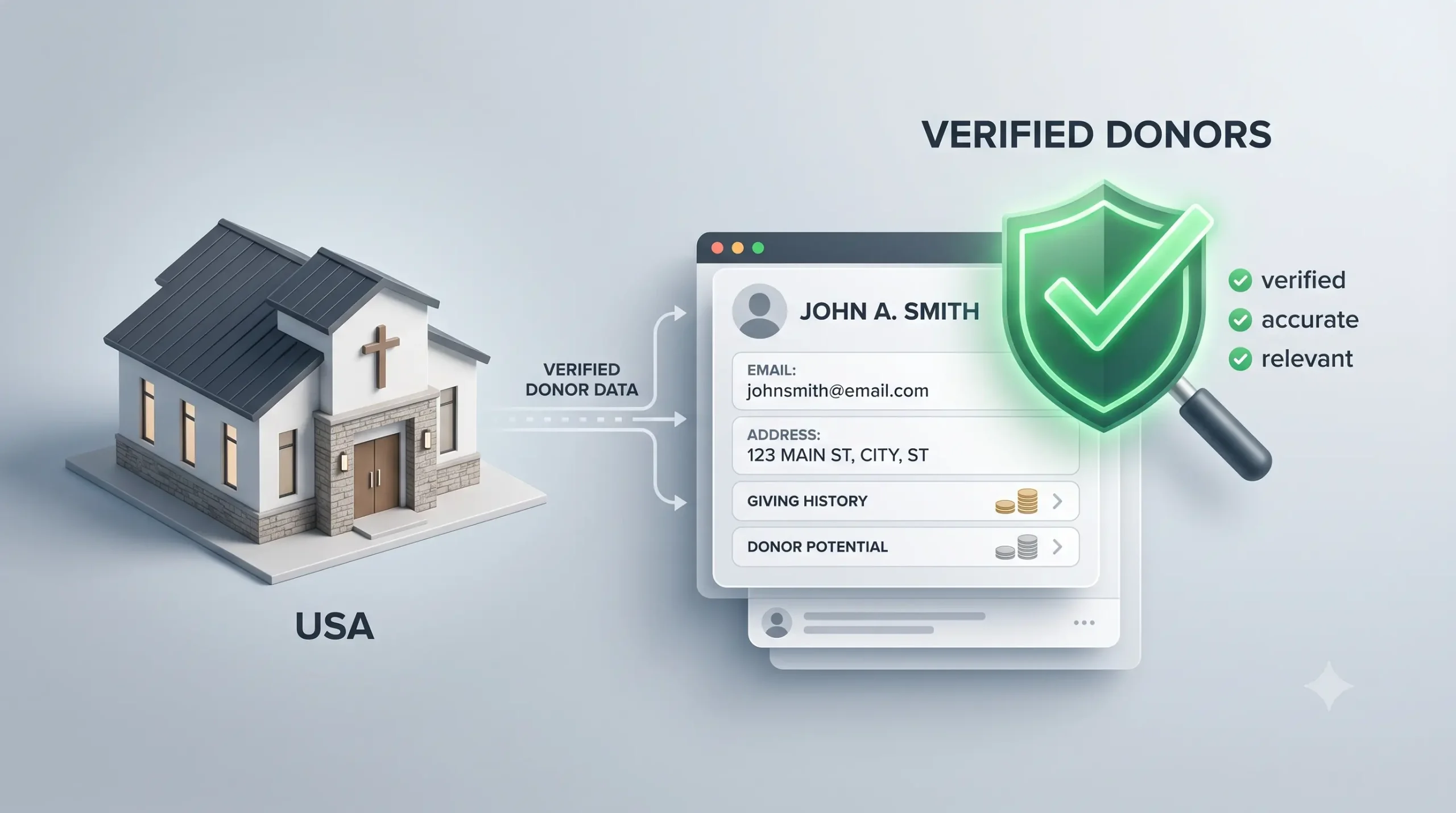
A messy donor mailing list costs you money, damages your reputation, and wastes time.
Bad email addresses bounce. Inactive contacts drag down your engagement rates. Outdated data leads to wasted postage. And if you’re not following privacy laws, you could face serious fines.
Keeping your donor mailing list clean isn’t just good practice it’s essential for effective fundraising in 2026. This guide explains why list maintenance matters, what risks you face if you ignore it, and the best practices for keeping your data clean, current, and compliant.
Why List Quality Actually Matters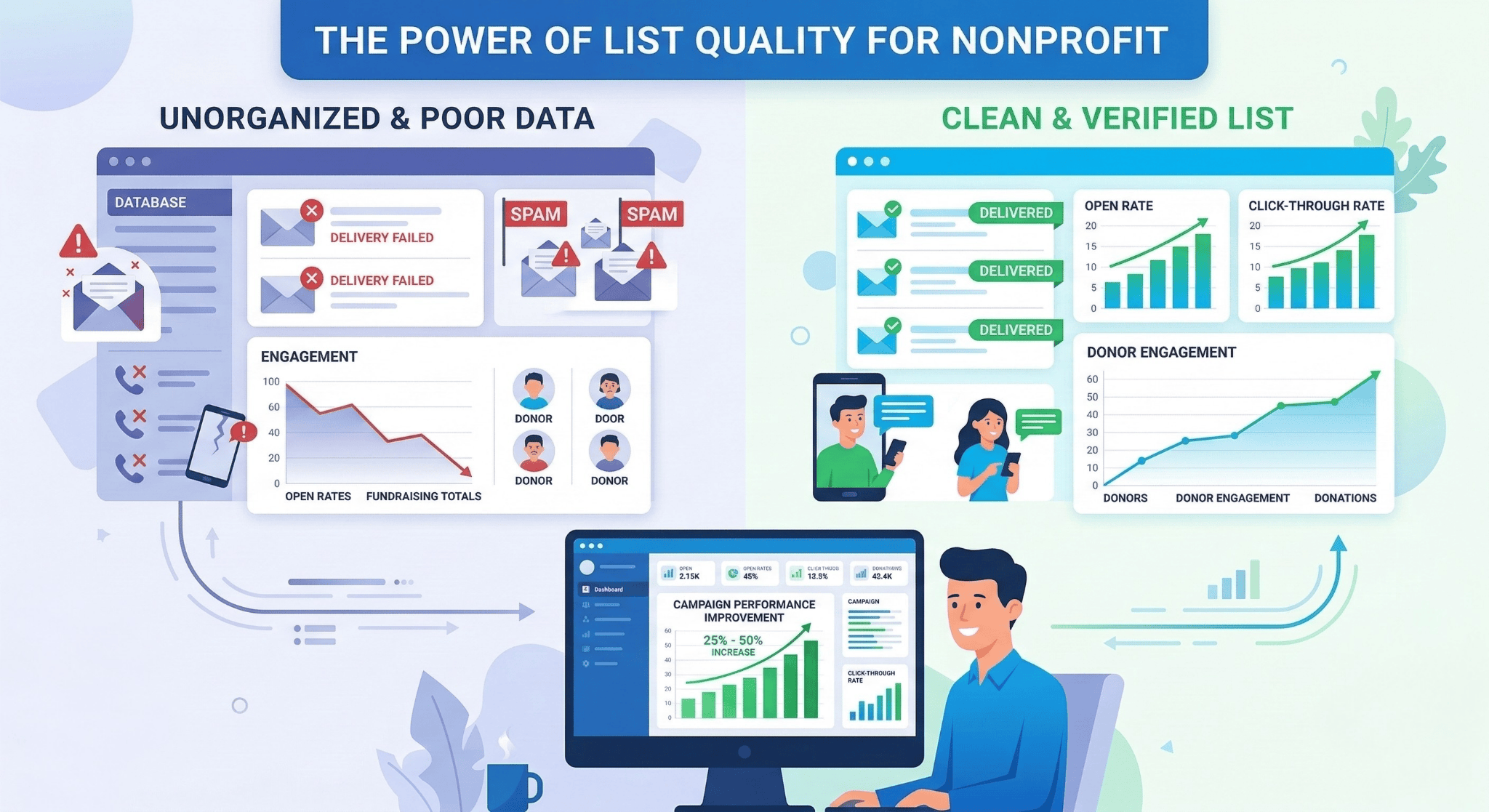
The real costs of a dirty donor mailing list add up fast:
You lose contacts constantly. Organizations typically lose 20-30% of their contacts every year. Email addresses change. People move. Donors pass away. Phone numbers get disconnected. Without regular maintenance, a quarter of your list becomes useless within 12 months.
Your sender reputation takes a hit. Email providers like Gmail and Outlook track how your emails perform. High bounce rates, spam complaints, and low engagement tell them your emails aren’t wanted. Once your sender reputation drops, even your legitimate emails start going to spam or get blocked entirely.
You waste resources on dead ends. Every bounced email, returned letter, or disconnected phone call costs you. You’re spending time and money trying to reach people who don’t exist or aren’t listening anymore.
Engagement metrics suffer. When your list is full of inactive or invalid contacts, your open rates and click rates look terrible. This makes it harder to understand what’s actually working in your campaigns.
You risk legal consequences. Privacy laws in 2026 are stricter and better enforced than ever. Mailing people without proper consent, ignoring unsubscribe requests, or failing to protect donor data can result in fines that seriously damage small nonprofits.
Organizations that maintain clean lists see dramatically better results typically 25-50% improvement in campaign performance. Their emails get delivered. Their mailings reach real people. Their donors stay engaged longer.
The Risks of Ignoring List Maintenance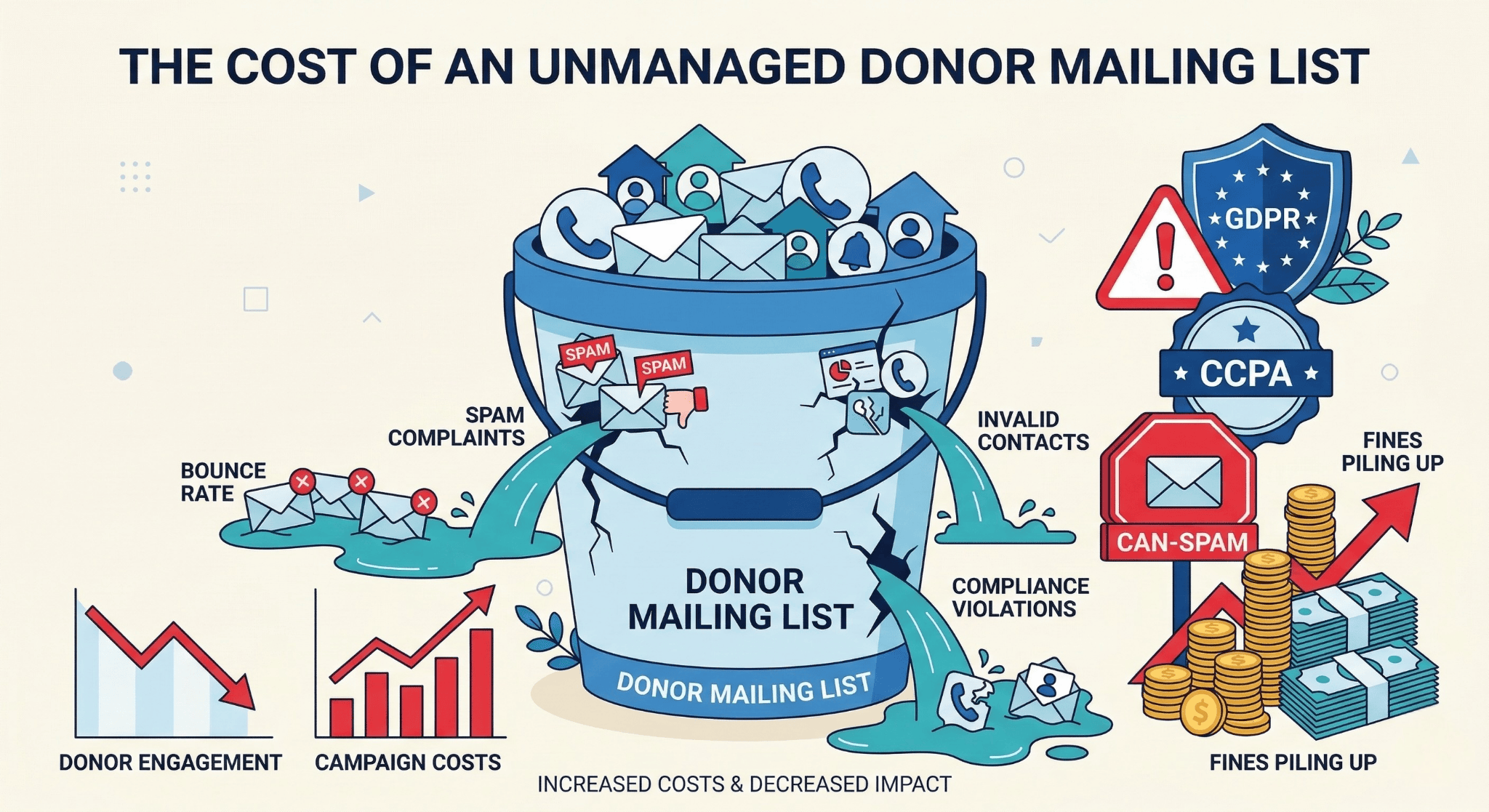
What happens when you let your donor mailing list deteriorate?
Email deliverability collapses. As bounce rates climb above 2%, email providers start treating all your messages with suspicion. Your emails go to spam folders automatically. Eventually, you might get blacklisted entirely, which means none of your emails reach anyone even people who want them.
Costs multiply unnecessarily. If you’re paying per contact in your CRM or email platform, you’re paying for dead weight. If you’re doing direct mail, you’re spending postage on addresses that don’t exist. These costs add up to thousands of dollars wasted on contacts that will never respond.
Compliance violations mount. Under GDPR, organizations can face fines up to €20 million or 4% of annual revenue for serious violations. CCPA fines in California can reach $7,500 per violation. CAN-SPAM violations in the US run up to $51,744 per email. Even small nonprofits aren’t exempt from these laws.
Donor trust erodes. When you mail someone who asked to be removed, or keep emailing someone who never responds, you’re not being persistent you’re being annoying. This damages your organization’s reputation with the very people you’re trying to reach.
Analytics become meaningless. When half your list is inactive or invalid, you can’t tell what’s working. A 10% open rate might look terrible, but if 40% of your list is dead contacts, your real open rate among engaged donors could be much higher. Bad data makes good decisions impossible.
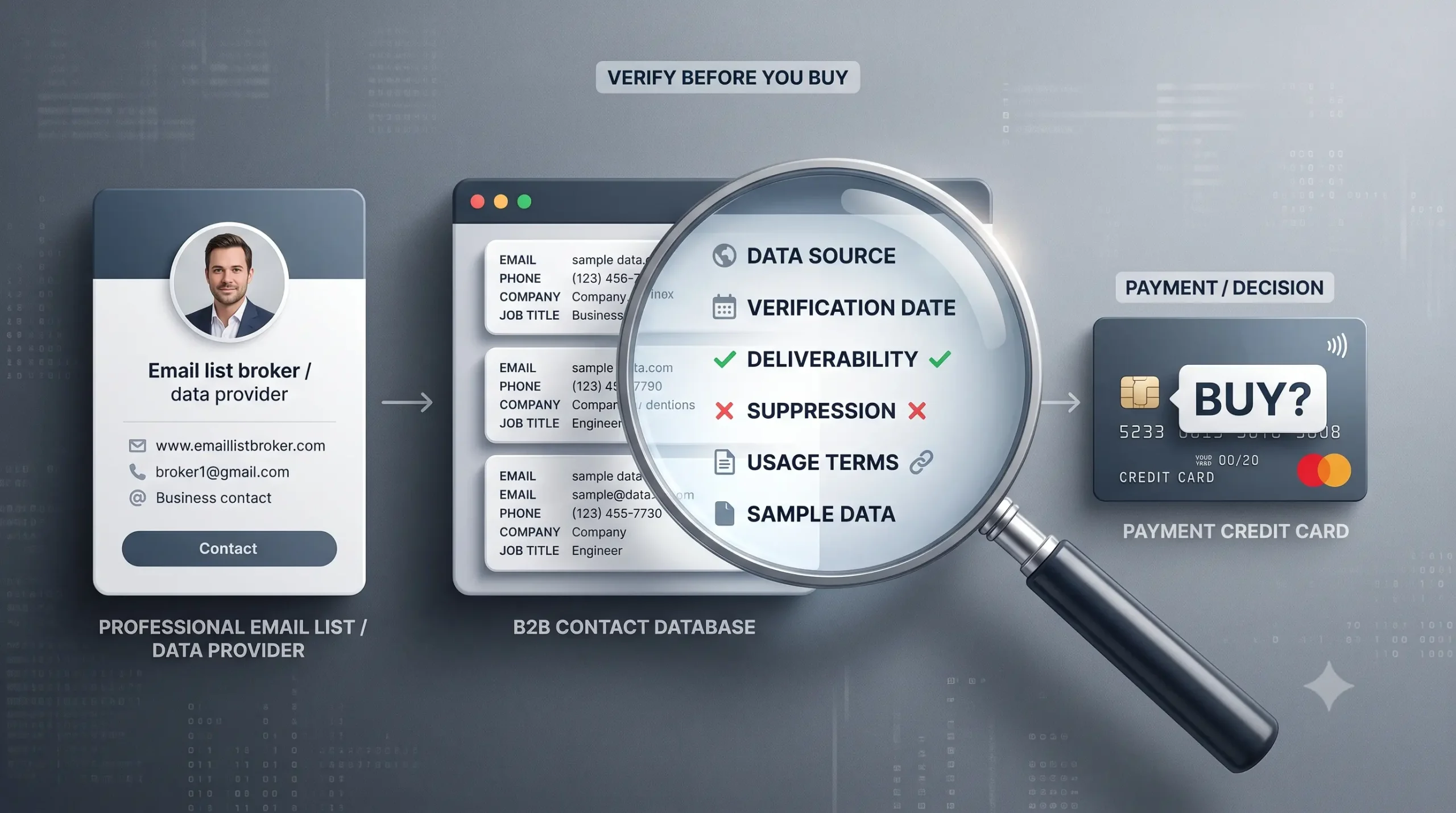
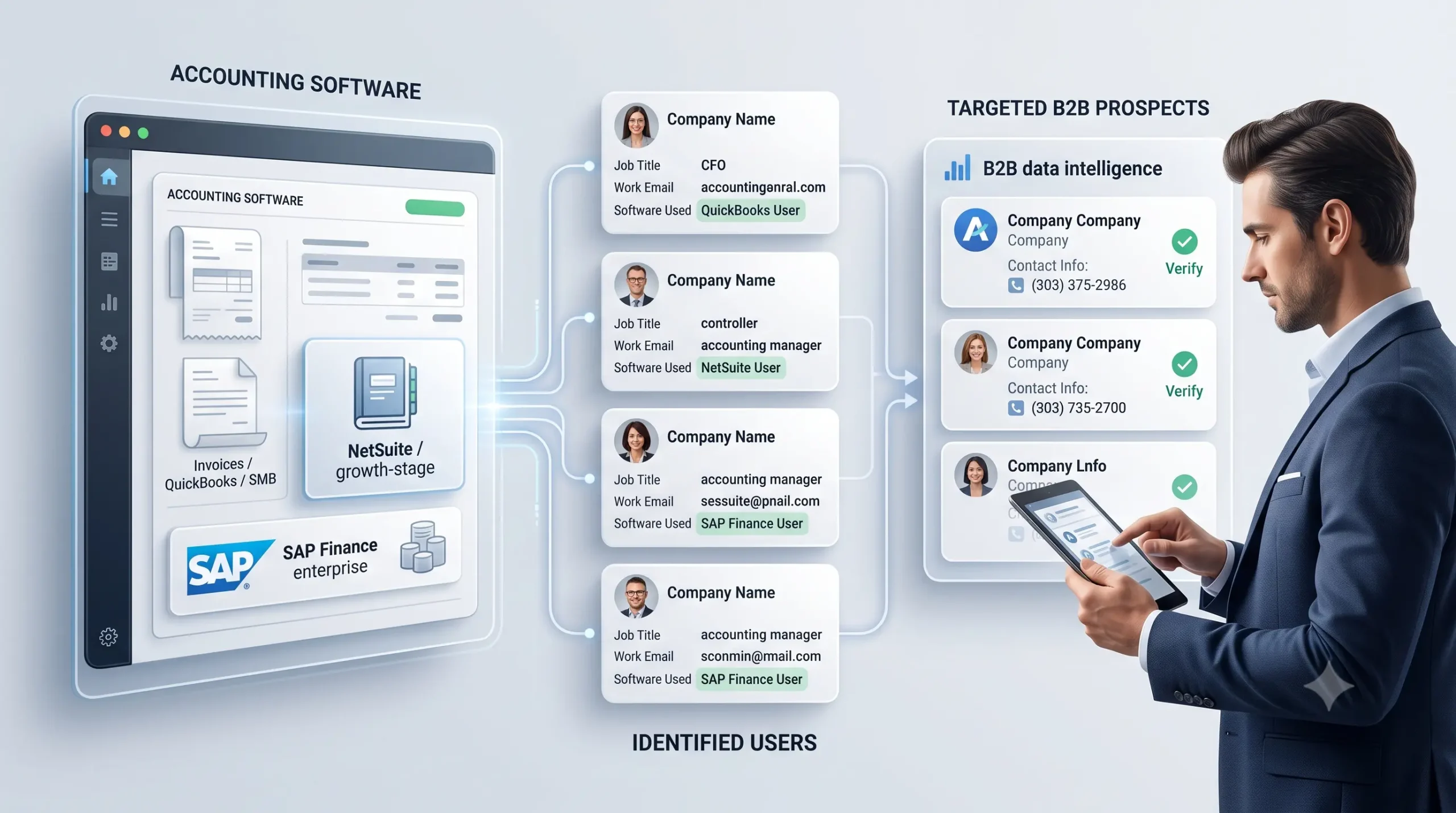
Ignoring list maintenance doesn’t just reduce campaign performance—it can also expose organizations to bad data, compliance violations, and unnecessary marketing costs. Many organizations reduce these risks by working with experienced list brokers who vet data quality, verify compliance, and ensure higher deliverability rates. Learn more about how list brokers help reduce risk, bad data, and compliance issues in direct marketing.
Best Practices for Cleaning Your List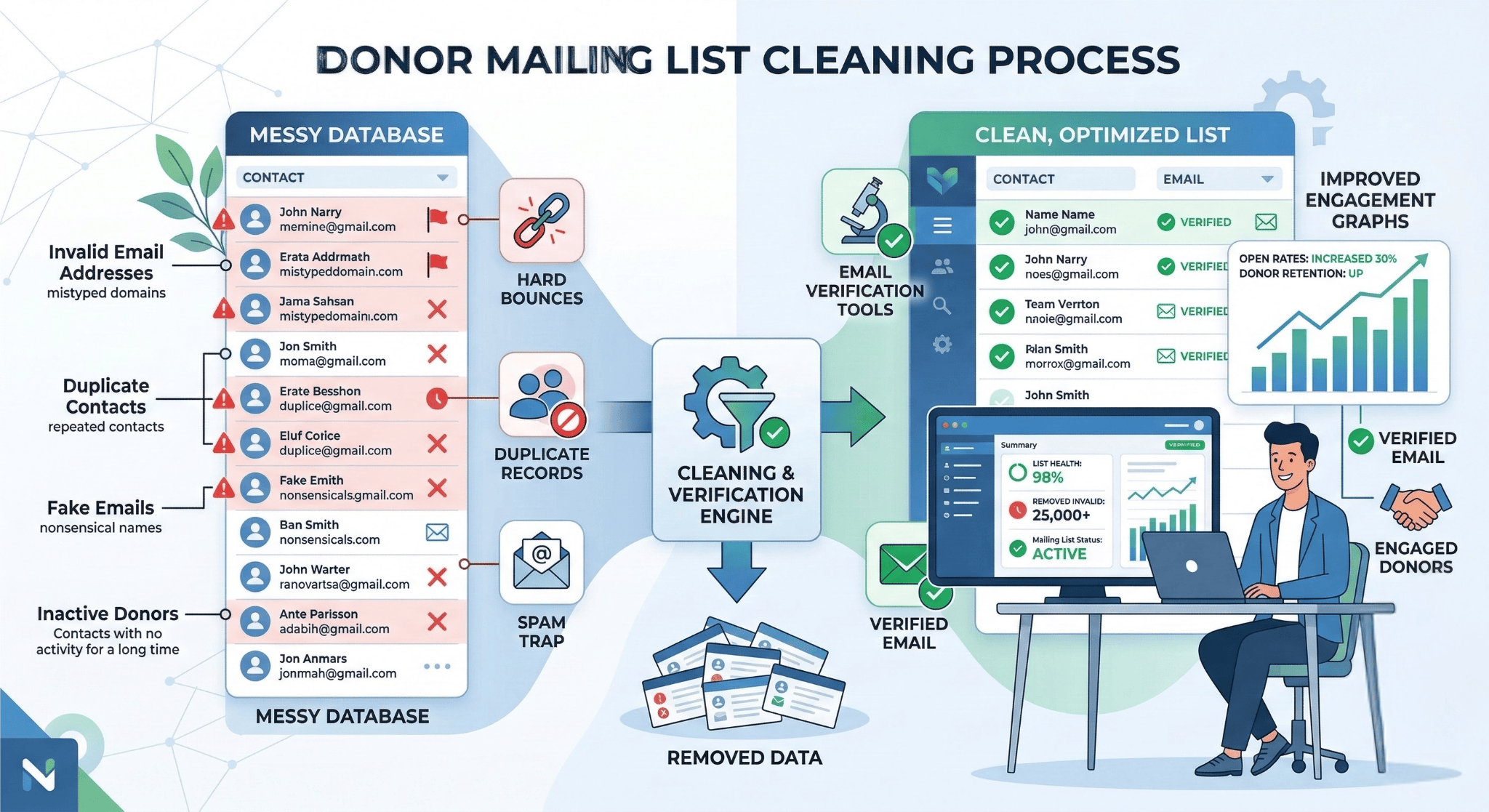
Maintaining a healthy donor mailing list requires regular attention to several key areas.
Identify and remove invalid data systematically. Invalid email addresses fall into several categories: hard bounces that will never work, fake addresses, duplicate entries, and generic addresses like info@ or admin@. Each type hurts your list quality in different ways. Hard bounces damage your sender reputation. Duplicates inflate your contact count artificially. Generic addresses rarely belong to actual decision-makers.
Email verification tools can scan your entire list and flag these problems automatically. Running your list through verification before major campaigns catches issues before they affect deliverability.
Audit your list on a regular schedule. Quarterly audits catch problems before they become serious. Look for patterns in bounces, complaints, and inactive contacts. If you’re seeing sudden spikes in any of these metrics, investigate immediately. Something in your process might be broken.
Handle inactive contacts strategically. Contacts who haven’t engaged in 6+ months hurt your overall engagement rates. But they’re not necessarily lost. A re-engagement campaign a “we miss you” email that offers value or asks for updated preferences can wake up dormant donors. Those who don’t respond should be removed. A smaller list of engaged contacts performs better than a large list full of ghosts.
Segment by engagement level. Not all contacts deserve the same treatment. Highly engaged donors might welcome weekly updates. Occasional donors might prefer monthly news. Contacts who rarely open emails might need less frequent communication or a different approach entirely. Segmentation lets you match your frequency to their interest level.
Best Practices for Keeping Data Current
Prevention is easier than cleanup. Building good habits keeps bad data from accumulating.
Use double opt-in for all new contacts. When someone joins your list, send a confirmation email requiring them to click a link to verify their address. This simple step catches typos, fake addresses, and temporary email addresses before they pollute your database. Yes, some people won’t complete the confirmation. That’s the point you only want people who actually want to hear from you.
Implement real-time validation on forms. Modern web forms can check email addresses as people type them. This catches obvious mistakes missing @ symbols, invalid domains, common typos before the form is even submitted. It’s a small technical addition that prevents countless bad entries.
Track and respect engagement patterns. Monitor who opens your emails, who clicks links, who donates. Use this data to create segments. Your most engaged donors might want more communication. Your least engaged might need a different approach or less frequency. Some might need to be removed entirely.
Update contact preferences regularly. People’s lives change. Someone who wanted weekly updates when they first donated might prefer monthly updates now. Someone on your email list might prefer physical mail, or vice versa. Asking for updated preferences annually keeps you aligned with what donors actually want.
Maintain clear records of how contacts joined your list. For every contact, you should be able to answer: When did they opt in? How did they opt in? Did they confirm their subscription? This documentation matters both for your own understanding and for compliance audits.
Best Practices for Staying Compliant
Privacy laws in 2026 aren’t suggestions. They’re requirements with real penalties.
Understand which laws apply to your organization. If you have donors in Europe, GDPR applies even if your organization is based elsewhere. California donors trigger CCPA requirements. Canadian donors fall under CASL. US-based fundraising requires CAN-SPAM compliance. Each law has specific requirements for consent, unsubscribe processes, and data handling.
Always obtain clear, documented consent. Consent means someone actively chose to join your list. It doesn’t mean you bought their address, scraped it from a website, or added them because they attended an event. True consent is explicit, documented, and verifiable. Keep records of when and how each person opted in.
Never purchase or rent email lists. This practice is tempting when you’re trying to grow quickly, but it’s a compliance nightmare. These contacts didn’t consent to hear from your specific organization. They’ll mark you as spam. Email providers will block you. And depending on which privacy laws apply, you could face significant fines.
Make unsubscribing simple and immediate. Every email needs a clear, working unsubscribe link. When someone clicks it, remove them from your list immediately not in 10 business days, not after one more campaign. Immediately. Any delay increases your complaint rate and risks violations.
Keep complaint rates under 0.1%. Email providers consider anything above 0.1% a red flag. If more than 1 in 1,000 recipients mark your email as spam, you have a serious problem. High complaint rates lead to deliverability issues and potential blacklisting.
Honor communication preferences across all channels. Some donors only want email. Others only want physical mail. Some want text messages, others explicitly don’t. Track these preferences carefully and respect them. Mailing someone who asked not to be mailed isn’t persistence it’s a violation of trust and potentially a legal violation.
Document your compliance efforts. Keep records of your list cleaning processes, consent documentation, and audit results. If you’re ever audited or face a complaint, this documentation proves you’re following best practices and attempting to comply with applicable laws.
Understanding Key Metrics
Knowing what to measure helps you spot problems early.
Bounce rate measures how many emails fail to deliver. Aim for under 2%. Anything higher indicates data quality problems. Hard bounces (permanent failures) are more serious than soft bounces (temporary issues).
Complaint rate tracks how many recipients mark your email as spam. Keep this under 0.1%. High complaint rates damage your sender reputation and can get you blacklisted.
Open rate shows what percentage of delivered emails get opened. Average varies by industry, but dropping open rates often indicate deliverability problems, content issues, or list fatigue.
Click rate measures engagement beyond opens. It tells you whether people find your content valuable enough to take action.
Unsubscribe rate shows how many people opt out after each campaign. A small, steady rate is normal. Sudden spikes indicate problems with content, frequency, or audience targeting.
These metrics work together to tell the story of your list health. Monitor them regularly to catch issues before they become serious.
The Bottom Line on List Maintenance
A clean donor mailing list isn’t just about following rules or hitting better metrics. It’s about respecting your donors, protecting your organization, and making your fundraising efforts actually work.
Organizations that treat their lists as valuable assets not just contact databases build stronger donor relationships, avoid legal trouble, and see better results from every campaign. The work of maintaining a clean list never ends, but the benefits compound over time.
In 2026, with stricter privacy laws, more sophisticated email filtering, and donors who expect organizations to respect their preferences, there’s no shortcut around proper list maintenance. The organizations that understand this are the ones succeeding.
Need help building and maintaining a compliant, high-quality donor mailing list? Prospects Influential specializes in providing clean, verified mailing lists for nonprofits and organizations. Reach out to learn how we can help you connect with the right donors.