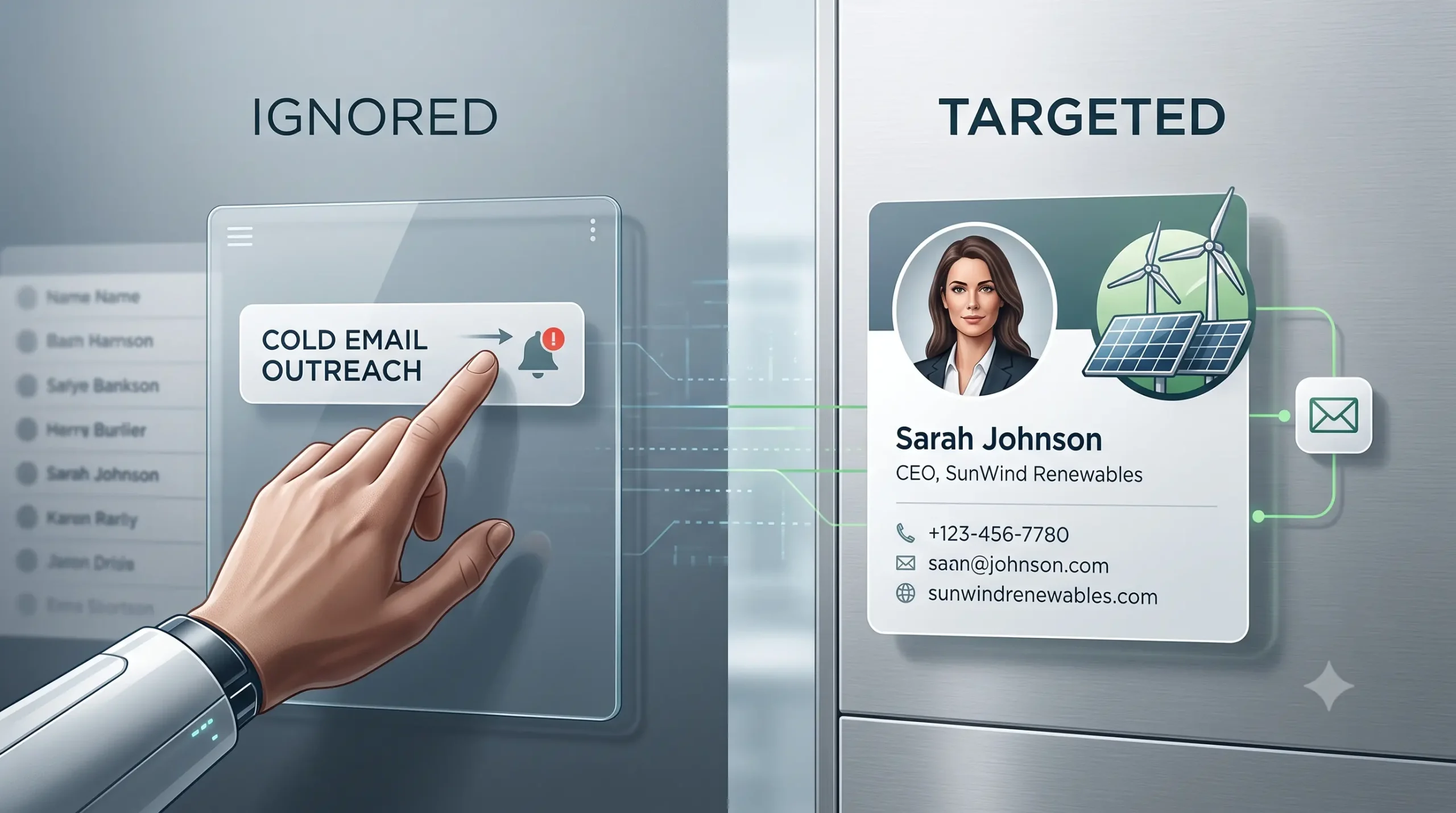
Ask any outbound community, from r/sales threads to LinkedIn posts by SDR leaders, what kills a campaign fastest, and you get the same answer: bad data. Not weak copy. Not the wrong subject line. A list that looked complete on a spreadsheet and fell apart the moment the campaign went live.
Marketers know this, which is why searches like “ethical ways to find professional contact information” and “how to verify a professional profile” keep climbing. Finding contact data stopped being the hard part years ago. Knowing whether that data is real, current, and usable is the question that matters in 2026.
This guide explains what verification actually means, why public records alone fall short, what practitioners are reporting about unverified data in the field, and what to ask any provider before you commit budget to a list.
Does “Public Source” Mean the Data Is Verified?
No. A public record confirms that information was accurate at the moment someone captured it, nothing more.
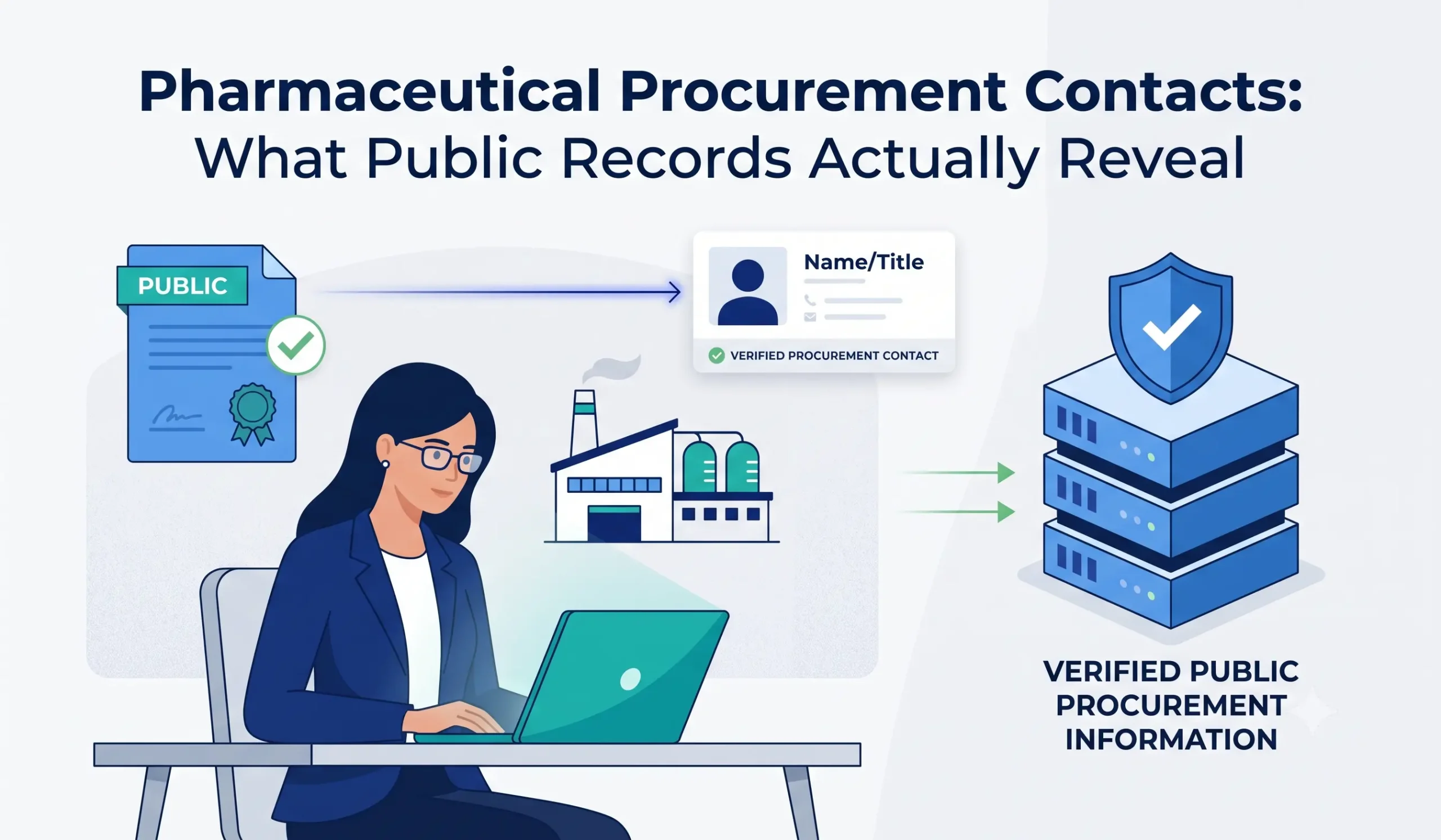
Business registrations, directory listings, and public filings are legitimate starting points for building a contact universe. They are also snapshots. The person may have changed roles, the company may have moved, and the phone number may have been reassigned since the record was last touched.
Industry benchmarks put B2B contact data decay at roughly 2 to 2.5 percent per month, which compounds to more than 20 percent of a file going stale within a year. A record pulled from a public source six months ago has already drifted, even if nothing about it looks wrong.
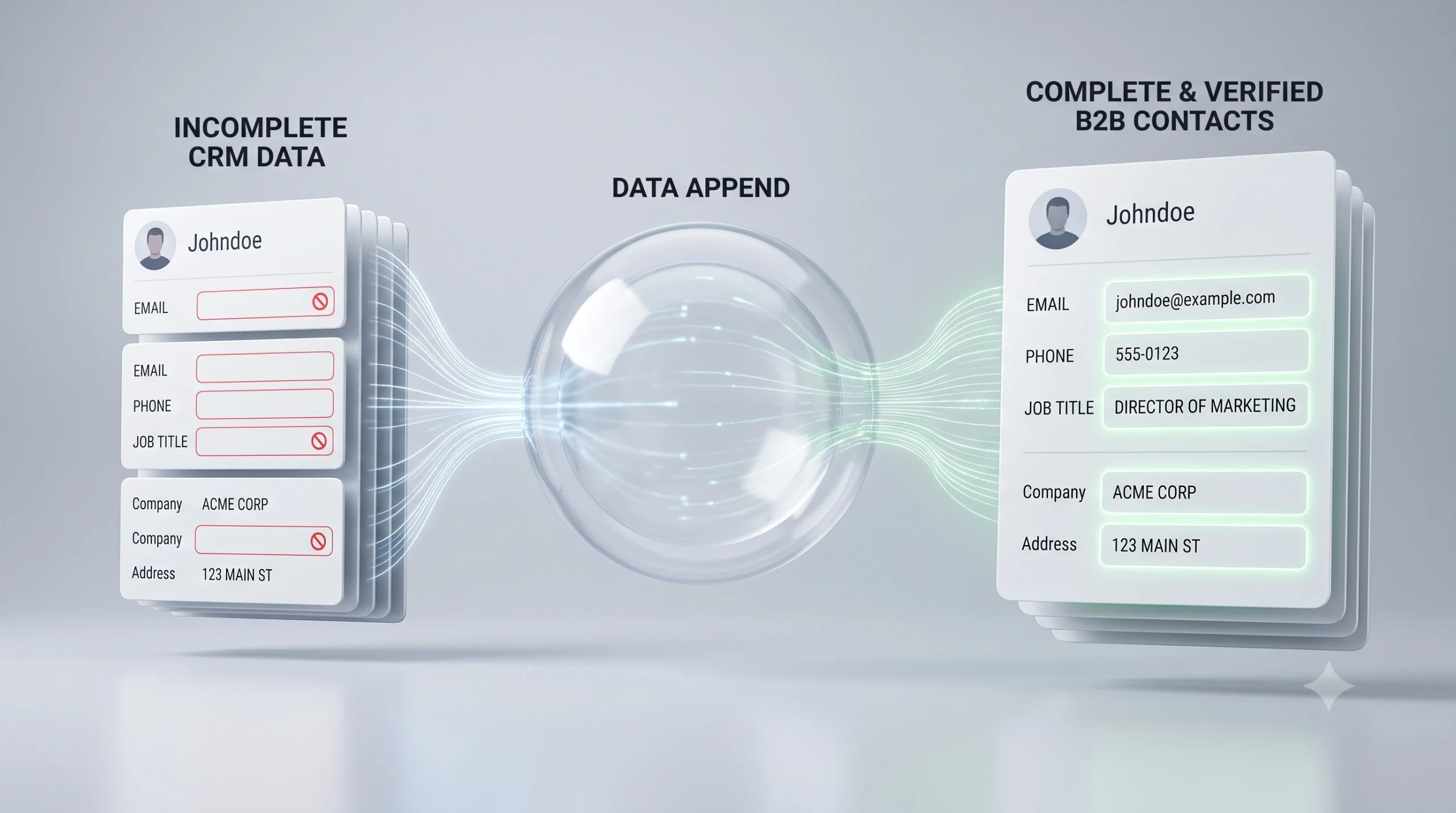
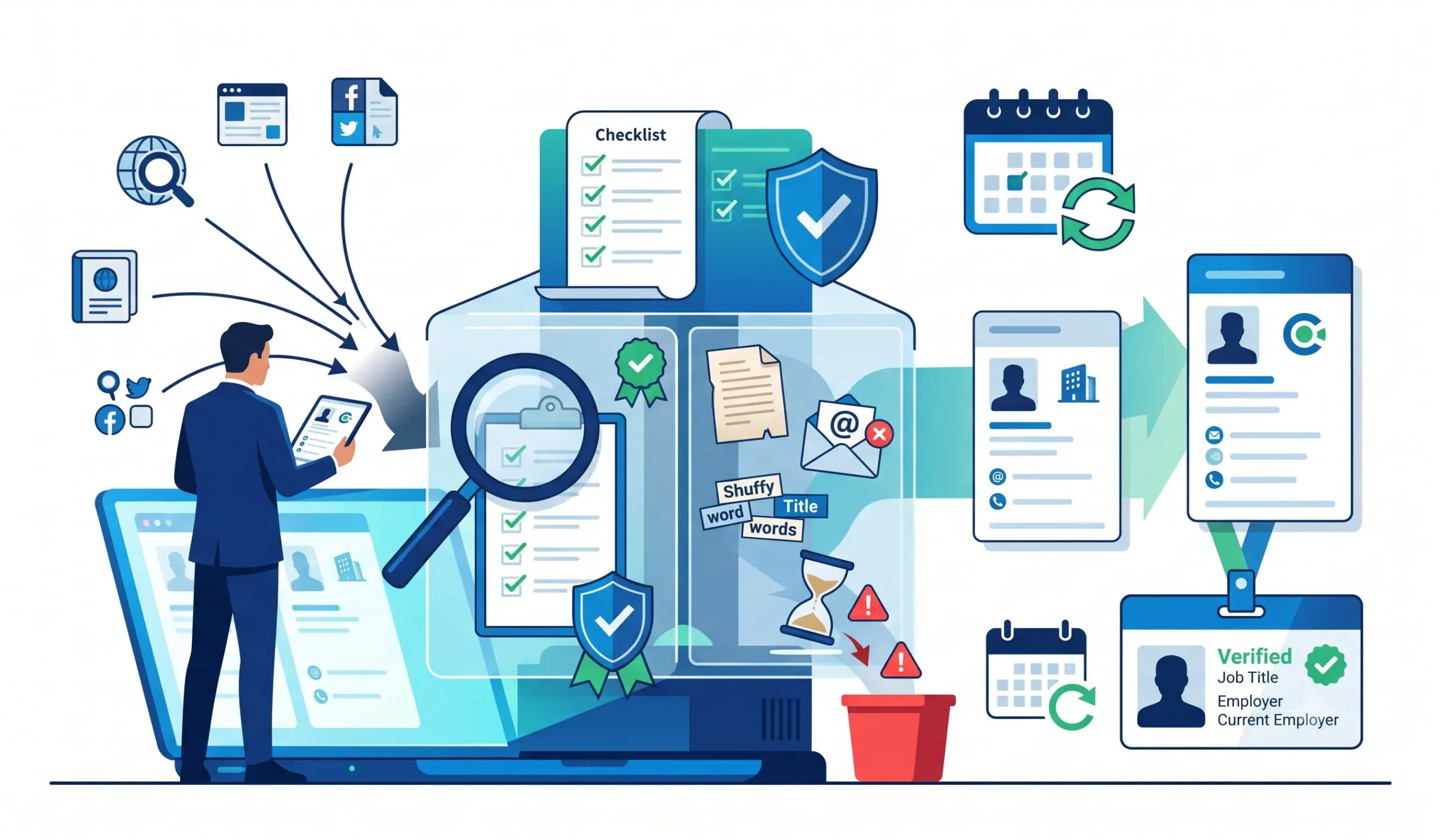
Verification means comparing a record against additional, independent sources before it enters a live campaign. When a name, title, phone number, or email appears consistently across several sources, that consistency signals reliability. When it appears in only one place, it deserves a second look before you spend a call or a send on it.
What Happens When Marketers Skip Verification?
The outbound community has documented this in detail, and the numbers are worse than most buyers expect.
Users of large self-serve contact databases consistently report real-world bounce rates of 15 to 30 percent on purchased data, even from platforms marketed as “verified.” One widely discussed finding: when a major database applied its own verified-email filter, the usable file shrank by roughly 65 percent. The headline number was 275 million contacts. The verified number was 96 million.
The lesson practitioners keep repeating is that database size means nothing. Verified-at-the-point-of-use is the only number that matters.
The damage compounds, too. Mailbox providers track your bounce rate as a core reputation signal. Send one campaign to a 20 percent invalid list and your next campaign, sent to a perfectly clean list, lands in spam anyway. Unverified data does not just waste one campaign. It taxes every campaign that follows.
What Are the Three Layers of Verification Worth Asking About?
Any provider claiming verified data should be able to speak to all three of these layers, not just one.
1. Source diversity
A single-source list, no matter how large, carries more risk than a list compiled from several independent inputs cross-checked against one another. Experienced buyers now layer two or three sources and treat cross-checking as standard practice, because every source has gaps. Ask any provider how many distinct sources contributed to the record you are buying, not how many total records sit in their system.
2. Recency and refresh cycle
Contact data decays continuously. People change jobs, companies merge, area codes get reassigned. At a 2 percent monthly decay rate, a file refreshed quarterly carries 6 percent stale records by the time the next refresh arrives. A responsible provider can tell you when the segment you are buying was last refreshed and how often it gets reviewed.
3. Role and employment confirmation
For B2B contacts, confirming that a person still holds the title on their record matters as much as confirming the email format is correct. Outbound teams that run a quick current-employer-and-title check before sequencing report that it removes 15 to 25 percent of low-quality leads from a typical file. That is a quarter of a purchased list, gone, on the single dimension most providers never confirm. A technically valid email attached to someone who left the company eighteen months ago is not a usable contact, even though it passes every syntax check.
What Does Ethical Sourcing Actually Look Like?
“Ethical” in this context is a practical standard, not a marketing buzzword.
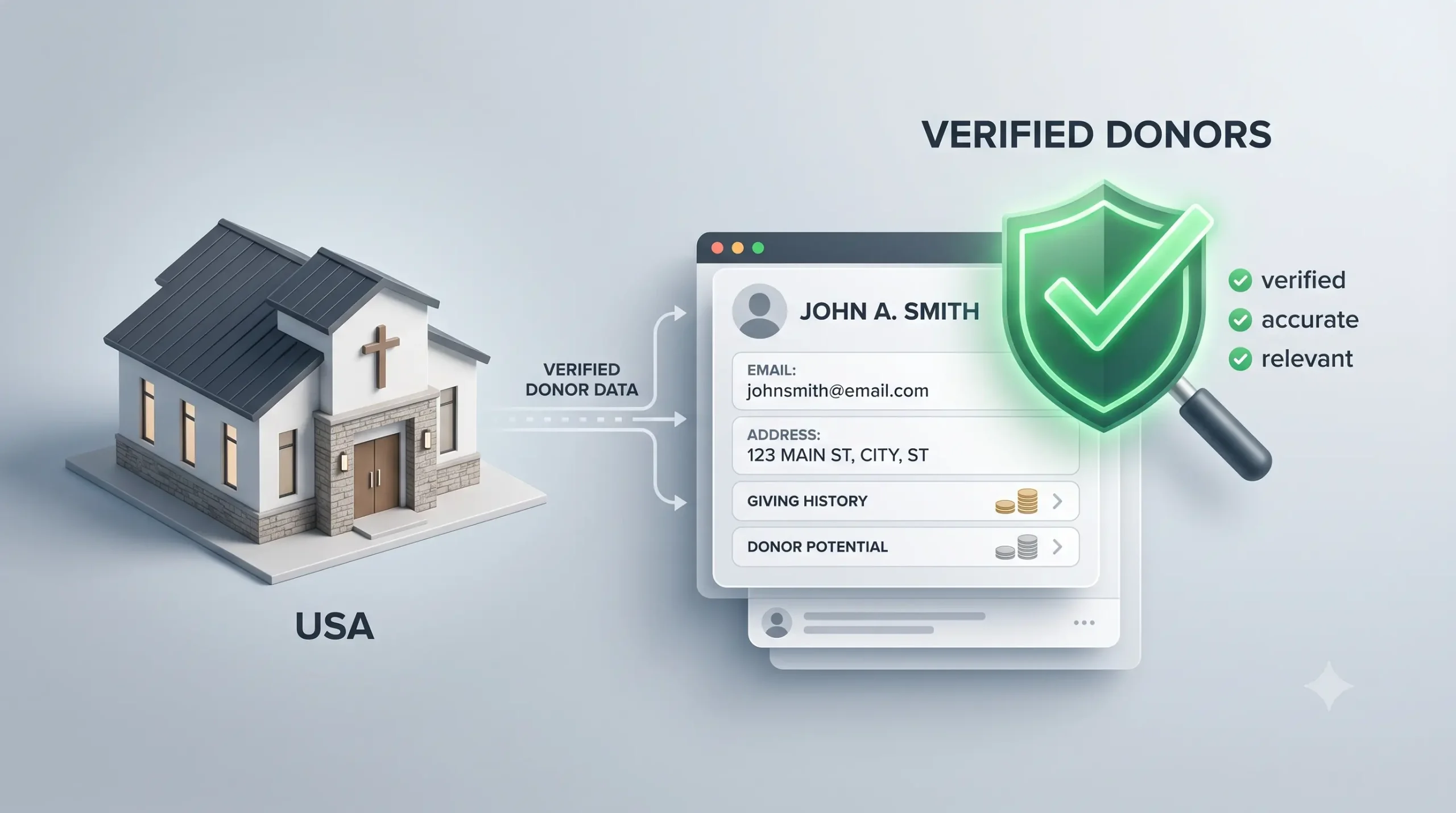
Ethically sourced contact data meets three tests. The information was collected through permissible means: business directories, professional associations, opt-in registrations, or public filings. The individual has a reasonable expectation that their business contact information could be used for professional outreach. And the provider can explain, in plain language, where a given record came from if asked.
This standard matters for two reasons. Canadian marketers operate under CASL’s rules for implied and express consent on commercial electronic messages, and the sourcing method determines which consent basis applies. Recipients themselves have also become more attentive to how their information reaches a stranger’s outreach list.
A campaign built on transparent, explainable sourcing is easier to defend if a recipient asks how you got their details. It also tends to perform better, because the underlying data is more accurate in the first place.
What Are the Red Flags of an Unverified List?
Vendor evaluation guides across the industry agree on the first test: ask where the data comes from. If the provider is vague or dodges the question, walk away. Source opacity is the single most cited red flag among buyers who vet data vendors professionally.
A few other patterns show up when a list has not been properly verified.
Suspiciously identical counts across many different industry segments often indicate the data was generated rather than compiled from real records. Job titles that do not match the seniority of the segment, such as a “CEO” list padded with junior roles, suggest the title field was never confirmed. And a database that advertises an enormous headline number but cannot tell you what portion is verified is quoting you the wrong number entirely.
None of these red flags relate to the size of the provider or the price of the list. They relate to whether the verification work happened before the file reached you.
What Questions Should You Ask Before Buying a List?
Run through five questions before committing budget, whether you are vetting a broker or reviewing your own internal sourcing process.
Does the provider verify records against more than one independent source? Can they tell you approximately when the segment you are buying was last refreshed? Do they confirm employment and title, not just contact format, for business contacts? Can they explain their sourcing methodology in terms you can repeat to a compliance officer? And does the list come segmented tightly enough that you are not paying for irrelevant contacts mixed in with the ones you need?
If a provider hesitates on more than one of these, treat that as useful information, not an inconvenience.
How Does Verification Differ Between B2B and Consumer Contacts?
The verification standard shifts depending on the contact type, and treating the two identically causes most of the confusion buyers run into.
For B2B contacts, employment and role confirmation is the priority layer. B2B outreach depends on reaching the right role, not just a technically valid inbox, so verification should confirm current employer, current title, and where possible, department or function.
For consumer contacts, verification centers on source legitimacy and consent basis. A consumer record sourced from a public directory carries different implications than one sourced from an opt-in registration. The two are not interchangeable when it comes to which communications you can legally send, and knowing which category a record falls into matters as much as confirming the phone number or address is current.
How Does Verification Change by Channel?
Each channel puts pressure on a different part of the record.
For email, the priority is confirming the address is technically valid and attached to a real, currently active recipient, because bounces damage sender reputation for every future campaign, not just the current one. One practitioner detail worth adopting: verification tools sometimes return “unknown” results due to server timeouts or strict security settings. Do not treat unknowns as valid. Quarantine them and test with low-volume sends before including them in a major campaign.
For telemarketing, verification must confirm the number still belongs to the intended contact and has been checked against do-not-call registries close to the campaign date, not weeks in advance.
For direct mail, verification centers on address currency and deliverability. A piece sent to an outdated address is wasted budget rather than actively harmful, but at scale the waste adds up fast.
Why Is Verification Ongoing Rather Than One-Time?
Because decay never stops. At roughly 2 percent per month, a list that passed thorough verification six months ago has already shed more than a tenth of its accuracy.
Campaigns that run over an extended period, and lists reused across multiple campaigns, benefit from a provider who treats verification as a discipline applied at the point of each use, rather than a certification stamped on a file once and never revisited.
Why Do Custom-Prepared Lists Solve This More Reliably Than Self-Sourcing?
Compiling and verifying contact data from public sources consumes real time even for one small campaign. Doing it consistently across multiple industries, titles, and regions is where internal teams break down, and it is the core reason list brokers exist.
A broker maintains ongoing relationships with multiple data sources, runs standing verification processes, and applies those processes to a custom-built list rather than a generic, one-size-fits-all file.
At Prospects Influential, lists are prepared to your specific criteria: industry, geography, company size, title, and channel. Because the list is built around your requirements rather than resold as-is, the verification work applies directly to the segment you need instead of being diluted across a broader, less relevant file. Preparation typically takes one to two business days once your criteria are confirmed. Once delivered, your list can be used as many times as your campaign requires, with no cap on usage.
Bringing It Together
The growing volume of searches about ethically sourcing and verifying professional contact information reflects a real shift. Marketers have learned, often through a bad bounce report, that not all contact data is created equal, and they want a way to tell the difference before spending a campaign to find out.
The checklist above gives you that starting point. Ask about source diversity, refresh cycles, and role confirmation. Watch for opacity. Treat verification as ongoing. And remember that the community consensus across Reddit threads, LinkedIn posts, and independent testing all points the same direction: a smaller, verified, well-targeted list outperforms a massive unverified one on every metric that matters.
If you would rather skip the sourcing and verification work entirely, get in touch with Prospects Influential to discuss a custom-prepared, well-sourced list for your next campaign. You can also review our guide to finding email addresses and phone numbers for more detail on sourcing methods, or explore our business opt-in email lists to see how a properly verified list is structured.