Every industry faces the same marketing challenge. You need to reach the right people with the right message at the right time. But finding those people requires access to quality data, and quality data isn’t easy to come by.
This is where mailing list brokers become essential partners for businesses across dozens of industries. From healthcare organizations reaching patients to financial advisors connecting with retirees, brokers provide the targeted contact data that makes direct marketing campaigns successful.
Understanding how different industries use list brokers reveals the versatility of direct marketing and shows why working with experienced professionals delivers better results than going it alone.
Healthcare and Medical Services
Healthcare organizations represent some of the most active users of list brokers because reaching specific patient populations requires precise targeting that general advertising cannot achieve.
Hospitals use direct mailing lists to promote specialized services like cardiac care centers, cancer treatment programs, and orthopedic surgery departments. They target households within their service area filtered by age, income, and health indicators that suggest potential need for these services.
Medical device companies reach healthcare providers through business lists targeting physicians by specialty. A company selling knee replacement implants needs orthopedic surgeons. A diagnostic equipment manufacturer needs hospital administrators and lab directors.
Home healthcare agencies target seniors and their adult children who make care decisions. Medicare supplement insurance providers reach consumers turning 65 when enrollment windows open. Medical alert system companies connect with elderly homeowners living alone.
Pharmaceutical companies use physician lists for drug detailing campaigns and patient lists for disease awareness programs. Dental practices mail to households with children for pediatric services and to adults for cosmetic dentistry.
The healthcare industry requires strict compliance with privacy regulations. Experienced brokers understand HIPAA limitations and provide lists that meet legal requirements while still enabling effective outreach.
Financial Services and Insurance
Financial services companies depend heavily on mailing list brokers because their products target specific life stages and financial situations that require precise demographic filtering.
Retirement planning advisors need access to pre-retirees ages 55 to 64 with substantial investable assets. Wealth management firms target high-net-worth households. Estate planning attorneys reach seniors with significant property holdings.
Insurance companies use lists extensively across multiple product lines. Life insurance providers target new parents, homeowners with mortgages, and business owners needing key person coverage. Long-term care insurance companies reach consumers ages 50 to 65 before health issues make coverage unaffordable.
Mortgage lenders target homeowners for refinancing based on property values, loan amounts, and interest rate environments. Reverse mortgage companies reach homeowners age 62 and older with significant home equity.
Credit card companies mail pre-approved offers to consumers meeting specific credit score ranges. Personal loan providers target consumers with existing debt who might benefit from consolidation.
The financial industry benefits from multi-channel lists that combine direct mail with telemarketing follow-up. A mailed offer followed by a phone call dramatically increases response rates for high-value financial products.
Real Estate and Property Services
Real estate professionals use list brokers to reach both buyers and sellers at critical decision points.
Residential real estate agents target homeowners in specific neighborhoods for listing prospecting. They filter by length of residence, home value, and equity position to identify likely sellers. They also reach renters with income levels suggesting readiness for homeownership.
Commercial real estate brokers use business lists to identify companies that might need office space, warehouse facilities, or retail locations. They target by employee count, revenue, and lease expiration dates.
Property management companies reach landlords with multiple rental properties. Home warranty companies target recent home buyers. Moving companies mail to households showing signs of relocation.
Home improvement contractors use geographic targeting combined with home age and value filters. A roofing company targets homes over 15 years old. A kitchen remodeling company targets higher-value homes where owners can afford upgrades.
Senior living communities use consumer lists with age and income filters to reach potential residents and their adult children who influence decisions.
Nonprofit Organizations and Fundraising
Nonprofits rely on list brokers to expand their donor bases beyond existing supporters. Acquiring new donors through direct mail remains one of the most effective fundraising strategies.
Charitable organizations use donor lists showing people who’ve given to similar causes. An animal welfare charity targets people who’ve donated to other animal causes. An environmental group reaches donors to conservation organizations.
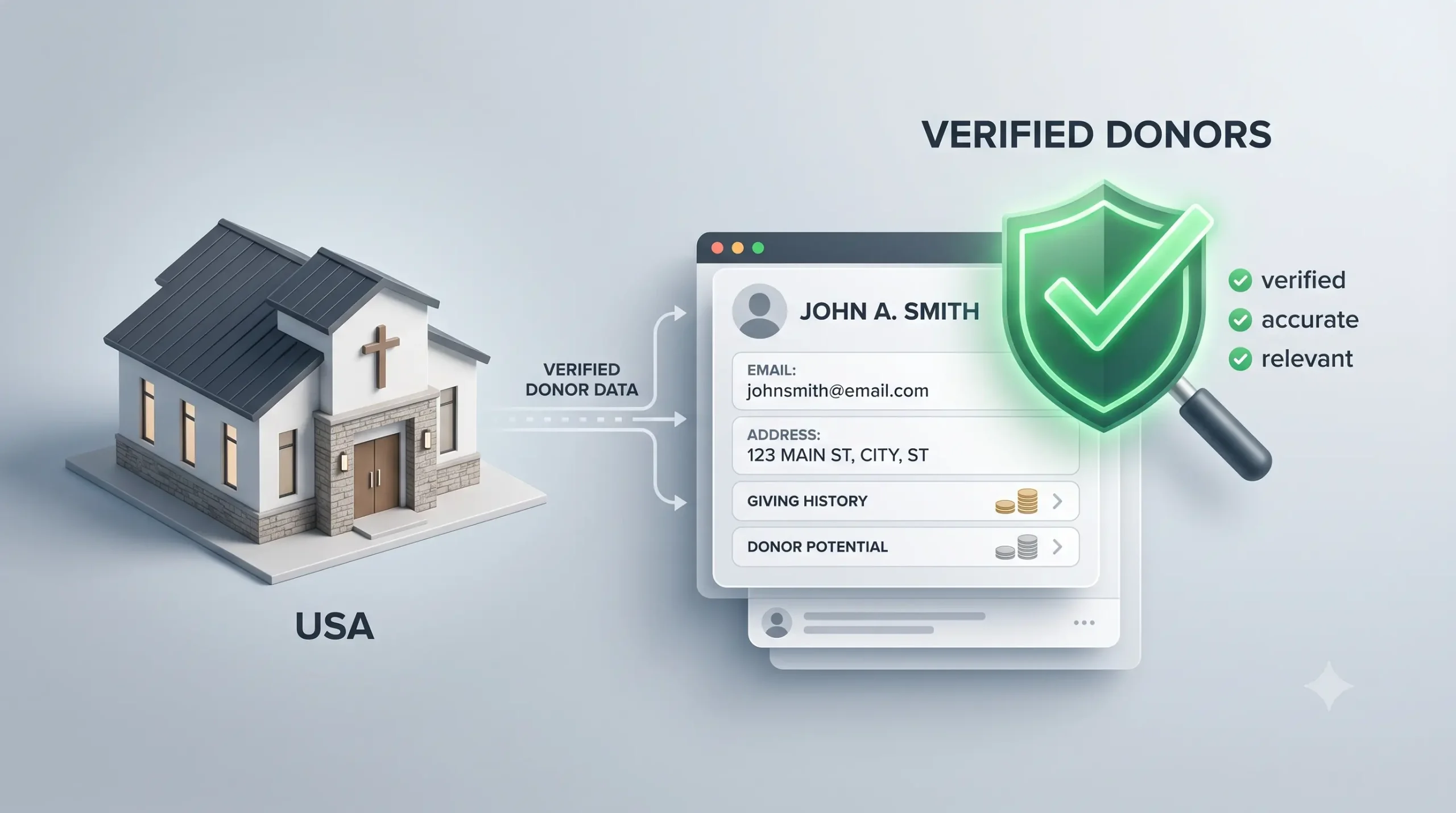
Religious organizations use specialty lists filtered by faith affiliation to reach potential supporters who share their values. Churches expanding their congregations mail to households within driving distance matching their denomination.
Political campaigns and advocacy groups use voter file data enhanced with demographic overlays to reach supporters likely to donate or volunteer. They target by party registration, voting history, and issue positions.
Educational institutions reach alumni for annual fund campaigns and prospective students for enrollment marketing. Hospitals mail to grateful patients for foundation fundraising.
The nonprofit sector particularly benefits from response list rentals showing proven donors. People who’ve responded to direct mail appeals before are far more likely to respond again than cold prospects.
Retail and Consumer Products
Retailers use mailing list brokers to reach consumers whose purchasing behaviors and demographics match their ideal customer profiles.
Catalog retailers mail to consumers who’ve purchased from similar catalogs. A clothing retailer targets people who’ve bought from fashion catalogs. A home goods company reaches consumers who’ve purchased housewares through direct mail.
Subscription box companies target consumers interested in specific product categories. A gourmet food subscription reaches food enthusiasts. A beauty box company targets women who purchase cosmetics.
Automotive dealers use geographic targeting combined with vehicle ownership data. A luxury dealer targets households with high incomes driving competitors’ vehicles. A used car dealer reaches consumers with older vehicles likely ready for replacement.
Jewelry stores target consumers approaching anniversaries, engagements, and milestone birthdays. Furniture stores reach recent home buyers and consumers who’ve moved.
E-commerce companies use opt-in email lists to reach consumers who’ve agreed to receive promotional messages in specific product categories.
Business-to-Business Marketing
B2B companies face unique targeting challenges because they need to reach specific decision-makers within organizations, not just companies generally.
Technology companies use business lists filtered by company size, industry, and technology infrastructure. A cloud software provider targets companies using legacy systems. A cybersecurity firm reaches IT directors at companies above certain revenue thresholds.
Professional services firms target companies that might need their expertise. Accounting firms reach growing businesses without in-house finance departments. HR consulting firms target companies with employee counts suggesting need for professional HR support.
Manufacturing suppliers reach purchasing managers and engineers at companies in their target industries. A raw materials supplier needs manufacturers using their materials. An equipment vendor targets production managers.
Office supply companies use telemarketing lists to reach office managers and administrative staff who make purchasing decisions. Commercial cleaning services target facility managers.
Trade show organizers mail to executives in industries relevant to their events. Industry publications reach professionals for subscription campaigns.
Travel and Hospitality
Travel companies target consumers based on travel behaviors, income levels, and lifestyle interests.
Cruise lines use mailing list brokers to reach past cruisers from competitor lines and consumers with demographics suggesting cruise interest. They target by age, income, and geographic location relative to departure ports.
Resorts and hotels reach travelers who’ve booked similar accommodations. A luxury resort targets high-income households who’ve stayed at competing properties. A family resort reaches households with children.
Tour operators target travelers interested in specific destinations or travel styles. An adventure travel company reaches outdoor enthusiasts. A cultural tour operator targets educated consumers interested in history and arts.
Timeshare companies target vacationers with income and travel patterns suggesting they might benefit from vacation ownership. Airlines reach frequent travelers for loyalty program enrollment.
Travel agencies targeting seniors use consumer lists filtered by age, income, and travel interest indicators. Group travel companies reach consumers who prefer organized tours.
Education and Training
Educational institutions and training companies target prospective students based on career goals, educational background, and demographics.
Colleges and universities use lists to reach high school students for undergraduate recruitment and working adults for graduate programs. They filter by academic performance, geographic location, and intended major.
Vocational schools target young adults and career changers interested in specific trades. A nursing school reaches people working in healthcare support roles. A technical college targets people in manufacturing jobs.
Professional development companies reach executives and managers for leadership training programs. Certification prep courses target professionals in fields requiring credentials.
Online course providers use opt-in email lists to reach learners interested in specific subjects. Language learning programs target travelers and professionals needing foreign language skills.
Test preparation companies reach students and parents during specific grade levels when standardized testing becomes relevant.
Why Industries Choose List Brokers Over DIY Approaches
Every industry mentioned above could theoretically try to build their own prospect databases. But the reasons they work with list brokers instead are consistent across sectors.
Access to multiple sources allows brokers to recommend the best list for each specific campaign rather than forcing clients to accept whatever single source they could find themselves.
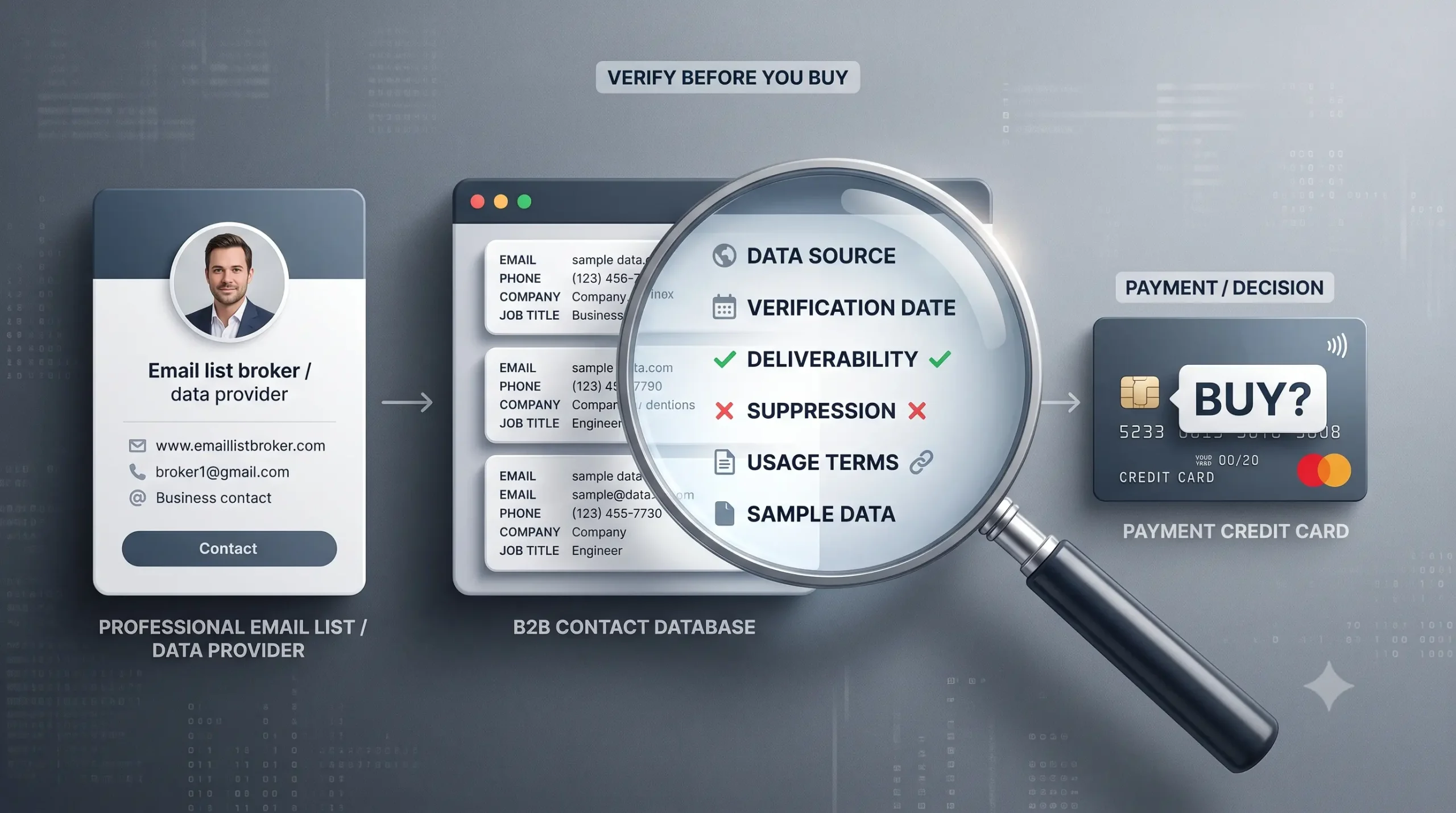
Compliance expertise protects companies from costly mistakes. Brokers understand industry-specific regulations from HIPAA in healthcare to TCPA in telemarketing to CAN-SPAM in email marketing.
Testing intelligence from thousands of campaigns helps clients avoid lists that look good but perform poorly. Brokers track results across clients and drop underperforming sources.
Cost efficiency comes from brokers spreading validation, verification, and compliance costs across many clients rather than each company bearing those expenses individually.
Finding the Right Lists for Your Industry
Whatever industry you operate in, reaching the right prospects requires quality data matched to your specific targeting needs.
Mailing list brokers bring decades of experience working across industries. They understand what works for healthcare versus financial services versus nonprofit fundraising. They know which list sources excel for different applications.
Browse our popular lists to see targeting options across business, consumer, and specialty categories. Or contact our team to discuss your industry-specific campaign goals. We’ll recommend the lists that match your target audience and help you plan campaigns that deliver results.