Effective major gift fundraising begins long before the first call or email. Prospect research is the foundation that ensures your efforts are strategic, personalized, and aligned with donor interests. By combining data-driven insights, ethical research practices, and relationship intelligence, nonprofits can identify high-potential donors and maximize the impact of every cultivation effort.
This guide explores tools, techniques, and practical tips for prospect research, offering a global perspective on identifying and qualifying major gift prospects in today’s philanthropic landscape.
1. Why Prospect Research Matters
Identifying the right donors is more than a numbers game it’s about understanding capacity, affinity, and propensity to give. Prospect research allows nonprofits to:
- Focus efforts on donors most likely to contribute major gifts.
- Personalize communication and engagement strategies.
- Reduce wasted time and resources on unqualified prospects.
- Maintain ethical and compliant data practices while building trust.
Globally, major gift success rates correlate strongly with structured prospect research. Organizations that rely solely on intuition or generic lists often miss opportunities for high-value, long-term support.
2. Core Elements of Prospect Research
- Financial Capacity
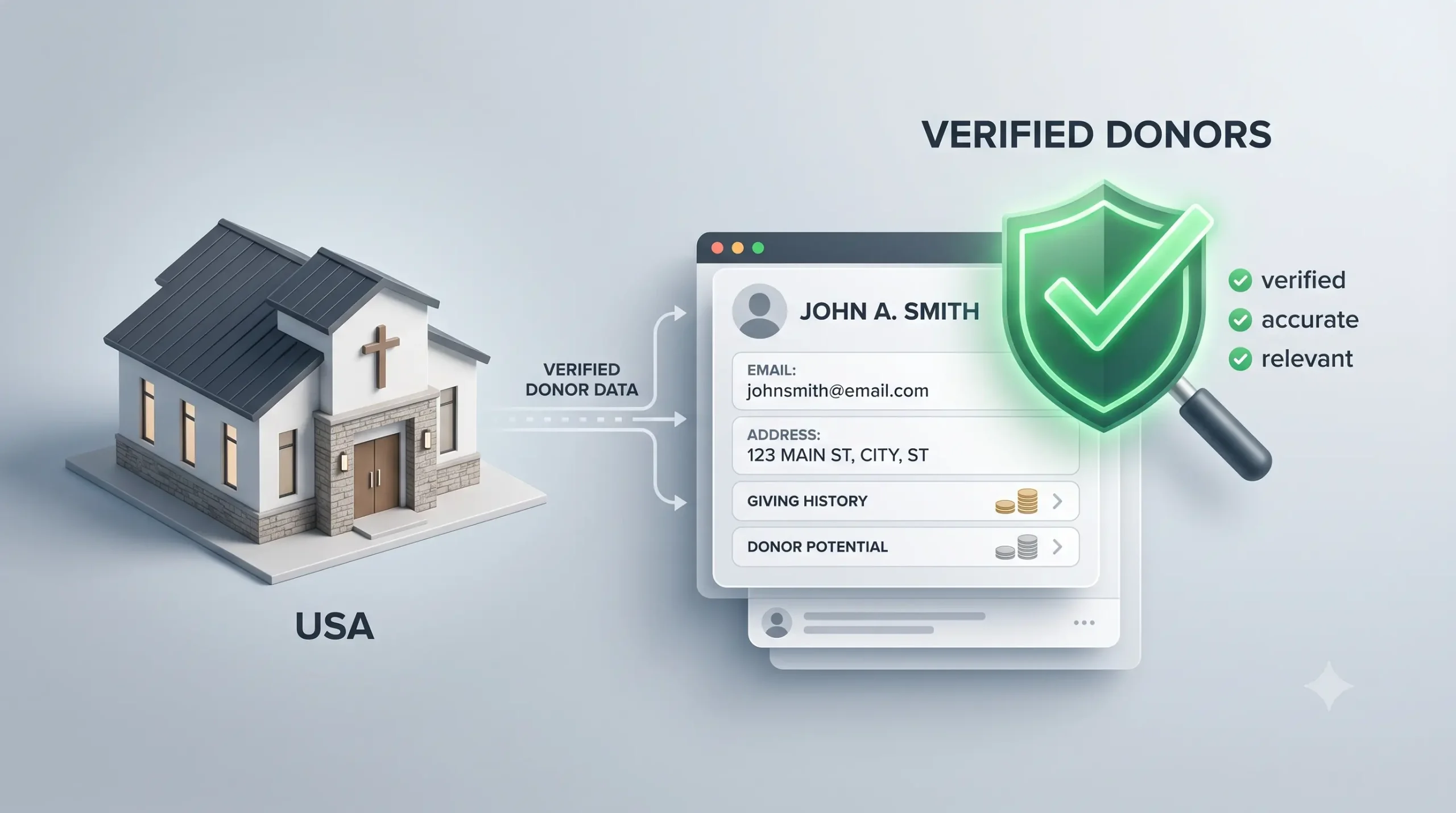
Understanding a donor’s financial ability to give is essential. Publicly available resources, such as real estate ownership, business holdings, stock portfolios, and philanthropic history, provide insights into giving potential. Wealth screening platforms like iWave, WealthEngine, and DonorSearch streamline this process. Additionally, working with curated affluent donor lists that include verified wealth indicators and proven charitable giving history can accelerate your prospect identification efforts. - Affinity and Engagement
Capacity alone is insufficient; a donor must also care about your mission. Track engagement history through event attendance, volunteering, advocacy participation, or past donations. Behavioral indicators often reveal who is emotionally invested in your cause. - Propensity to Give
Analyze giving patterns, both to your organization and similar nonprofits. Donors with a history of large or consistent gifts demonstrate a higher likelihood of making a major contribution. Combining financial capacity with giving propensity helps prioritize outreach efficiently. Segmented charity donor lists that include detailed giving history by cause category help you identify prospects with demonstrated affinity for missions similar to yours, improving your qualification accuracy. - Access
Knowing who can influence or introduce a prospect is key. Board members, volunteers, and other donors may provide warm introductions, increasing the likelihood of meaningful engagement.
3. Techniques for Effective Prospect Research
1. Internal Data Analysis
Begin with your current donor database. Segment mid-level donors who have shown consistent giving and analyze patterns such as frequency, donation size, and engagement level. To expand your prospect pool beyond internal data, consider supplementing with targeted nonprofit donor lists that include behavioral segmentation and giving history, allowing you to identify look-alike prospects who match your best donors’ profiless.
2. Public Records and Philanthropic Databases
Review IRS filings, corporate reports, charitable foundations’ annual disclosures, and public philanthropic news. This research reveals prior donations, board memberships, and community involvement. Remember to comply with privacy laws like GDPR, CCPA, and other relevant regulations.
3. Online Presence and Social Media
Social media profiles, LinkedIn, and professional websites provide insights into donor interests, affiliations, and networks. Use these insights to craft personalized engagement strategies that resonate with their values and priorities.
4. Wealth Screening Tools
Wealth screening services aggregate publicly available data, offering indicators of capacity and giving history. While helpful, these tools should augment, not replace, qualitative relationship insights. Ethical use is critical ensure donor consent and transparency about how their data is used.
5. Peer-to-Peer Networks
Board members, volunteers, and existing major donors are invaluable resources. Peer recommendations or warm introductions often open doors that cold outreach cannot. Cultivate these networks with regular updates, engagement opportunities, and invitations to participate in strategic conversations.
4. Building a Research Process
Effective prospect research is systematic, not ad hoc. A structured process might include:
- Prospect Identification – Generate an initial list using internal data and wealth screening.
- Prioritization – Score prospects using a combination of capacity, affinity, and propensity.
- Qualification – Validate financial capacity, interest in your cause, and willingness to engage.
- Portfolio Development – Assign prospects to fundraisers or teams, and establish engagement plans.
- Continuous Monitoring – Update prospect profiles with new data, engagement history, or changes in capacity.
This cyclical process ensures your pipeline stays dynamic and actionable, with high-quality prospects continuously identified and cultivated.
5. Ethics and Compliance in Prospect Research
Prospect research must be conducted responsibly. Organizations should:
- Collect only publicly available or donor-consented information.
- Respect privacy preferences and data protection laws.
- Avoid assumptions or judgments based solely on wealth indicators.
- Maintain accurate records to ensure transparency and accountability.
Adhering to ethical standards, such as those promoted by AFP or CFRE, builds trust with both donors and staff, reinforcing the credibility of your major gift program.
6. Leveraging Technology for Research Efficiency
Modern prospect research tools integrate analytics, social data, and engagement tracking to streamline the identification and qualification process. Some effective approaches include:
- Predictive Analytics – Identifying donors with high likelihood of giving major gifts based on historical patterns.
- Automated Alerts – Receiving notifications about life events, new positions, or public engagements that may signal giving readiness.
- Portfolio Dashboards – Visualizing donor status, engagement history, and upcoming action items for fundraising teams.
These tools allow fundraisers to focus time on relationship-building, rather than manual data collection.
7. Global Considerations for Prospect Research
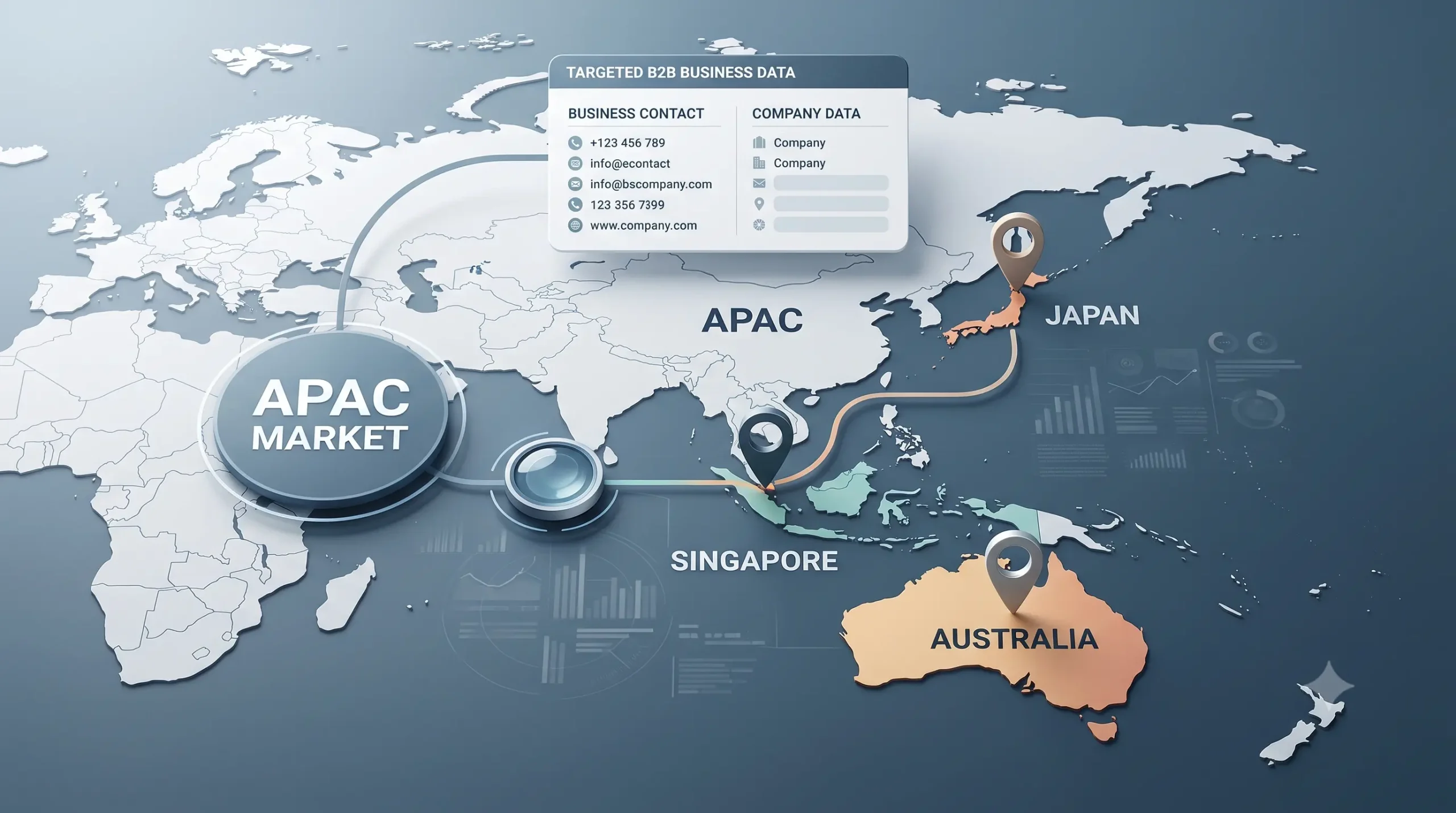
International philanthropy introduces complexity. Donors across countries may have different giving norms, tax considerations, and cultural expectations. Best practices include:
- Researching tax benefits and incentives for cross-border gifts.
- Adapting engagement strategies to local cultural norms.
- Collaborating with legal and compliance experts to ensure all data handling aligns with local regulations.
Nonprofits that successfully navigate these factors can identify high-capacity donors worldwide, expanding their fundraising potential significantly.
8. Practical Tips for Fundraisers
- Start small: focus on your top 10–20% of prospects who likely contribute 80% of major gifts.
- Combine qualitative and quantitative insights numbers alone don’t tell the full story.
- Keep prospect profiles updated relationships evolve, and timely information is crucial.
- Train your team on ethical research practices to ensure consistency and integrity.
- Integrate findings with your donor cultivation plan to personalize outreach effectively.
9. Conclusion
Prospect research is both a science and an art. By combining data, relationship intelligence, and ethical standards, nonprofits can identify, qualify, and prioritize major gift prospects with confidence. Effective research lays the groundwork for successful cultivation, solicitation, and stewardship, ensuring that every engagement is strategic, informed, and respectful. Once you’ve identified and qualified your prospects through thorough research, learn how to build meaningful relationships with our guide to major donor cultivation strategies that turn prospects into committed partners.
Globally minded, compliant, and methodical prospect research empowers organizations to make smarter decisions, strengthen donor relationships, and maximize philanthropic impact. When done right, it transforms major gift fundraising from guesswork into a sustainable, high-impact strategy.