Establishing a major gifts program from the ground up can seem like an overwhelming challenge, especially for small and mid-sized nonprofits. Yet, when approached strategically, it can transform your organization’s fundraising potential and build long-term donor relationships that fuel sustainable growth.
A well-structured major gifts program is not just about securing large contributions; it’s about building trust, alignment, and lasting partnership between your mission and those with the capacity and passion to elevate it. This guide explores the process of building a successful major gifts program from foundational planning to execution with insights, global considerations, and compliance best practices.
1. Why Major Gifts Matter
Major gifts often account for 60–80% of a nonprofit’s total fundraising revenue. These contributions fund innovation, expansion, and impact that regular donations alone cannot sustain. Identifying high-net-worth donors with both financial capacity and proven philanthropic commitment is essential to building a major gifts pipeline that can deliver this level of impact.
A strong major gifts program also:
- Reduces dependency on inconsistent funding sources.
- Builds deeper donor relationships based on shared values.
- Enables more accurate financial forecasting and planning.
- Enhances the organization’s credibility and philanthropic visibility.
Simply put, major gifts are the cornerstone of financial sustainability. But before your organization can secure them, it must have a deliberate structure, clear goals, and a disciplined approach.
2. Laying the Groundwork: Setting Goals and Definitions
Every major gifts program begins with clarity. Your team must define what qualifies as a “major gift” within your organization. For a local charity, that may be ₹50,000 (or $5,000 in the U.S.), while for a global foundation, it might be $100,000 or more.
Once defined, establish SMART (Specific, Measurable, Achievable, Relevant, Time-bound) goals. Examples include:
- Securing ten new major donors within twelve months.
- Increasing the average major gift size by 25%.
- Retaining 90% of current major donors annually.
These measurable outcomes help track progress and provide accountability, both internally and externally.
Step 1: Building an Internal Framework
Before reaching out to donors, ensure your internal structure is ready. That includes:
- Leadership Buy-In – The success of any major gifts program depends on leadership’s commitment. The board, executive team, and development director must all view it as a long-term investment.
- Dedicated Staff or Officer – Designate a Major Gift Officer or a fundraising lead responsible for prospect identification, cultivation, and solicitation. This ensures ownership and consistency.
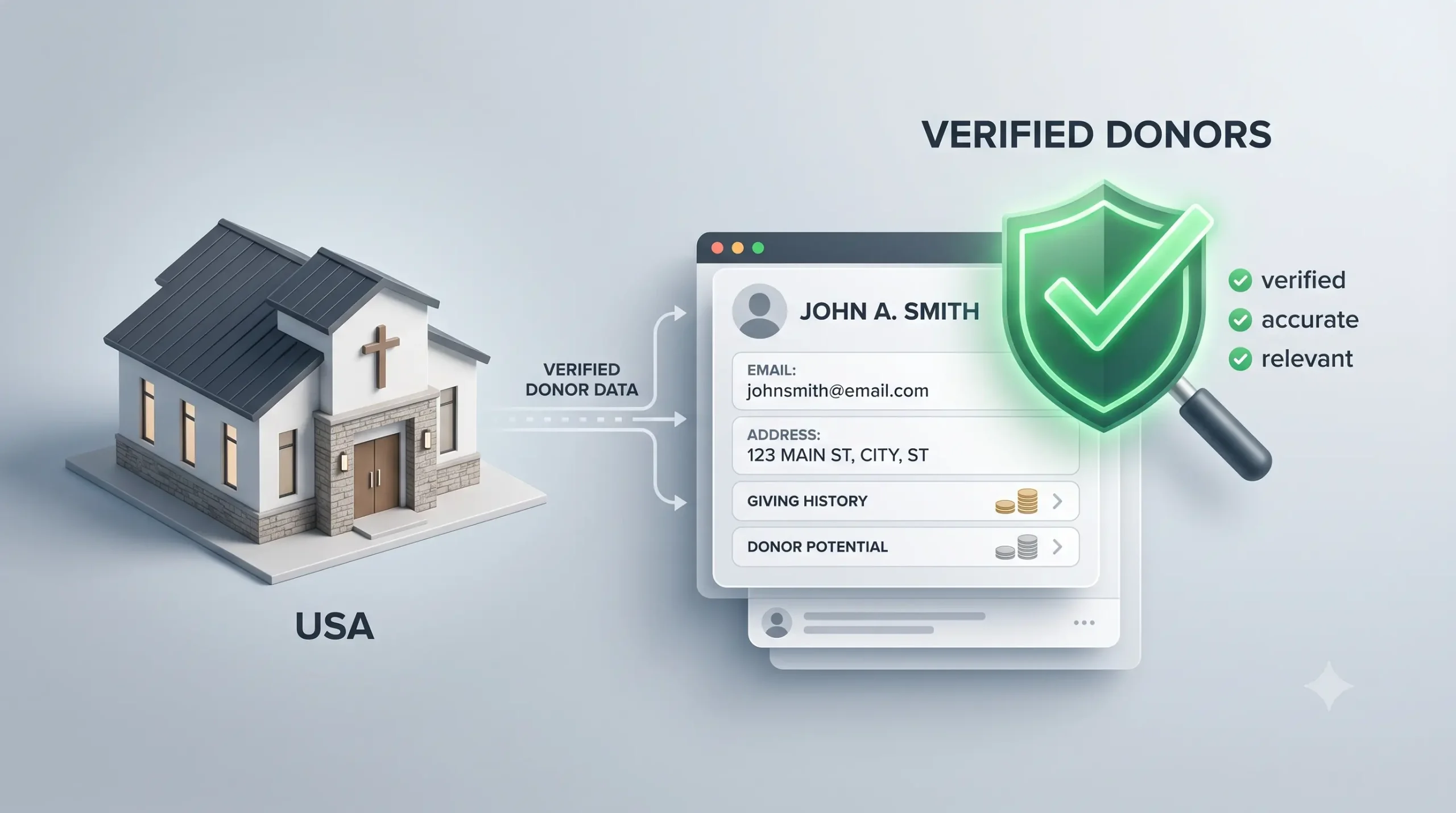
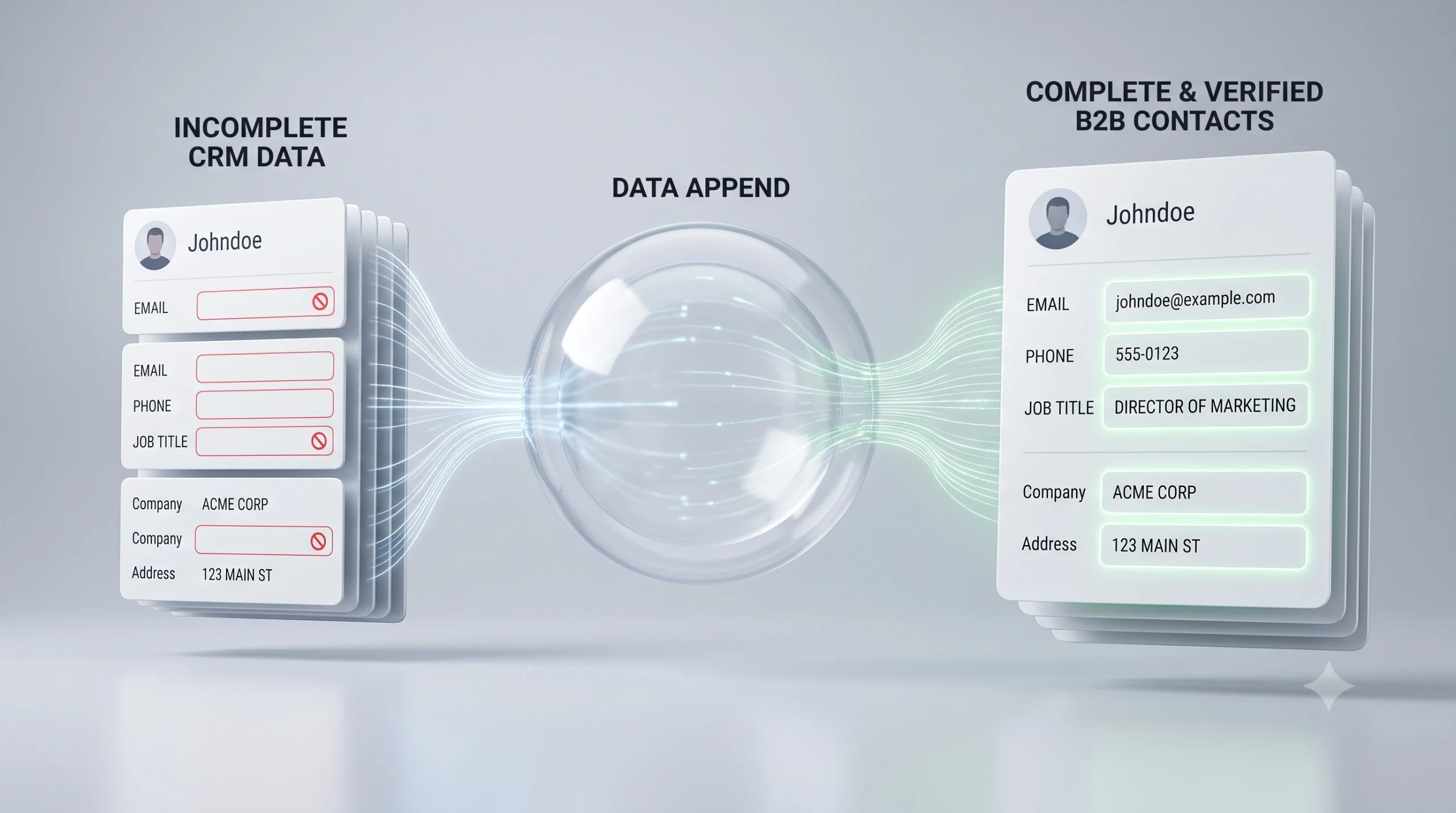
- Data Infrastructure – CRM system (like Salesforce, Bloomerang, or DonorPerfect) is essential for tracking donor history, wealth indicators, and engagement touchpoints. As you build your program, supplement your CRM with segmented charity donor lists that provide enriched data on giving patterns, cause affinities, and donor behaviors to accelerate your prospect identification process.
- Policies and Compliance – Establish clear ethical and data handling standards. Ensure compliance with privacy laws such as GDPR, CCPA, or CAN-SPAM when collecting and storing donor information.
Step 2: Identifying Potential Major Donors
Once your internal systems are in place, the next step is prospect research the foundation of any major gifts strategy.
As discussed in our earlier cluster, “Prospect Research for Major Gifts: Tools, Techniques, and Tips,” effective research helps identify individuals or organizations with the capacity, affinity, and propensity to give.
Use a combination of:
- Internal data (existing donors who consistently give at higher levels).
- Wealth screening tools like iWave or DonorSearch.
- Public records and philanthropic networks for insights into giving history.
- External nonprofit donor lists that include verified giving history and behavioral segmentation to expand your prospect pipeline beyond your existing database.
The goal is to create a prioritized list of qualified prospects ready for cultivation.
The goal is to create a prioritized list of qualified prospects ready for cultivation.
Step 3: Developing a Cultivation Strategy
Once prospects are identified, relationship-building begins. Cultivation isn’t about asking it’s about connecting.
Reference: “Major Donor Cultivation Strategies That Actually Work.”
Cultivation efforts may include personalized communication, invitations to events, one-on-one meetings, or sharing impact stories. The key is to listen understand what motivates them to give and how they want to make a difference.
Your cultivation plan should outline:
- Engagement channels (email, phone, in-person meetings).
- Key touchpoints (impact reports, project updates, thank-you notes).
- Timeline (consistent but non-intrusive contact over several months).
Step 4: Crafting the Case for Support
Donors need to know exactly what their gift will achieve. A strong case for support communicates:
- The problem your organization is solving.
- The solution your programs provide.
- The impact of the donor’s potential contribution.
Tailor this case to resonate with each prospect’s interests. For instance, a corporate donor might be motivated by brand visibility and social responsibility, while an individual donor may prioritize emotional connection and legacy building.
The tone should be confident yet transparent avoid exaggeration and ensure all claims are backed by measurable outcomes and verified data.
Step 5: Making the Ask
The solicitation phase must be strategic and respectful. Ideally, the request should come after multiple interactions, once the donor has shown readiness.
When presenting your ask:
- Be clear about the amount and purpose of the gift.
- Offer options for giving (one-time, multi-year pledge, or restricted fund).
- Involve leadership or board members if the relationship warrants it.
- Always provide follow-up materials summarizing the conversation and next steps.
For more detail, revisit our cluster on “How to Make the Ask: Major Gift Solicitation Best Practices.”
Step 6: Stewardship and Retention
A major gift program doesn’t end with the donation it begins a new phase of relationship management. Stewardship ensures that donors feel appreciated, informed, and inspired to give again.
Stewardship practices include:
- Prompt and personalized thank-you notes.
- Regular progress updates and reports.
- Invitations to exclusive events or impact tours.
- Recognition in annual reports or donor walls (when appropriate).
As outlined in “Major Gift Stewardship: Retaining Your Biggest Donors,” consistent and transparent stewardship not only fosters loyalty but also encourages referrals and larger future contributions.
Step 7: Measuring and Refining Your Program
Tracking key metrics helps you measure progress and optimize future efforts. Common KPIs include:
- Number of qualified prospects added to the pipeline.
- Conversion rate from cultivation to solicitation.
- Average major gift size.
- Donor retention rate year-over-year.
- Total revenue from major gifts compared to overall fundraising.
You can explore this further in “Major Gift Fundraising Metrics: KPIs Every Nonprofit Should Track.”
Continuous evaluation allows your organization to refine its approach, invest in what works, and identify bottlenecks early.
3. Global and Cross-Sector Considerations
In an increasingly globalized fundraising environment, your major gifts program must adapt to international donors and corporate partnerships. Consider:
- Cultural norms — giving motivations and recognition expectations vary across regions.
- Tax implications — donors in different countries may benefit from varying deductions or incentives.
- Regulatory compliance — understand laws governing cross-border donations and anti-money-laundering standards.
Nonprofits with global reach should collaborate with legal experts to ensure that every aspect of their program aligns with international standards and ethical frameworks.
4. Common Challenges (and How to Overcome Them)
- Limited Staff Capacity
→ Start small with a focused group of prospects and expand gradually. - Data Silos or Poor Record-Keeping
→ Integrate all donor data into a unified CRM and ensure regular updates. Learn how to leverage brokered donor lists to supplement internal data and create a comprehensive multi-channel outreach strategy from day one. - Lack of Leadership Support
→ Educate board members on the long-term ROI of major gifts programs. - Fear of Making the Ask
→ Provide solicitation training and role-play sessions for staff to build confidence. - Inconsistent Stewardship
→ Automate reminders and assign stewardship roles to maintain regular engagement.
5. Conclusion
Building a major gifts program from scratch isn’t about chasing big checks it’s about creating a structured, ethical, and relationship-driven framework that allows generosity to thrive.
By investing in internal infrastructure, conducting thoughtful prospect research, and prioritizing meaningful engagement, nonprofits can transform their fundraising results and deepen donor loyalty.
Whether you’re a growing nonprofit or an established institution refining your strategy, remember: success lies in patience, persistence, and people.