Introduction
Major gift fundraising is one of the most effective ways for nonprofits to build long-term financial stability and deepen their relationships with key supporters. Unlike general donations or small campaigns, major gifts come from individuals or organizations that have both the capacity and willingness to make a significant impact through their giving.
Every successful nonprofit, whether large or small, eventually realizes that sustainability depends on cultivating strong relationships with these major donors. It’s not just about asking for bigger checks it’s about aligning shared values, long-term vision, and genuine trust.
In this complete guide, we’ll break down how major gift fundraising works, how to identify and nurture potential donors, and how to build a sustainable program that helps your organization grow year after year. From prospect research to stewardship, you’ll find every part of the process clearly explained, with practical insights you can apply immediately.
What Is Major Gift Fundraising?
Major gift fundraising is the process of securing large, high-impact donations from individuals, corporations, or foundations who believe in your nonprofit’s mission. These gifts typically represent the largest portion of a nonprofit’s revenue, even if they come from a small percentage of donors.
There’s no universal dollar amount that defines a “major gift.” For some local nonprofits, a major gift might be $5,000; for large institutions or universities, it could be $100,000 or more. The key is that it’s significant relative to your organization’s typical donation size and capable of creating measurable change in your programs or operations.
At its core, major gift fundraising is about building relationships rather than transactions. It focuses on identifying people who already have a meaningful connection to your cause and nurturing that relationship until it naturally leads to a significant contribution.
In other words, you’re not just finding donors — you’re building a network of long-term partners who share your organization’s vision for impact.
Why Major Gifts Matter for Nonprofits
Major gifts are often the backbone of a nonprofit’s fundraising strategy. While small donations from a large number of supporters are important, major gifts have the power to transform programs, expand services, and drive long-term impact.
Here are several reasons why focusing on major gift fundraising is essential:
- Significant Financial Impact
Major gifts can fund entire projects, cover operational costs, or enable strategic initiatives that smaller donations alone cannot. One well-cultivated donor can make a difference equivalent to hundreds of small contributions. - Strengthening Donor Relationships
By engaging with major donors personally, nonprofits build meaningful, long-term relationships. These relationships often lead to recurring gifts, multi-year pledges, and advocacy for your cause. - Encouraging Others to Give
Major gifts can act as a catalyst. When other donors see significant contributions, it can inspire additional giving and increase overall donor confidence. - Strategic Program Growth
With major donations, nonprofits can invest in innovation, expand their reach, and implement initiatives that may have been financially out of reach before. - Building Credibility and Trust
Organizations that successfully manage major gifts demonstrate strong stewardship, accountability, and organizational credibility qualities that attract more donors and potential partners.
Key Insight:
Investing time and effort into major gift fundraising is not just about raising money. It’s about creating partnerships that last, fostering trust, and empowering your mission to thrive.
Identifying and Cultivating Major Donors
Identifying the right major donors is one of the most important steps in major gift fundraising. These are the supporters who not only have the capacity to give significant contributions but also share a genuine connection to your nonprofit’s mission. Focusing on the right prospects ensures your time and resources are spent effectively.
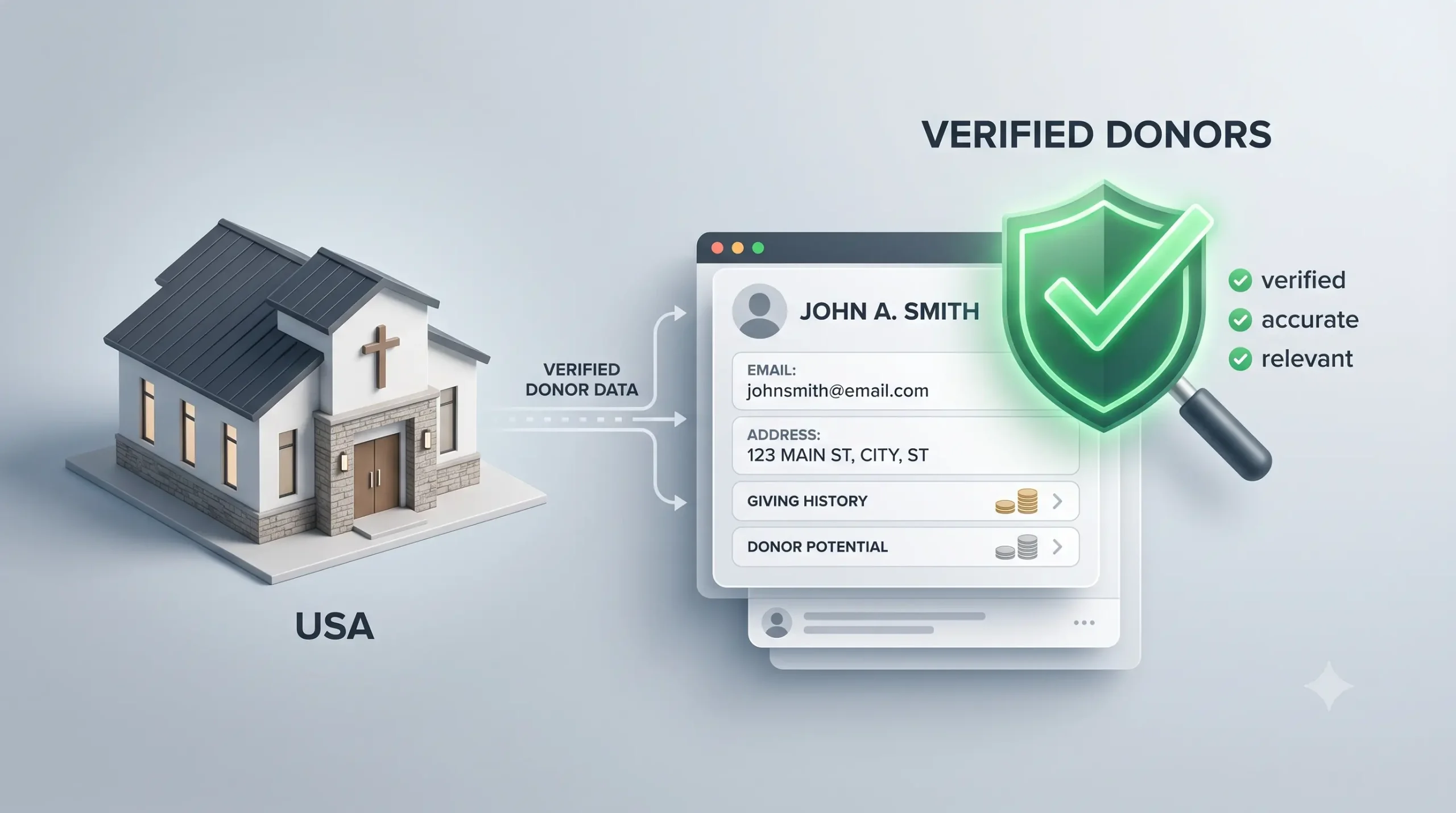
To start, consider donors’ giving history, personal connections to your cause, and alignment with your organization’s values. Many nonprofits also use donor databases, prospect research tools, and wealth screening platforms to identify individuals or organizations with high potential. Having accurate and up-to-date information helps prioritize outreach and improves the likelihood of securing major gifts.
Once potential donors are identified, cultivation is key. This involves building a meaningful relationship over time rather than rushing into a solicitation. Engage donors with personalized communication, invite them to events or program visits, and demonstrate the impact of their contributions. Trust and genuine connection are the foundations of major gift success.
Making the Ask: Major Gift Solicitation Best Practices
Asking for a major gift is a pivotal moment in fundraising. It requires careful preparation, thoughtful communication, and a clear understanding of the donor’s interests. Unlike smaller donations, major gifts are built on trust and alignment with the donor’s values, not just financial need.
Preparation Is Key
Before making the ask, research your donor thoroughly. Understand their giving history, personal passions, and relationship with your organization. This ensures your proposal resonates and demonstrates that you truly value the donor as a partner, not just a contributor.
Timing and Approach
Choose the right time and setting for your ask. Major gifts are often best solicited in personal meetings, whether in-person or virtual, where you can engage in meaningful dialogue. A thoughtfully written proposal or letter can supplement the conversation, but personal connection remains the most effective method.
Crafting a Compelling Case
Clearly explain the impact of the gift. Donors want to see how their contribution will make a tangible difference. Use specific examples, stories, or outcomes that connect with the donor’s values. Emphasize the long-term vision and the unique opportunity they have to shape change.
During the Ask
Focus on conversation rather than a pitch. Encourage questions, listen actively, and acknowledge the donor’s interests. The objective is to make them feel engaged, appreciated, and confident that their support will create meaningful results.
Major Gift Stewardship: Retaining Your Biggest Donors
Securing a major gift is only the beginning. Stewardship the process of nurturing and maintaining strong relationships with donors after their gift is essential to ensure long-term support and loyalty. Effective stewardship helps donors feel valued, connected, and confident that their contributions are making a meaningful impact.
Key Elements of Stewardship
- Timely and Personal Acknowledgment
Always thank donors promptly and personally. A handwritten note, phone call, or personalized email can make a lasting impression and demonstrate genuine appreciation. - Show Impact
Share updates on how their gift is being used. Include stories, results, or data that illustrate the difference their support is making. Transparency builds trust and reinforces the donor’s decision to give. - Engage Continuously
Keep donors involved through invitations to events, program updates, or opportunities to connect with staff and beneficiaries. Regular engagement strengthens relationships and fosters long-term commitment. - Tailored Recognition
Recognize donors in ways that align with their preferences whether publicly, privately, or through exclusive experiences. Personalized recognition enhances the donor experience and encourages continued support.
The Goal of Stewardship
The ultimate goal is to move donors from one-time givers to lifelong partners. Well-executed stewardship not only secures repeat gifts but also opens doors to larger contributions, planned giving, and advocacy on behalf of your organization.
Prospect Research for Major Gifts: Tools, Techniques, and Tips
Effective major gift fundraising begins with thorough prospect research. Understanding a potential donor’s background, giving history, and interests allows nonprofits to focus their efforts on individuals most likely to make a significant impact. Research is not just about collecting data; it’s about uncovering meaningful insights that guide your cultivation and solicitation strategies.
Key Research Techniques
- Review Giving History
Analyze the donor’s past contributions to your organization or similar causes. Patterns of giving can reveal capacity, commitment, and preferred types of support. - Use Public Records and Online Tools
Nonprofits can access public financial disclosures, board memberships, philanthropic foundations, and professional profiles to gather relevant information. Online research platforms and wealth screening tools can provide deeper insights into a donor’s capacity and interests. - Engage Internally
Speak with staff, volunteers, and other donors who may have prior knowledge or connections. Internal insights often reveal valuable context that numbers alone cannot provide. - Track Interests and Engagement
Monitor how potential donors interact with your organization event attendance, newsletter engagement, volunteer involvement to understand their level of commitment and potential alignment with your initiatives.
The Goal of Prospect Research
Prospect research equips your team to prioritize high-potential donors, tailor cultivation strategies, and approach solicitations with confidence. It ensures that every interaction is informed, meaningful, and aligned with the donor’s interests.
Building a Major Gifts Program from Scratch
Creating a major gifts program from the ground up can seem challenging, but a structured approach ensures long-term success. A well-designed program allows nonprofits to systematically identify, cultivate, solicit, and steward donors, turning one-time contributors into committed partners.
Key Steps to Build Your Program
- Define Goals and Priorities
Start by outlining the program’s objectives. Determine how much funding you aim to raise, which projects or initiatives it will support, and the timeline for achieving your targets. - Identify Your Team
Assign dedicated staff or volunteers to manage the major gifts program. Roles may include major gift officers, research staff, and stewardship coordinators. Clearly defined responsibilities ensure accountability and smooth operations. - Develop Policies and Processes
Establish clear guidelines for prospect research, donor engagement, solicitation, and recognition. Standardized processes maintain consistency and professionalism across all donor interactions. - Segment and Prioritize Donors
Use prospect research and historical giving data to create a pipeline of potential major donors. Prioritize outreach based on capacity, interest, and alignment with your mission. - Implement Tracking and Evaluation
Monitor progress through key metrics such as donor acquisition, gift size, and retention rates. Regular evaluation helps refine strategies and improve results over time.
The Outcome
A thoughtfully built major gifts program provides a scalable, repeatable framework for securing significant donations. It strengthens relationships, maximizes impact, and positions your organization for sustainable growth.
Major Gift Officer Job Description and Skills: Hiring Guide
A successful major gifts program depends heavily on the right team, and the Major Gift Officer (MGO) is often the backbone of the operation. This role requires a combination of relationship-building, strategic thinking, and fundraising expertise to secure significant contributions and cultivate long-term donor partnerships.
Key Responsibilities of a Major Gift Officer
- Prospect Identification and Research
MGOs are responsible for identifying potential major donors, analyzing giving capacity, and prioritizing outreach efforts to maximize impact. - Donor Cultivation and Relationship Management
Building and maintaining strong relationships with high-capacity donors is central to the role. MGOs must engage, communicate, and create meaningful experiences that align with donors’ values. - Solicitation of Major Gifts
MGOs lead the fundraising conversations, presenting compelling cases for support and guiding donors through the giving process with confidence and professionalism. - Stewardship and Reporting
Ensuring donors are thanked, informed, and acknowledged appropriately is key to retention. MGOs often track donor engagement and provide updates to both donors and organizational leadership.
Essential Skills
- Strong interpersonal and communication skills
- Strategic thinking and planning
- Knowledge of fundraising best practices and nonprofit operations
- Analytical skills for donor research and pipeline management
- Empathy and ability to understand donor motivations
The Value of the Role
A skilled Major Gift Officer can significantly increase a nonprofit’s fundraising capacity, strengthen donor loyalty, and help build a sustainable major gifts program.
Planned Giving vs. Major Gifts: What’s the Difference?
While both planned giving and major gifts are vital components of nonprofit fundraising, they differ in timing, structure, and donor intent. Understanding these differences helps organizations design strategies that maximize support while respecting donors’ goals.
Major Gifts
Major gifts are significant, immediate contributions made by individuals, corporations, or foundations. These gifts often fund specific projects, operational needs, or capital campaigns. The focus is on current giving, usually involving a direct ask and immediate impact.
Planned Giving
Planned giving, on the other hand, involves donations arranged to take effect in the future, often through estates, trusts, or life insurance policies. Donors typically commit assets that will benefit the organization over the long term, sometimes after their lifetime. Planned giving allows nonprofits to secure long-term financial stability and cultivate legacy relationships.
By understanding the distinctions, nonprofits can tailor their strategies to maximize both immediate and long-term support, while providing donors with options that align with their philanthropic goals.
Major Gift Fundraising Metrics: KPIs Every Nonprofit Should Track
Tracking the right metrics is essential for evaluating the success of a major gift program and ensuring continual improvement. Key performance indicators (KPIs) provide insight into donor behavior, program effectiveness, and areas for strategic growth.
Essential Metrics to Track
- Number of Major Donors
Monitor how many donors qualify as major contributors. This helps evaluate outreach success and program growth over time. - Total Major Gift Revenue
Track the total funds raised from major gifts to measure the financial impact and compare against goals or past performance. - Average Gift Size
Understanding the average contribution helps nonprofits identify trends and tailor cultivation strategies to encourage higher-level giving. - Donor Retention Rate
Retaining major donors is often more cost-effective than acquiring new ones. Tracking retention shows how well stewardship efforts are working. - Pipeline Progression
Measure the number of prospects moving from identification to cultivation and solicitation. This ensures a healthy flow of potential major donors. - Gift Conversion Rate
Track the percentage of prospects who actually make a major gift. This helps assess the effectiveness of solicitation strategies.
The Value of Metrics
Monitoring these KPIs allows nonprofits to make data-driven decisions, refine strategies, and ensure that resources are focused on the most promising opportunities. Metrics not only measure success but also guide the continuous improvement of donor relationships and program outcomes.
Corporate vs. Individual Major Gifts: Different Strategies for Different Donors
Major gift fundraising requires understanding that corporate donors and individual donors have different motivations, giving capacities, and engagement preferences. Tailoring strategies to each group increases the likelihood of securing meaningful contributions.
Individual Major Gifts
Individual donors often give based on personal connection, values, and trust. Strategies for engaging individuals include:
- Personalized communication: Tailor messages to their interests and giving history.
- Relationship-building: Cultivate long-term engagement through events, program updates, and direct interaction.
- Recognition and stewardship: Offer meaningful acknowledgment that aligns with their preferences.
Corporate Major Gifts
Corporations typically give for strategic, brand-related, or social responsibility reasons. Engaging corporate donors may involve:
- Sponsorship opportunities: Align donations with events, programs, or campaigns that enhance visibility.
- Employee engagement programs: Offer volunteer or matching gift opportunities to involve their workforce.
- Strategic partnerships: Highlight shared goals and measurable impact to demonstrate value for both the company and the community.
Key Takeaway
While individuals respond to emotional connection and personal impact, corporate donors often prioritize strategic alignment and measurable outcomes. By recognizing these differences, nonprofits can craft targeted approaches that maximize engagement and giving potential for both donor types.