Major gift fundraising is not one-size-fits-all. Nonprofits work with two main types of donors individuals and corporations each with distinct motivations, expectations, and strategies. Understanding these differences is critical for designing effective campaigns, building meaningful relationships, and maximizing impact.
Whether you are managing a major gift program for the first time or refining an established strategy, this guide will help you navigate the nuances of corporate and individual giving, ensuring your nonprofit can engage both audiences successfully.
1. Understanding Individual Major Gifts
Individual major gifts are typically contributions made by private donors based on their personal values, wealth capacity, and emotional connection to the mission. These gifts often represent the largest portion of revenue for many nonprofits.
Individual donors respond to relationship-driven engagement. They want to feel that their gift matters, that it is making a measurable difference, and that the nonprofit understands their unique interests.
Characteristics of Individual Major Gifts
- Personalized engagement: One-on-one meetings, customized proposals, and tailored recognition
- Flexible giving: Donors may give cash, stock, real estate, or even planned gifts
- Emotional motivation: The donor’s passion, values, and connection to the mission are primary drivers
Individual major donors can range from long-time supporters to newly identified prospects with high capacity. Cultivating these donors often involves prospect research, consistent stewardship, and strategic solicitation, as outlined in previous clusters.
2. Understanding Corporate Major Gifts
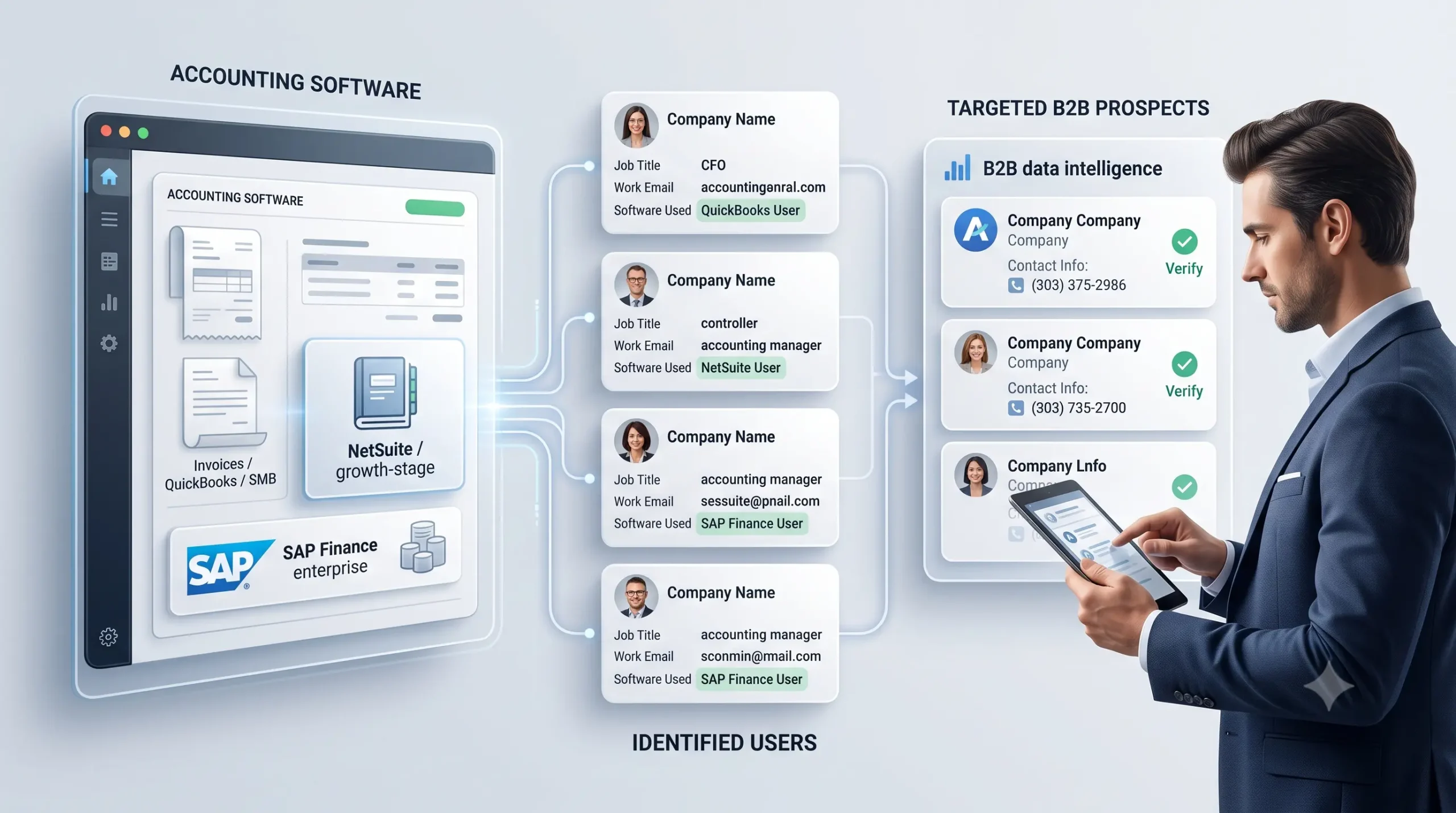
Corporate major gifts differ significantly from individual giving. These contributions are usually motivated by business objectives, social responsibility goals, or public relations benefits, alongside a genuine interest in supporting a cause. Identifying corporate prospects starts with accessing targeted business lists that include company size, industry, CSR activity, and decision-maker contact information to build your corporate donor pipeline.
Corporations can give through:
- Direct cash contributions
- Sponsorships of events or programs
- In-kind donations, such as technology, services, or expertise
- Matching gift programs for employees
Characteristics of Corporate Major Gifts
- Strategic alignment: Corporations prefer projects that align with their brand and corporate social responsibility (CSR) goals
- Formal process: Approval often requires sign-off from multiple decision-makers within the company
- Public recognition: Companies value acknowledgment through press releases, logo placement, or event sponsorship
Corporate donors often have structured giving budgets and timelines, which means nonprofits must navigate a more formalized solicitation and reporting process.
3. Key Differences Between Corporate and Individual Giving
While both donor types are essential, the approach to securing and stewarding gifts varies significantly. Here’s how they differ:
- Motivation: Individuals are driven largely by personal values and emotional connection. Corporations combine philanthropy with strategic business interests.
- Decision-making process: Individual donors may make decisions independently or with family input. Corporate gifts often require multiple approvals, including finance, CSR, and leadership teams.
- Gift structure: Individuals provide flexible gifts (cash, stock, planned giving), while corporate contributions may include cash, in-kind donations, sponsorships, or employee-driven programs.
- Engagement style: Personal touch is essential for individuals; corporate engagement often involves presentations, impact reporting, and formal proposals.
- Recognition expectations: Individuals appreciate personalized gratitude and stewardship reports. Corporations seek public visibility and measurable impact, often tied to branding or community engagement goals.
4. Cultivating Individual Major Donors
To maximize individual giving, nonprofits must focus on relationship-building and personalized experiences:
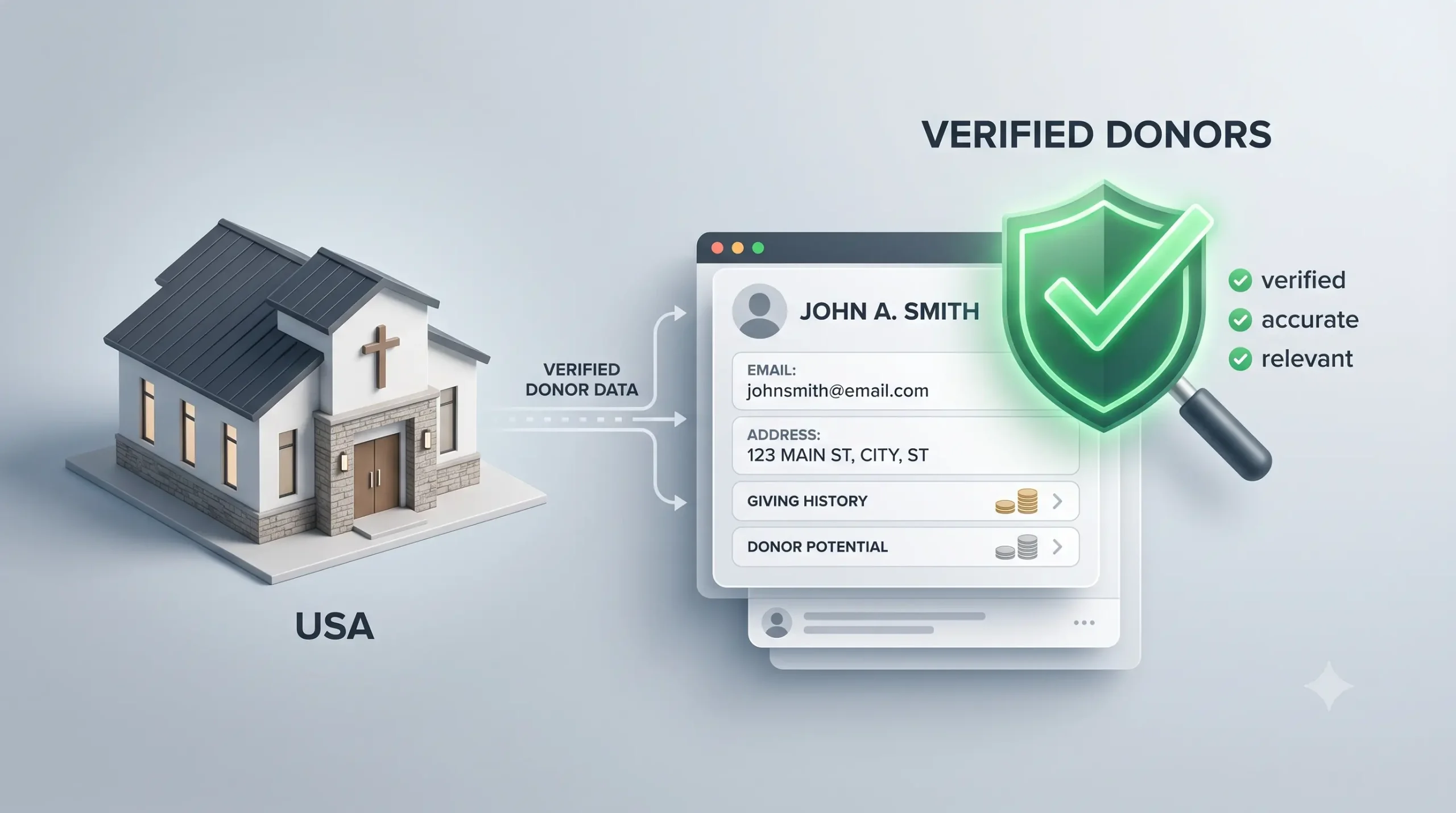
- Identify high-potential donors: Use prospect research tools to evaluate capacity and interest, or leverage curated affluent donor lists with verified wealth indicators and proven philanthropic history to accelerate your individual major donor identification process.”
- Tailor engagement: Customize communication based on donor preferences, interests, and giving history.
- Offer impact visibility: Provide detailed updates on how contributions are used.
- Plan for long-term relationships: Encourage recurring gifts, major upgrades, or planned giving discussions over time.
These strategies align with earlier clusters on prospect research, cultivation, solicitation, and stewardship forming the backbone of a successful individual major gift program. For detailed guidance on building these personal relationships, explore our comprehensive major donor cultivation strategies that are particularly effective for individual donors
5. Engaging Corporate Donors Effectively
Corporate donors require a strategic, professional approach:
- Understand CSR priorities: Align proposals with the company’s social responsibility goals.
- Provide structured proposals: Include budgets, measurable outcomes, and reporting plans.
- Build multi-level relationships: Engage not just one contact, but teams across CSR, finance, and leadership.
- Highlight employee involvement: Offer opportunities for employees to volunteer or engage in programs, increasing corporate visibility and satisfaction.
Corporate engagement often involves longer lead times, but the results can include substantial financial support and public partnerships that elevate the organization’s profile.
6. Blending Strategies for a Balanced Fundraising Program
The most successful nonprofits recognize that individual and corporate donors complement each other. A diverse major gifts program balances short-term impact and long-term sustainability:
- Individual donors provide flexible, relationship-driven funding that can be used to experiment with new initiatives or expand existing programs.
- Corporate donors contribute strategic, high-visibility support that may also include in-kind resources or employee engagement.
By designing a program that addresses both donor types, nonprofits can create robust pipelines of major gifts, ensuring the organization is financially healthy while also fostering meaningful community partnerships.
7. Compliance and Ethical Considerations
Both corporate and individual major gift programs require ethical fundraising practices:
- Respect donor privacy and confidentiality.
- Adhere to financial reporting standards and disclosure requirements.
- Avoid conflicts of interest, particularly in corporate partnerships.
- Ensure transparency regarding the use of funds and recognition practices.
Maintaining ethical standards enhances donor trust and protects the nonprofit’s reputation globally.
8. Global Insights: Corporate vs. Individual Giving
Giving patterns vary internationally:
- United States: Individual giving dominates, with strong major gift and planned giving programs; corporate philanthropy is often integrated with CSR initiatives.
- Europe: Both corporate and individual major gifts are well-established; compliance and transparency are emphasized.
- Asia & Middle East: Corporate giving is growing, often influenced by family-owned businesses and social reputation; major individual donors may prefer discreet, private contributions.
Understanding these nuances allows nonprofits to tailor strategies for different regions and cultural contexts.
9. Measuring Success for Both Donor Types
Metrics differ slightly for individual versus corporate donors:
- Individual donors: Retention rate, donor lifetime value, upgrade rate, and planned giving commitments.
- Corporate donors: Sponsorship ROI, partnership renewals, employee engagement, and brand visibility.
Tracking both sets of metrics ensures a balanced, effective fundraising program that maximizes impact while maintaining strong donor relationships. For a comprehensive framework on measuring major gift success across all donor types, see our complete guide to major gift fundraising metrics and KPIs.
10. Conclusion: Aligning Strategy with Donor Type
Corporate and individual major gifts each play a crucial role in nonprofit sustainability. By understanding the unique motivations, engagement strategies, and expectations of each, nonprofits can cultivate meaningful relationships, secure impactful gifts, and strengthen organizational capacity.
A thoughtful, diversified major gifts program ensures that both personal passion and strategic philanthropy contribute to the mission today and in the future.