In major gift fundraising, relationships and passion drive results, but data provides clarity and direction. Without tracking key performance indicators (KPIs), even the most well-intentioned campaigns can lose focus, and opportunities may be missed.
Understanding and monitoring the right metrics helps nonprofits evaluate effectiveness, strengthen donor relationships, and plan strategically for future growth. This guide explores essential KPIs, how to track them, and how they translate into actionable insights.
1. Why Tracking Metrics Is Essential
Many fundraisers hesitate to quantify relationship-based giving, believing that numbers cannot capture the human side of philanthropy. However, metrics offer insight into performance, accountability, and sustainability.
Tracking KPIs allows organizations to:
- Evaluate which strategies yield the best results
- Allocate resources efficiently
- Forecast future donations with confidence
In essence, metrics turn intuition into measurable success.
2. Defining Major Gift Metrics
Major gift metrics are indicators that measure the health and effectiveness of a fundraising program. These span the full donor lifecycle, including prospect identification, engagement, solicitation, and stewardship.
The most valuable KPIs are actionable. They provide clear guidance for improving processes rather than just reporting numbers.
3. Key KPIs for Major Gift Fundraising
1. Donor Retention Rate
Retention rate measures the percentage of major donors who continue giving over time. Retaining existing donors is more cost-effective than acquiring new ones, and small improvements in retention can significantly impact revenue. Monitoring retention helps organizations identify disengagement early and take proactive steps to maintain strong relationships. Discover proven major gift stewardship strategies that directly improve retention rates through transparent communication and meaningful engagement
2. Donor Acquisition Cost (DAC)
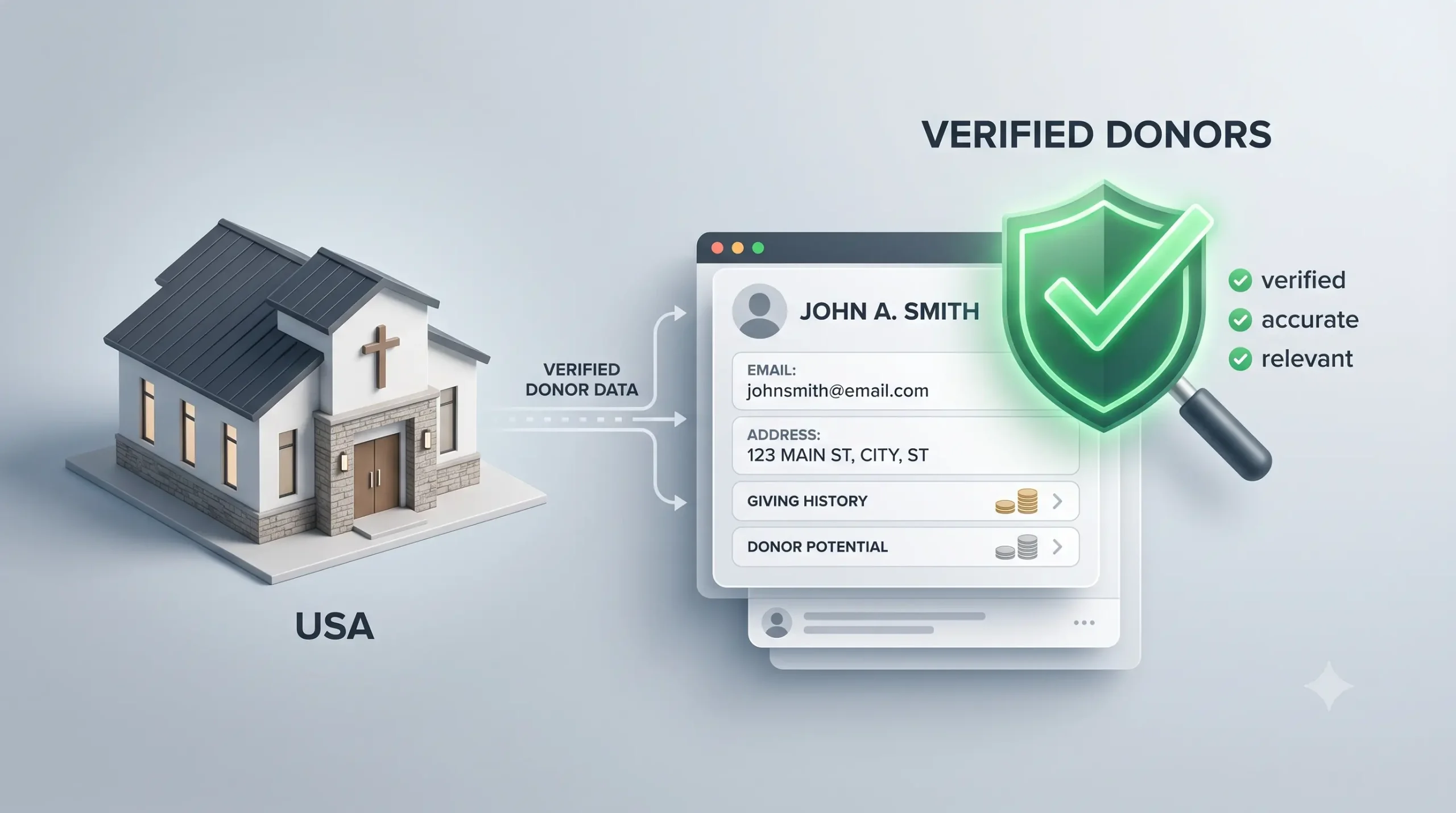
DAC calculates how much it costs to acquire each new major donor, including staff time, events, marketing, and research tools. A high DAC indicates potential inefficiencies, while a lower DAC combined with quality donors reflects a well-targeted acquisition strategy. Using pre-qualified nonprofit donor lists with verified giving history can significantly reduce your acquisition costs by focusing outreach on prospects with demonstrated philanthropic behavior
3. Average Gift Size
This metric measures the typical amount contributed by major donors over a set period. Tracking trends in average gift size reveals the effectiveness of cultivation and solicitation strategies.
Rising gift sizes suggest strong donor engagement, while stagnant or declining amounts may indicate areas for improvement in relationship management.
4. Donor Lifetime Value (LTV)
LTV estimates the total contribution a donor is expected to make during their relationship with the nonprofit.
This emphasizes long-term engagement over single, large contributions. Understanding LTV helps prioritize resources for nurturing high-potential relationships and planning stewardship strategies.
5. Conversion Rate
Conversion rate measures the proportion of prospective donors who become major gift contributors. Low conversion rates may indicate issues in prospect research, engagement strategy, or messaging. Tracking this KPI helps fundraisers refine outreach and tailor communications to donor interests. Improving conversion starts with effective prospect research for major gifts that accurately identifies prospects with capacity, affinity, and propensity to give..
6. Timeliness of Follow-Up
The speed and consistency of follow-up after donor interactions are critical. Prompt follow-up demonstrates care, professionalism, and responsiveness, reinforcing donor trust and increasing the likelihood of closing gifts.
Monitoring follow-up timelines ensures no engagement opportunities are lost.
7. Portfolio Management Efficiency
This metric examines the number of donors each major gift officer manages effectively. Too many donors can dilute personalized attention; too few may underutilize staff capacity.
An optimal portfolio allows focused, meaningful engagement with each donor while maximizing potential revenue.
4. Qualitative Indicators of Success
Not all KPIs are numerical. Qualitative metrics offer insights into the depth of donor relationships:
- Level of donor engagement (event participation, volunteering, referrals)
- Quality and personalization of communication
- Alignment of donor values with organizational mission
Combining qualitative and quantitative metrics creates a holistic view of donor health.
5. Leveraging Technology for Donor Insights
Modern fundraising depends on technology to organize, analyze, and visualize donor data. CRMs like Salesforce Nonprofit Cloud, Blackbaud, or Bloomerang enable organizations to:
- Track donor interactions and giving patterns
- Segment donors based on engagement and potential
- Automate reminders and reporting for timely stewardship
Using data responsibly is crucial. Compliance with privacy regulations, including GDPR and CCPA, ensures donor trust while maintaining ethical standards.
6. Setting Goals and Benchmarks
Metrics are only meaningful when measured against defined benchmarks.
Nonprofits should:
- Establish what constitutes a major gift for their organization
- Define annual goals for each KPI, such as increasing retention by 10%
- Review progress regularly to identify trends and areas for improvement
Benchmarks help organizations track internal progress and continuously refine fundraising strategies. For comprehensive guidance on establishing these foundational elements and integrating metrics into your overall strategy, see our guide to building a major gifts program from scratch.
7. Global and Sector-Specific Considerations
Different regions and sectors have unique fundraising dynamics:
- U.S. nonprofits lead in formal KPI tracking and data-driven fundraising strategies
- European organizations emphasize transparency and ethical reporting
- Asian and African NGOs increasingly utilize mobile and digital platforms for donor engagement
Understanding these nuances allows organizations to tailor strategies to different donor populations and maximize impact globally.
8. Transforming Metrics into Strategy
Collecting data is not enough. Metrics must inform decision-making and drive action:
- Low donor retention → implement enhanced stewardship programs
- Rising acquisition costs → refine marketing and targeting strategies
- Growing average gift size → explore opportunities for planned giving conversations
Regular analysis and team discussions ensure that insights translate into practical improvements in fundraising outcomes.
9. Final Insights for Nonprofits
Major gift fundraising is a blend of relationship-building and analytical insight. Emotional connection opens the door, but data ensures that every interaction is purposeful and effective.
Tracking and interpreting KPIs allows nonprofits to strengthen donor relationships, forecast revenue, and demonstrate accountability. By combining metrics with personalized engagement, organizations can create a sustainable major gift program that supports mission-driven impact.