Making the ask for a major gift is one of the most consequential moments in fundraising. It’s where months (or years) of research and relationship-building meet a clear invitation to partner. Done well, the ask deepens trust, creates meaningful impact, and opens the door to long-term support; done poorly, it can erode relationships and waste future opportunities. This guide focuses on practical, ethical, and globally-minded best practices you can use to maximize the chance of a successful solicitation while protecting your organization’s reputation.
Understand the psychology behind the ask
Major donors give for reasons beyond the organization’s needs. They are moved by meaning, legacy, community, and alignment with personal values. Successful solicitations connect the opportunity you present directly to those deeper motivations. Before you ever sit down for the formal ask, invest time in listening and learning: discover the donor’s stories, priorities, and the impact they want to make. Effective major donor cultivation strategies build the trust and understanding necessary to make your solicitation feel like a natural next step in an established partnership A case presented as a partnership “here’s how we can achieve X together” is far more compelling than a generic request for funds. Research and fundraising practice confirm that framing the ask as an invitation to impact, not a transactional demand, consistently yields better outcomes.
Prepare thoroughly internally and externally
Preparation is non-negotiable. Internally, your team should be aligned on the purpose of the gift, the exact amount (or gift range) you hope to secure, and the specific outcomes the donor’s support will enable. Develop a concise case for support that blends emotion and evidence: a short narrative about the problem and the people you serve, paired with clear metrics or targets that demonstrate feasibility and accountability. Externally, rehearse the conversation through role-plays so the solicitor is comfortable handling questions and objections. Building a robust pipeline of qualified nonprofit donor prospects ensures your team always has well-researched candidates ready for cultivation and eventual solicitation, maximizing your preparation time. Organizations that prepare leadership, board members, and primary solicitors with materials and practice sessions report higher confidence and conversion in asking.
Choose the right solicitor and setting
Who asks matters. The solicitor should be someone the prospect respects and trusts often a major gift officer, executive director, or a board member with a relationship to the donor. For corporate prospects or complex gifts, include the program leader who can speak to outcomes. The location matters too: in-person meetings are still the gold standard because they enable rapport and nuance, but a thoughtful virtual meeting or private, well-crafted written proposal can work when distance or schedules make face-to-face impossible. When you choose the setting, think about the donor’s preferences and the tone you want to set: private, conversational, and focused on partnership.
Make a specific, informed ask
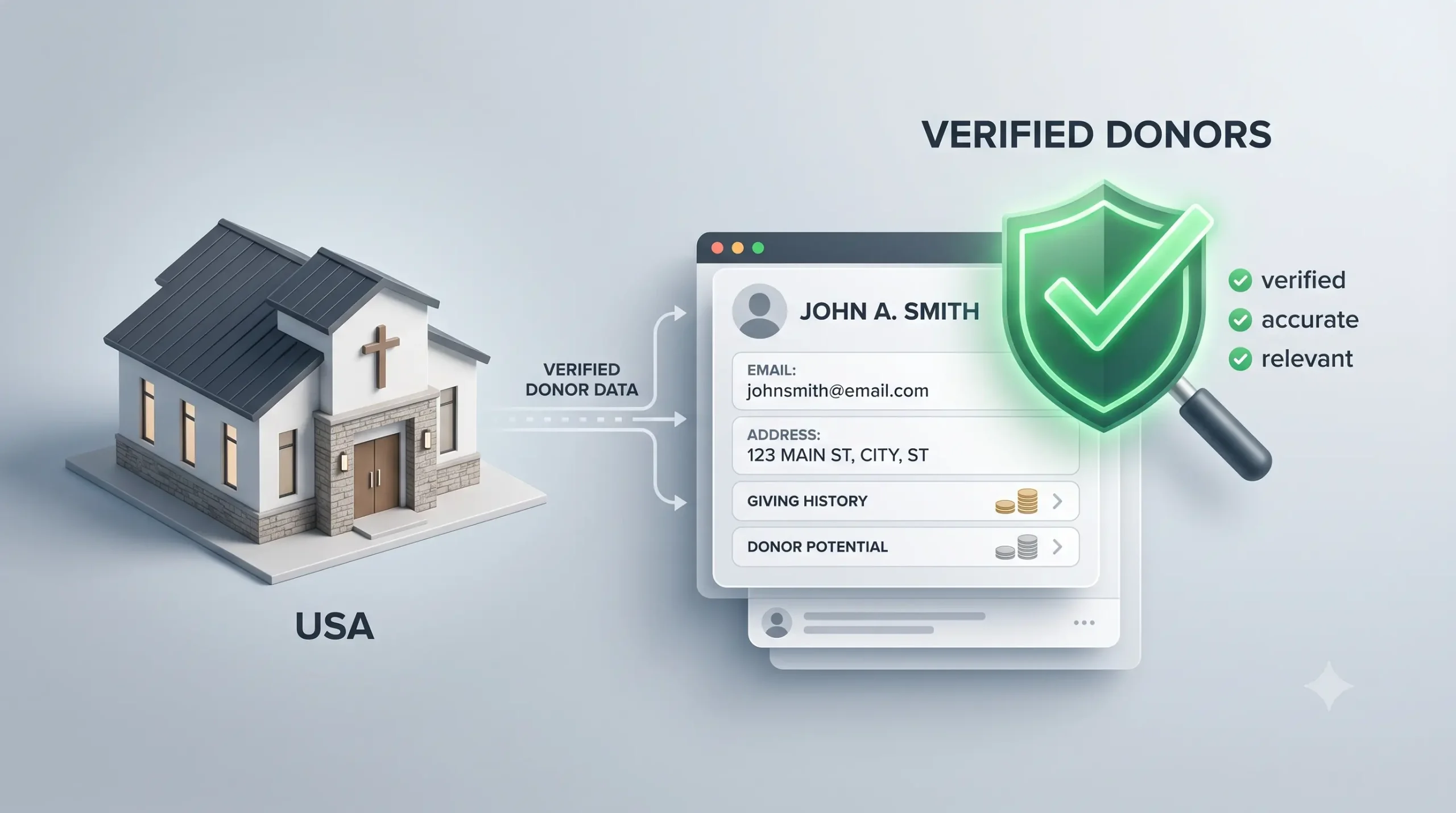
Ask with clarity. Major gift solicitations should avoid vague, open-ended appeals. Instead, present a carefully calculated ask amount (or a small range) grounded in your research of the donor’s capacity and the project’s budget. Identifying qualified high-net-worth donor prospects early in your pipeline ensures you’re focusing solicitation efforts on individuals with proven giving capacity and charitable intent. Explain specifically where the money will go and what measurable outcomes it will achieve. Donor research platforms and prospect development tools can supply context for an appropriate ask size, but don’t let data replace judgment use it to inform a human-centered request. A well-defined ask makes it easier for donors to say yes and to picture the impact of their gift.
Lead with conversation, listen to understand
The best solicitations feel like conversations, not pitches. Start by reaffirming the relationship and briefly restating why the donor’s values align with the project. Then, invite the donor to share reactions or questions. Asking open-ended questions and listening carefully often reveals the donor’s concerns, their preferred giving mechanisms, and potential objections each of which is an opportunity to respond thoughtfully and deepen the relationship. Remember, donors are partners in impact; your role during the ask is to co-create a plan that honors their interests and advances your mission.
Handle objections and negotiations transparently
Objections are normal and can be productive. Treat them as information rather than rejection. If a donor raises concerns about timing, impact measurement, or attribution, address these directly with concrete solutions: timelines, reporting schedules, naming or recognition options, or stepped giving plans. If a donor cannot meet the full amount you requested, be prepared with alternative asks (for example, a phased pledge, a restricted gift for a specific program component, or a matching challenge). Negotiation is often part of the process; approaching it transparently and respectfully preserves trust even when compromise is required.
Ensure compliance and ethical transparency
Solicitation must be legally and ethically sound. In the U.S., organizations must consider federal and state charitable solicitation rules, which may require registration before soliciting in certain states. Internationally, be mindful of data protection laws such as GDPR and other national privacy regimes when using donor information during cultivation or solicitation. Follow ethical codes (for example, those promoted by AFP and similar bodies) that emphasize informed consent, donor privacy, and non-discriminatory practices. Clear documentation of the ask, any donor restrictions, and agreed reporting protects both the donor and the organization. Compliance and ethical transparency are not obstacles; they are trust-builders that make donors comfortable to commit.
Tailor the ask to culture and context
Philanthropy is culturally nuanced. What succeeds in one country or community may be misinterpreted in another. In some cultures, direct, numeric asks are perfectly acceptable; in others, indirect, relationship-first approaches are the norm. Always adapt language, recognition, and the pace of the ask to the donor’s cultural expectations and philanthropic norms. For international gifts, consider tax and legal implications for the donor and the organization and be prepared to offer options that simplify cross-border giving, such as donor-advised funds, foundation channels, or partnership arrangements with local entities. Cultural sensitivity demonstrates respect and increases the likelihood of long-term partnership.
Use storytelling and evidence in balance
A compelling ask blends heartfelt storytelling with concrete evidence. Start with a short narrative that humanizes the need a beneficiary story or a snapshot of the community impact and quickly follow with data that proves the solution is effective and scalable. Donors want to feel the emotional pull, but they also want assurance that their investment will be well-managed and measured. Offering a short, credible reporting plan (how you’ll share outcomes and on what schedule) can be the deciding factor for many major donors.
Follow up with gratitude and stewardship (regardless of outcome)
Whether the answer is yes, no, or “not yet,” follow-up is essential. If the donor gives, thank them promptly and personally, and outline next steps and reporting expectations. If the donor declines or asks for more time, express appreciation for the conversation, summarize any agreed next actions, and continue stewardship because today’s decline can be tomorrow’s major gift if the relationship is nurtured. Maintain a stewardship calendar with agreed reporting intervals and meaningful engagement opportunities to keep donors connected and informed. This disciplined follow-up turns one-time gifts into durable partnerships.
Monitor and refine your solicitation practices
Solicitation is not a one-off activity but an evolving discipline. Track KPIs such as conversion rate from solicitation to gift, average gift size compared to ask size, time from first meaningful engagement to ask, and donor satisfaction. Expanding your prospect pool with segmented charity donor lists allows you to test different donor segments and refine which profiles respond best to your solicitation approach, improving your overall conversion metrics. Use these metrics to refine your approach: who should ask, what messaging resonates, and which formats perform best (in-person, virtual, written). Regular debriefs after solicitations what worked, what didn’t, and why create a culture of continuous improvement and increase success over time.
Conclusion
Making the ask is a craft that blends empathy, preparation, ethics, and a clear vision for impact. When your organization approaches solicitation as an invitation to partnership grounded in donor understanding, clear evidence, and transparent stewardship the result is not just a gift but a relationship capable of transforming your organization’s work. With careful preparation, cultural sensitivity, legal compliance, and relentless respect for donors’ priorities, your team can make the ask with confidence and integrity.