The Niche But Profitable Segment
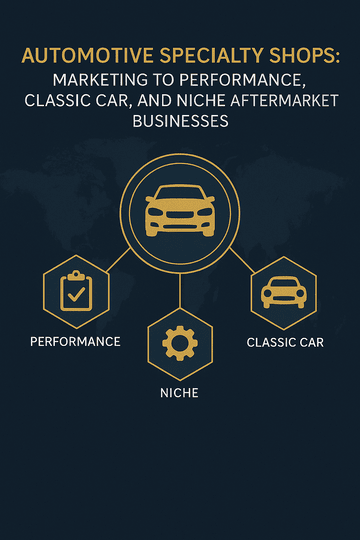
Automotive specialty shops serve a passionate and dedicated market. These businesses include performance tuning shops, classic car restoration facilities, custom fabrication shops, off-road specialists, and motorcycle aftermarket providers.
For B2B marketers, specialty shops may not offer the volume of mainstream repair shops, but they provide high-margin, long-term opportunities. Using verified automotive mailing lists email, phone, and direct mail ensures you reach the right decision-makers in this highly specialized aftermarket segment.
Market Overview: Specialty Shop Segments
- Performance Tuning Shops
- Focus on engine modifications, forced induction, and ECU tuning
- Often work with specific makes (Subaru, BMW, Porsche) or aftermarket parts
- Customer base includes enthusiasts and motorsport participants
- Classic Car Restoration Businesses
- Full or partial restoration projects spanning months or years
- Work with OEM or custom reproduction parts
- Highly detailed craftsmanship requiring specialized tools and materials
- Custom Fabrication Shops
- Hot rod builders, custom bodywork, and off-road vehicle modifications
- Require specialized welding, machining, and coating equipment
- Off-Road and Powersports Specialists
- Suspension lifts, armor, tire packages, and performance parts for trucks, SUVs, and motorcycles
- Cater to enthusiast communities and recreational markets
Key Decision-Makers
- Shop Owners
- Typically enthusiasts with deep technical knowledge
- Make strategic equipment and supplier decisions
- Master Technicians/Fabricators
- Influence tool and equipment choices
- Often the primary users of specialized diagnostic and fabrication equipment
- Event and Community Coordinators (optional)
- For shops involved in sponsorships, car shows, and enthusiast events
Tip: Relationship-based marketing works exceptionally well, as specialty shops value suppliers who understand their passion and technical requirements.
Products and Services They Buy
Specialty shops invest in high-quality, specialized equipment and parts:
- Diagnostic and tuning equipment (dyno, ECU programming)
- Fabrication tools (welders, CNC machines, custom jigs)
- Performance and restoration parts
- Paint and coating systems
- Marketing services targeting enthusiast audiences
These shops prioritize quality, reliability, and technical support, often over cost.
Marketing Challenges
Specialty shops pose unique marketing challenges:
- Highly Enthusiast-Driven: Owners value passion and technical expertise
- Low Volume, High Margin: Smaller customer base, but high-value purchases
- Fragmented Market: Each niche has its own focus, from off-road to classic cars
- Data Accuracy: Generic lists often miss decision-makers or technical influencers
Solution: Verified automotive mailing lists allow marketers to reach owners and technicians with multi-channel contact data, ensuring personalized outreach to the right segment.
How Verified Automotive Lists Help
Prospects Influentials’ specialty shop lists provide:
- Segmentation by niche: Performance tuning, classic restoration, fabrication, off-road, motorcycle
- Firmographic data: Shop size, annual revenue, specialty focus
- Decision-maker contacts: Verified emails, phone numbers, and mailing addresses for owners and master technicians
- Regular updates: Maintain accuracy despite industry changes
This enables marketers to tailor campaigns to specific shop types, increasing response rates and conversion.
When and How to Market
Timing and strategy:
- Performance shops: Target before racing seasons or tuning events
- Classic car shops: Coordinate campaigns around restoration cycles or car shows
- Off-road shops: Promote products before summer/off-season recreational periods
Effective Marketing Channels:
- Direct Mail: Catalogs, product brochures, or specialty tool kits
- Phone Outreach: Personalized follow-ups, demo scheduling
- Email Campaigns: Promotions, event invites, and product launches
- Digital Ads: Retargeting on platforms frequented by automotive enthusiasts
Targeting Strategy: Step by Step
- Define Ideal Accounts:
- Segment shops by niche, size, and technical specialization
- Acquire Verified Data:
- Multi-channel contacts for owners, master technicians, and influencers
- Personalize Outreach:
- Tailor campaigns for specific tools, parts, or services
- Test, Measure, and Scale:
- Launch pilot campaigns, track engagement, and scale successful strategies
Case Example
A supplier of high-performance dyno equipment targeted performance tuning and classic car shops using verified mailing lists. The multi-step campaign (direct mail → email → phone demo) achieved:
- 32% higher engagement than generic campaigns
- 7 high-value accounts secured within 3 months
- Repeat sales of performance parts and calibration services
This demonstrates that precision targeting and verified decision-maker data drive results, even in smaller, niche markets.
Conclusion: Specialty Shops Are High-Margin Opportunities
Automotive specialty shops may be smaller in volume but offer high-margin, long-term opportunities for B2B marketers. Using verified multi-channel automotive mailing lists, you can reach owners and master technicians with precision, increasing engagement and sales.
By understanding the niche, timing outreach, and personalizing messaging, marketers can establish themselves as trusted partners in these enthusiast-driven segments of the aftermarket.