Selecting the right list of senior citizen names can make the difference between a profitable direct mail campaign and one that wastes your marketing budget. With senior citizens representing a $7.6 trillion market annually and responding to direct mail at rates 2 to 3 times higher than younger demographics, getting your list selection right matters tremendously.
The challenge lies in navigating dozens of list options, each claiming superior quality and targeting. How do you determine which list of senior citizen contacts will deliver the best results for your specific offer?
In 2026’s direct marketing landscape, smart list selection combines demographic precision, behavioral indicators, data quality verification, and strategic testing. This guide walks you through the essential steps for choosing senior citizen lists that maximize return on investment.
Define Your Ideal Senior Customer Before Shopping for Lists
The most critical step happens before you even contact a list provider. You need a clear picture of who you’re trying to reach.
Start by analyzing your existing senior customers if you have them. What ages do your best customers fall into? What income levels characterize your most profitable segments? Do they own homes or rent? Do they live in specific geographic areas?
Creating a detailed customer profile guides every subsequent list decision. A Medicare supplement provider might target seniors ages 64 to 66 approaching Medicare eligibility, with household incomes above $50,000, who are homeowners. A reverse mortgage company needs homeowners age 62 and older with substantial home equity.
Your product’s price point influences income targeting. Premium travel packages require higher income selects than basic subscription services. Financial planning services targeting affluent retirees need different lists than companies selling mobility aids.
Geographic considerations matter significantly. Snowbirds who winter in warm states have different addresses seasonally. Regional preferences affect healthcare choices and leisure activities.
Understanding your ideal customer’s behaviors allows you to leverage psychographic selects. Does your offer appeal to active, healthy seniors or those dealing with health challenges? Are your prospects avid travelers or financially conservative savers?
Understand Different Types of Senior Citizen Lists Available
Not all lists of senior citizen contacts are created equal. Understanding the distinctions helps you select options aligned with your goals.
Compiled consumer lists contain seniors identified through public records, property records, and voter registrations. These offer broad coverage and reasonable costs, typically $80 to $150 per thousand names. They work well for initial prospecting but may include less engaged prospects.
Response lists contain seniors who’ve taken specific actions like purchasing products, donating to causes, or subscribing to publications. These cost more, usually $150 to $300 per thousand names, but deliver higher response rates because they’re self-selected based on behavior.
Specialty lists focus on specific senior segments like Medicare enrollees, AARP members, or cruise passengers. These niche lists offer precise targeting for relevant offers but may have higher minimums.
Modeled lists use statistical analysis to identify seniors who match your ideal customer profile. These work when response lists are too small or you want to expand beyond proven buyers.
Turning 65 lists specifically target seniors approaching Medicare eligibility, allowing campaigns timed to enrollment periods when seniors are actively making healthcare decisions.
Key Selection Criteria for Senior Direct Mail Lists
Once you understand list types, focus on specific selection criteria that refine your audience.
Age ranges should align with your offer’s relevance. Medicare supplements need ages 64 to 66. Retirement planning might target ages 55 to 64. Senior living facilities often focus on ages 75 and older.
Income selects ensure you’re reaching prospects who can afford your products. Direct mailing lists with income overlays let you target seniors earning $50,000, $75,000, $100,000, or more annually.
Home ownership versus renters matters for products tied to property. Reverse mortgages require homeowners. Senior living communities might target renters ready to make facility transitions.
Geographic targeting allows focus on areas where your offer makes sense. National campaigns might exclude states where you lack licenses. Local businesses need radius targeting around their locations.
Health and wellness indicators help target based on conditions or concerns. Some lists include selects for specific ailments, prescription medication usage, or interest in health products.
Lifestyle and interest overlays let you target seniors passionate about specific activities like travel, golf, or gardening when their interests align with your offer.
Marital status affects household decision-making. Married couples make joint decisions about financial planning. Widows and widowers have different needs and financial situations.
Evaluate List Quality and Data Freshness
A perfectly targeted list of senior citizen names delivers poor results if the data is old or inaccurate.
Update frequency determines deliverability. Quality providers update lists monthly with NCOA processing to capture address changes and suppress deceased individuals. Ask how often the list is updated and what percentage of addresses are verified within the past 90 days.
Deliverability guarantees demonstrate provider confidence. Reputable sources guarantee 90 to 95 percent deliverability and replace undeliverable addresses. No guarantee signals poor quality data.
Source transparency reveals compilation methods. Quality providers clearly explain where data originates. Self-reported survey data tends to be more accurate than inferred selections.
Match rates for enhanced data indicate quality. If you’re appending phone numbers or emails, ask about expected match rates. Landline phone numbers might match 60 to 70 percent of records. Email addresses might match 30 to 50 percent.
Consider Multi-Channel Capabilities Beyond Direct Mail
While your primary focus is direct mail, considering multi-channel potential increases campaign effectiveness.
Multi-channel lists include mailing addresses plus phone numbers and email addresses. This enables coordinated campaigns that mail first, follow up with email, then call high-value prospects.
Phone append services add landline and mobile phone numbers to mailing lists, allowing telemarketing follow-up. Confirm whether appended phone numbers are scrubbed against Do Not Call registries.
Email append adds email addresses to physical mailing lists. Opt-in email lists of seniors work well for follow-up campaigns after initial mail drops.
Budget Considerations and Pricing Models
Understanding costs helps you allocate budget effectively across list rental, creative, production, and postage.
Base pricing for senior lists typically ranges from $80 to $300 per thousand names depending on list type and selection criteria. Each additional selection criterion may add $5 to $20 per thousand to base pricing.
Minimum order quantities affect total costs. Most providers require 3,000 to 5,000 name minimums. Factor minimums into budget planning, especially for testing.
One-time usage represents standard licensing. If you want to mail the same list multiple times, negotiate multi-use pricing upfront. Multi-use discounts typically range from 10 to 20 percent per additional use.
Testing budgets should be separate from rollout budgets. Plan to test 3,000 to 5,000 names per segment before committing larger budgets.
Testing Strategies Before Full Campaign Deployment
Smart testing identifies which list of senior citizen segments performs best for your offer before you commit your entire budget.
Test quantities of 3,000 to 5,000 names per segment provide statistically valid results. Testing smaller quantities may not generate enough responses for confident decisions.
Multiple segment testing reveals performance differences. Test different age ranges, income levels, and geographic markets. Keep test quantities equal across segments for fair comparison.
Tracking mechanisms enable accurate measurement. Use unique phone numbers, reply codes, or URLs for each test segment to definitively attribute responses to specific lists.
Response window for seniors should be longer than younger demographics. Measure results over 30 to 45 days because seniors take more time making decisions.
Cost per acquisition calculations determine true ROI. The list with highest response rate might not deliver best ROI if acquisition costs exceed customer lifetime value.
Questions to Ask List Providers Before Purchasing
Thorough vetting prevents costly mistakes and ensures you’re getting quality data.
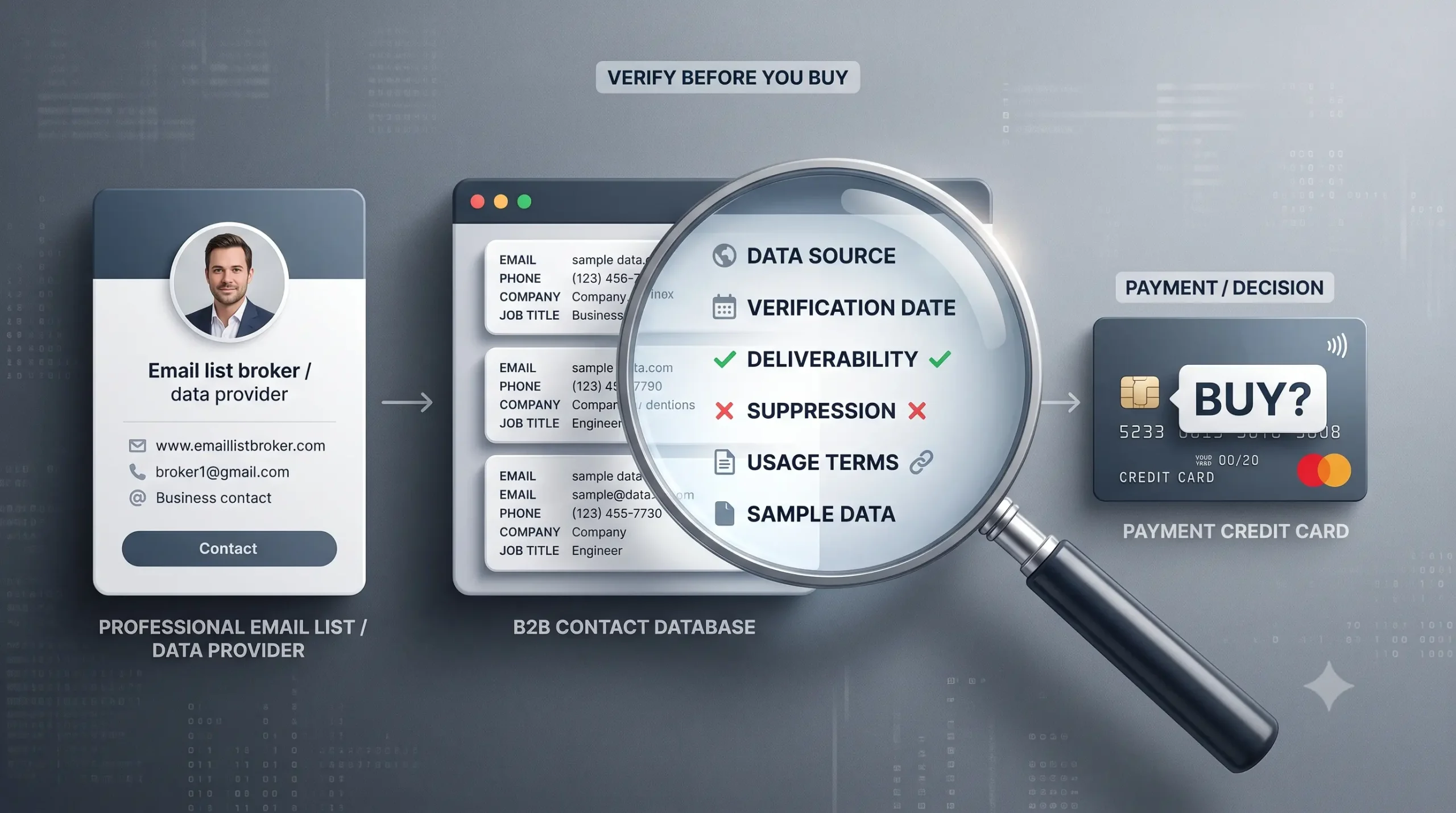
How recently was this list updated and what’s your update frequency? Look for monthly or continuous updates. Annual updates are insufficient.
What’s your deliverability guarantee and replacement policy? Expect 90 to 95 percent guarantees with replacements for undeliverable mail.
Where does your senior data originate? Providers should explain sources clearly. Survey responses and purchase transactions are positive indicators.
Can you suppress our house file and previous mailers? You shouldn’t pay to mail your existing customers or people you’ve recently contacted.
What selection criteria are included in base pricing versus additional cost? Understand the complete pricing structure.
Can you provide counts for our specific selections before we commit? Reputable providers offer preliminary counts showing how many names match your criteria.
Working With List Brokers for Expert Guidance
Navigating dozens of senior list options benefits from working with experienced list brokers who understand this market.
Brokers access multiple list sources rather than selling from limited inventory. They can compare options from dozens of compilers and recommend best fits.
Industry experience helps brokers suggest which lists work well for different offers. They know which sources maintain the most accurate senior data.
Negotiation leverage often gets better pricing. Brokers who place significant volume can secure discounts unavailable to individual buyers.
Testing recommendations based on similar client campaigns save you from reinventing the wheel. Brokers suggest proven approaches that worked for comparable offers.
Compliance guidance ensures your campaigns meet TCPA, CAN-SPAM, and other regulations.
Ongoing optimization helps you refine targeting over time based on actual campaign results.
Choosing the right list of senior citizen contacts for your direct mail campaign requires understanding your ideal customer, evaluating list types and quality, selecting appropriate criteria, and testing strategically before full deployment.
Ready to select the right senior citizen list for your direct mail campaign? Work with experienced list brokers who can guide you through consumer lists, specialty lists, and multi-channel options that deliver results.