Senior citizens represent one of the most valuable consumer segments in direct marketing. With substantial purchasing power, brand loyalty, and responsiveness to targeted offers, this demographic drives billions in annual spending across healthcare, insurance, travel, financial services, and consumer products.
A list of senior citizen contacts provides businesses with direct access to this lucrative market. Understanding these lists helps businesses make informed decisions about targeting strategies and reveals best practices for reaching older adults through campaigns that resonate with their preferences.
This guide explains what senior citizen mailing lists are, the data they contain, how businesses use them across industries, and practical insights for organizations considering this direct marketing approach.
What a List of Senior Citizen Contacts Actually Contains
A list of senior citizen names and addresses is a database containing contact information for individuals typically age 55, 60, or 65 and older, depending on how the compiler defines “senior.”
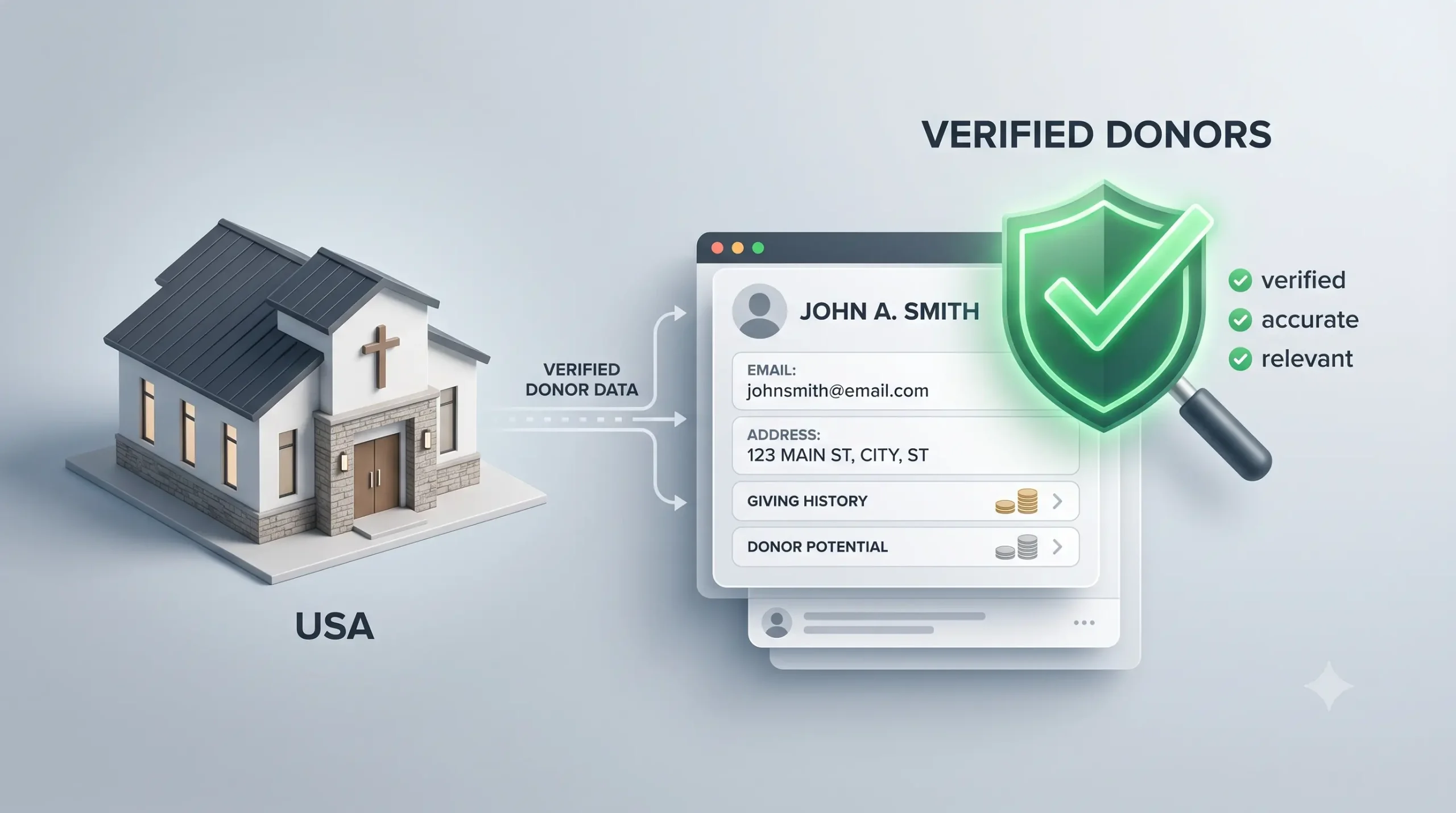
Standard data fields include full name, complete mailing address verified through NCOA processing, age or date of birth, and often additional demographic information like estimated household income, home ownership status, marital status, and household composition.
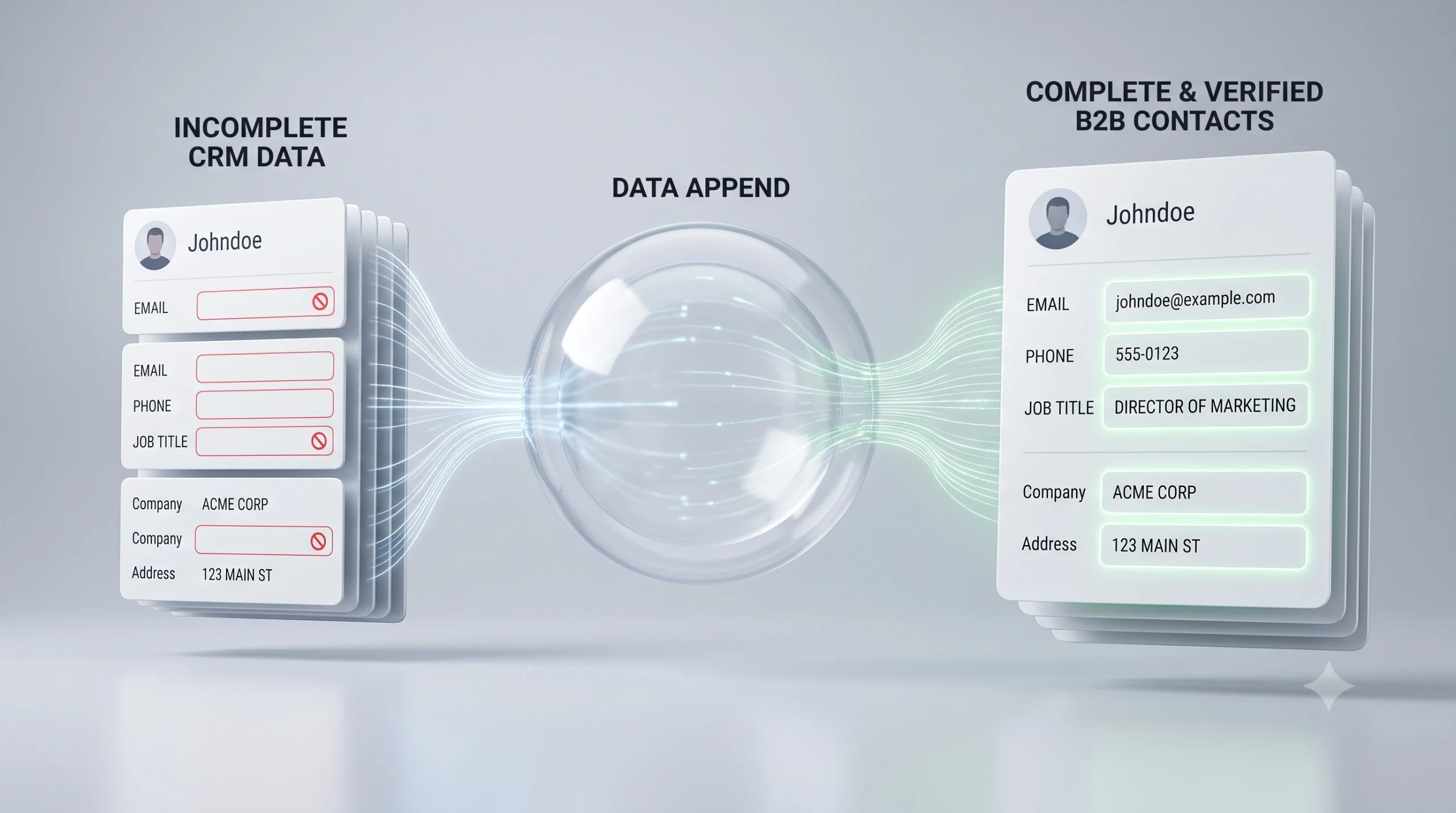
Many consumer lists with senior selects include enhanced data overlays containing information about Medicare eligibility, prescription medication usage, health conditions, financial assets, and lifestyle interests like travel, golf, or gardening.
The most sophisticated list of senior citizen records includes behavioral indicators showing purchasing history for senior-focused products, response to direct mail campaigns, charitable giving patterns, and subscription to publications targeting older adults.
Contact information beyond mailing addresses often includes landline phone numbers for telemarketing campaigns, email addresses for digital marketing, and sometimes mobile phone numbers.
The compilation process affects data quality. Lists compiled from multiple sources including public records, warranty registrations, and purchase transactions generally provide more accurate targeting than single-source lists.
Key Industries Using Senior Citizen Mailing Lists
Multiple industries rely heavily on senior citizen mailing lists because their products and services align with the needs of older adults.
Healthcare and medical services represent major users, including Medicare supplement insurance providers reaching seniors turning 65, hospitals promoting specialized services, home healthcare agencies, medical alert systems, and prescription medication programs.
Financial services target seniors extensively through retirement planning advisors, annuity providers, reverse mortgage companies targeting homeowners age 62 and older, estate planning attorneys, and investment advisors promoting wealth preservation strategies.
Insurance companies use lists of senior citizens for life insurance final expense products, long-term care insurance, and auto insurance mature driver programs.
Travel and leisure industries find seniors highly receptive. Cruise lines promote senior-friendly voyages. Hotel chains market extended stay programs for snowbirds. Travel clubs offer group tour packages designed for older travelers.
Senior living communities use direct mailing lists extensively, including independent living facilities, assisted living communities, continuing care retirement communities, and active adult communities.
How Direct Mail Campaigns Reach Senior Citizens
Direct mail remains exceptionally effective for reaching senior citizens because this demographic maintains strong engagement with traditional mailbox advertising.
Response rates for senior-targeted direct mail typically exceed those for younger demographics. Studies show seniors read direct mail more thoroughly and respond at 2 to 3 times the rates of younger consumers for relevant offers.
Successful direct mail to seniors follows specific design principles including larger font sizes of 14 to 16 points, high contrast between text and background, clear uncluttered layouts, and simple language avoiding jargon.
Personalization significantly boosts response from senior audiences. Variable data printing allows insertion of recipient names, ages, or specific benefits relevant to their situation. A Medicare supplement mailer might reference the recipient’s exact birth month when they become eligible.
Frequency matters in senior direct mail campaigns. Multiple touches to the same list of senior citizen prospects over 60 to 90 days dramatically increase total response because seniors often need more time to make decisions.
Testing different segments within a list of senior citizen contacts reveals which targeting performs best. You might test different age brackets, income levels, or geographic regions to identify your most responsive audiences.
Email Marketing to Senior Citizens
While direct mail dominates senior marketing, email usage among older adults has grown substantially, with over 75 percent of seniors now using email regularly.
Email to seniors requires different approaches than younger demographics. Subject lines should be straightforward rather than clever. Content should be concise and scannable. Font sizes should be larger than standard web text.
Opt-in email lists of seniors who’ve explicitly consented deliver better deliverability and response than compiled lists with appended email addresses.
Frequency guidelines for senior email differ from younger audiences. Seniors often prefer weekly rather than daily emails. They appreciate consistency in send schedules and tolerate longer emails with more detailed information.
Telemarketing Applications for Senior Lists
Phone outreach to seniors can be effective when done ethically and in compliance with regulations. Many seniors prefer phone conversations to digital communication.
Landline phone numbers on a list of senior citizen contacts enable traditional telemarketing. Cell phone numbers require prior express written consent under TCPA regulations. All lists must be scrubbed against the National Do Not Call Registry.
Successful telemarketing to seniors emphasizes patience and clarity. Scripts should allow time for seniors to process information and ask questions. Representatives should avoid high-pressure tactics.
Appointment setting works particularly well by phone with senior audiences. Financial advisors use telemarketing to schedule consultations. Healthcare providers call to arrange screening appointments. Senior living communities invite prospects for tours.
Multi-Channel Campaigns Combining Mail, Email, and Phone
The most effective campaigns to senior audiences combine multiple channels in coordinated sequences.
Multi-channel campaigns might start with a direct mail postcard, follow with an email three days later, then a phone call seven days after the initial mailing to reach prospects who engaged but didn’t convert.
This layered approach accommodates different communication preferences within the senior demographic. Some respond to mail, others prefer email, and many appreciate personal phone conversations.
Consistency across channels reinforces messaging and builds trust. When seniors receive coordinated messages across mail, email, and phone, it demonstrates legitimacy and professionalism.
Specific Applications by Product Category
Different products require different approaches with senior citizen lists.
Medicare-related marketing peaks around seniors’ 65th birthdays when they become eligible. Lists filtered for “turning 65” allow precise timing. Campaigns might begin three months before the birthday when the enrollment window opens.
Retirement planning services reach seniors in two distinct phases. Pre-retirees ages 55 to 64 need accumulation strategies. Recent retirees ages 65 to 75 need distribution planning and income strategies.
Travel marketing segments seniors by activity level. Active seniors ages 55 to 70 respond to adventure travel. Older seniors ages 70 and above prefer more leisurely travel.
Home services and products reach seniors aging in place. Stair lifts, walk-in tubs, home security systems, lawn care services, and handyman services all find receptive audiences in lists of senior homeowners.
Ethical Considerations in Senior Marketing
Marketing to seniors carries additional ethical responsibilities because this population can be vulnerable to scams and high-pressure tactics.
Transparency about costs, terms, and commitments is essential. Seniors deserve straightforward information without hidden fees or complicated conditions.
Avoiding fear-based marketing maintains ethical standards. Focus on benefits and solutions rather than frightening scenarios.
Privacy protection matters particularly with health-related data. Lists containing information about health conditions must be handled with appropriate security.
Honoring opt-out requests promptly shows respect. Reputable list brokers maintain suppression files and honor removal requests across future campaigns.
Measuring Success with Senior Citizen Lists
Response metrics for senior campaigns differ from younger demographics and require appropriate benchmarks.
Direct mail response rates to seniors typically range from 2 to 5 percent for relevant offers, significantly higher than general consumer mailings. Medicare supplement mailings might generate 4 to 6 percent response.
Email open rates for permission-based senior lists typically fall between 20 and 30 percent. Click-through rates tend to be lower at 2 to 4 percent because seniors are more cautious about clicking links.
Lifetime value calculations should account for senior loyalty patterns. Once a senior becomes a customer, they often remain loyal for years.
Response timing differs for senior audiences. Seniors often take days or weeks to decide. Measuring response over 30 to 60 days rather than 7 to 14 days provides more accurate campaign assessment.
Working With List Brokers for Senior Targeting
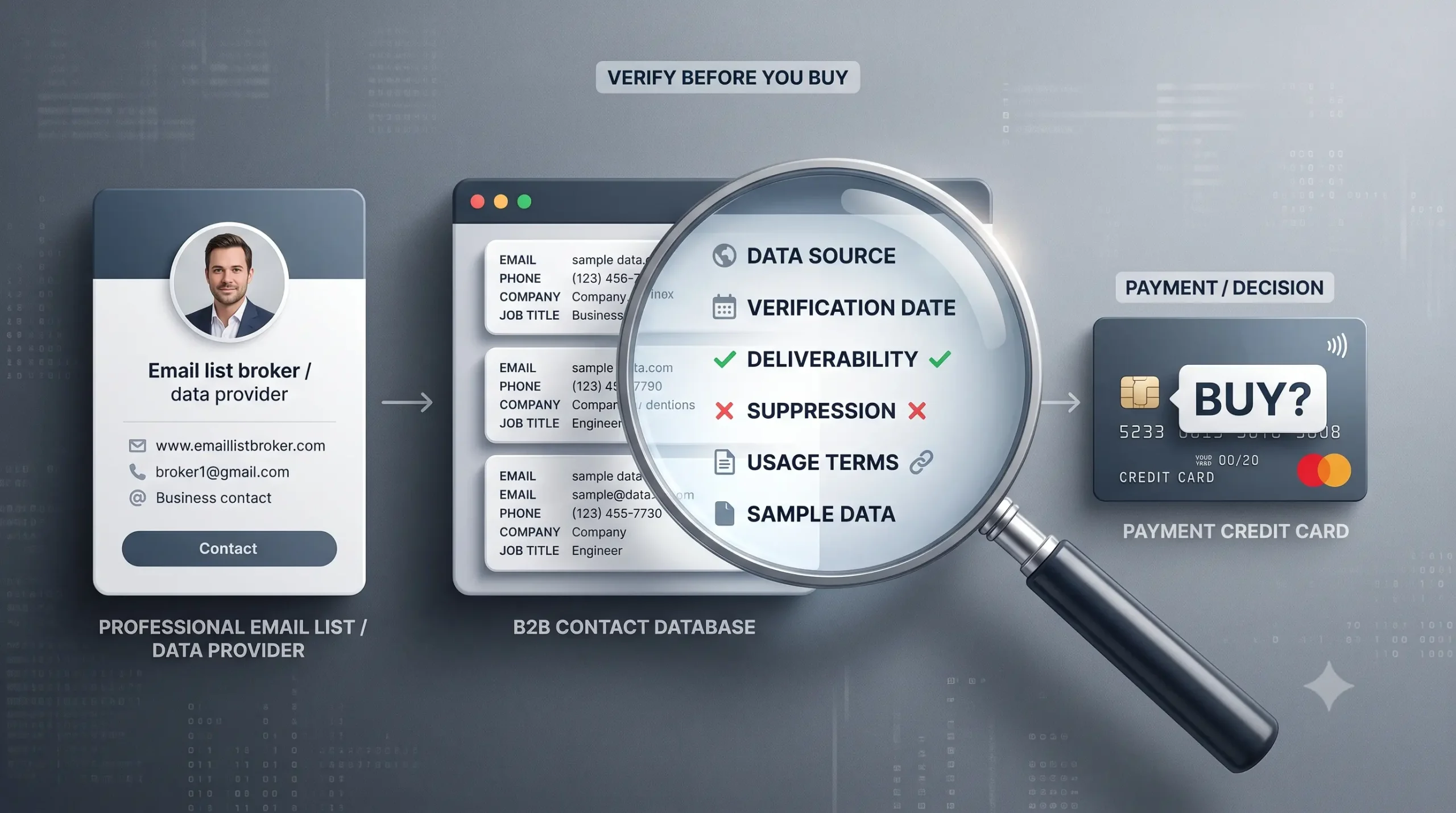
Navigating the senior list landscape benefits from working with experienced list brokers who understand this market.
Brokers access dozens of list sources and can recommend options matching your specific needs. They understand which compilers maintain the most accurate senior data and which lists perform best for different industries.
Compliance guidance helps avoid costly mistakes. Brokers know which lists are properly scrubbed for calling and how to structure campaigns meeting TCPA, CAN-SPAM, and other regulatory requirements.
Testing recommendations from experienced brokers save money and improve results based on similar client campaigns.
A list of senior citizen contacts opens doors to one of the most responsive and valuable consumer segments in direct marketing. Success requires quality data, appropriate messaging, multi-channel strategies, ethical practices, and realistic expectations based on this demographic’s unique characteristics.
Ready to reach senior citizens with targeted direct marketing campaigns? Work with experienced list brokers who can recommend the right consumer lists, help you navigate compliance, and design multi-channel campaigns and specialty lists that resonate with this valuable demographic.