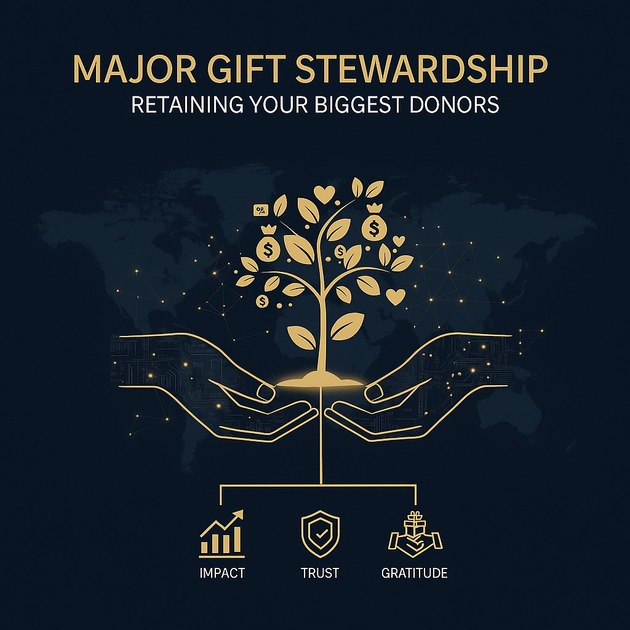
Winning a major gift is an accomplishment; keeping that donor inspired for years to come is mastery. Major gift stewardship is the heart of sustainable fundraising the ongoing process of nurturing trust, showing gratitude, and demonstrating real impact. In the nonprofit world, it’s not enough to make the ask successfully; true success lies in transforming one-time generosity into long-term partnership.
1. What Major Gift Stewardship Really Means
Stewardship goes far beyond sending a thank-you email after a donation. It’s a strategic and personal approach to ensuring that donors feel valued, informed, and confident that their contribution is creating genuine impact.
For major donors individuals or institutions contributing significant resources stewardship becomes a blend of transparency, engagement, and emotional connection. They’re not just investing in your organization; they’re investing in your vision.
A well-structured stewardship plan helps retain donors by building credibility and reinforcing the shared purpose that motivated their gift in the first place. This shared purpose should have been established during major donor cultivation, when you first built the relationship and identified alignment between the donor’s values and your mission. In fact, research shows that donor retention rates among nonprofits average around 45%, but when effective stewardship programs are in place, retention can exceed 65–70%.
2. Core Principles of Effective Stewardship
Stewardship thrives on four key principles personalization, transparency, consistency, and measurable impact.
- Personalization:
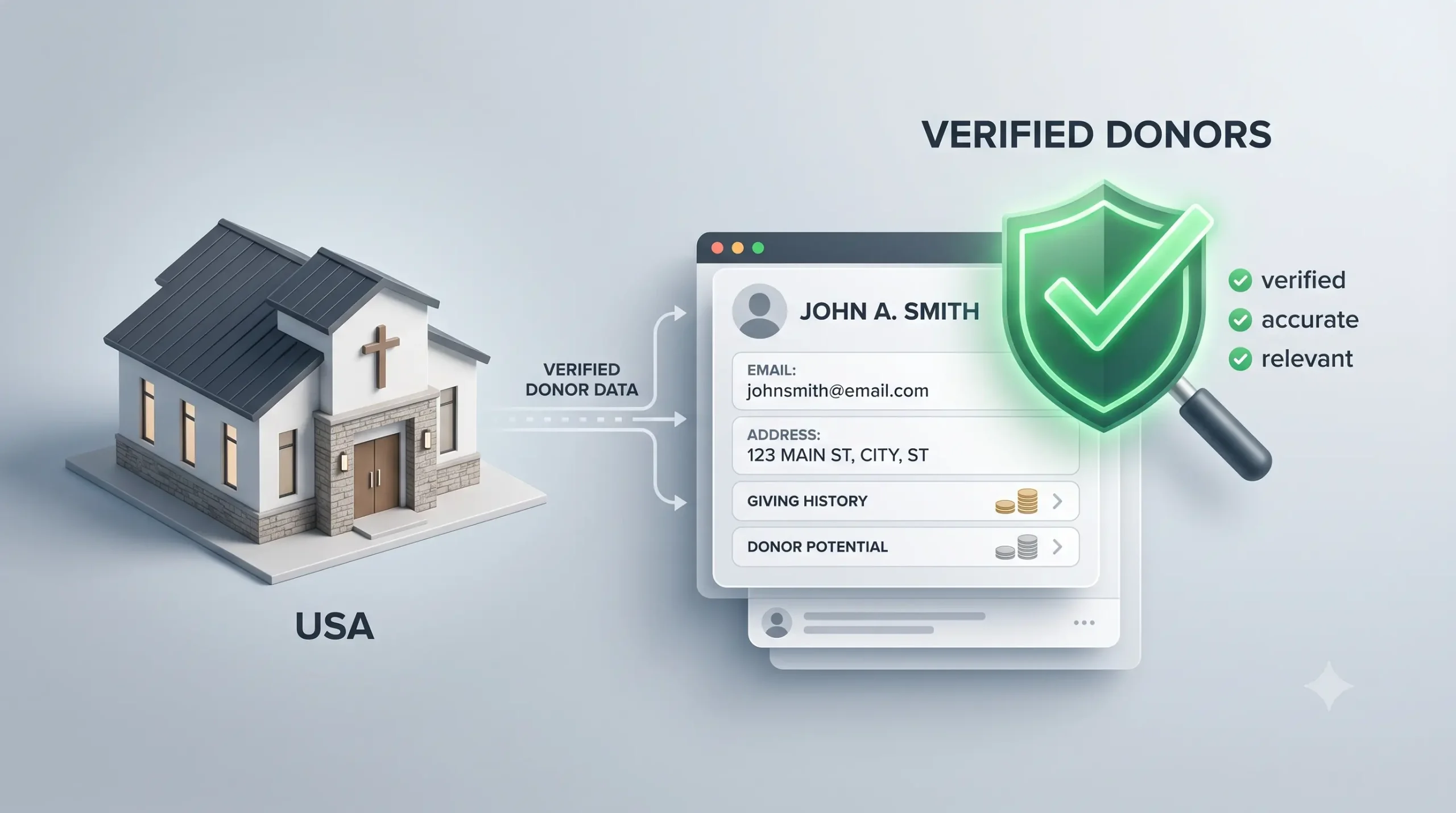
Every donor relationship is unique. The tone, frequency, and medium of communication should reflect the donor’s preferences and involvement. When building your prospect pipeline, working with segmented charity donor lists that include detailed behavioral and preference data allows you to personalize outreach from the very first touchpoint, setting the stage for strong stewardship relationships. - Transparency:
Donors expect clarity on how their contributions are being used. Share honest updates both successes and challenges to maintain trust. - Consistency:
Communication shouldn’t fade after the gift is received. Establish a structured cadence for outreach, updates, and gratitude. - Impact:
Show outcomes with real numbers, stories, and visuals. Demonstrating tangible progress validates the donor’s decision to give and reinforces loyalty.
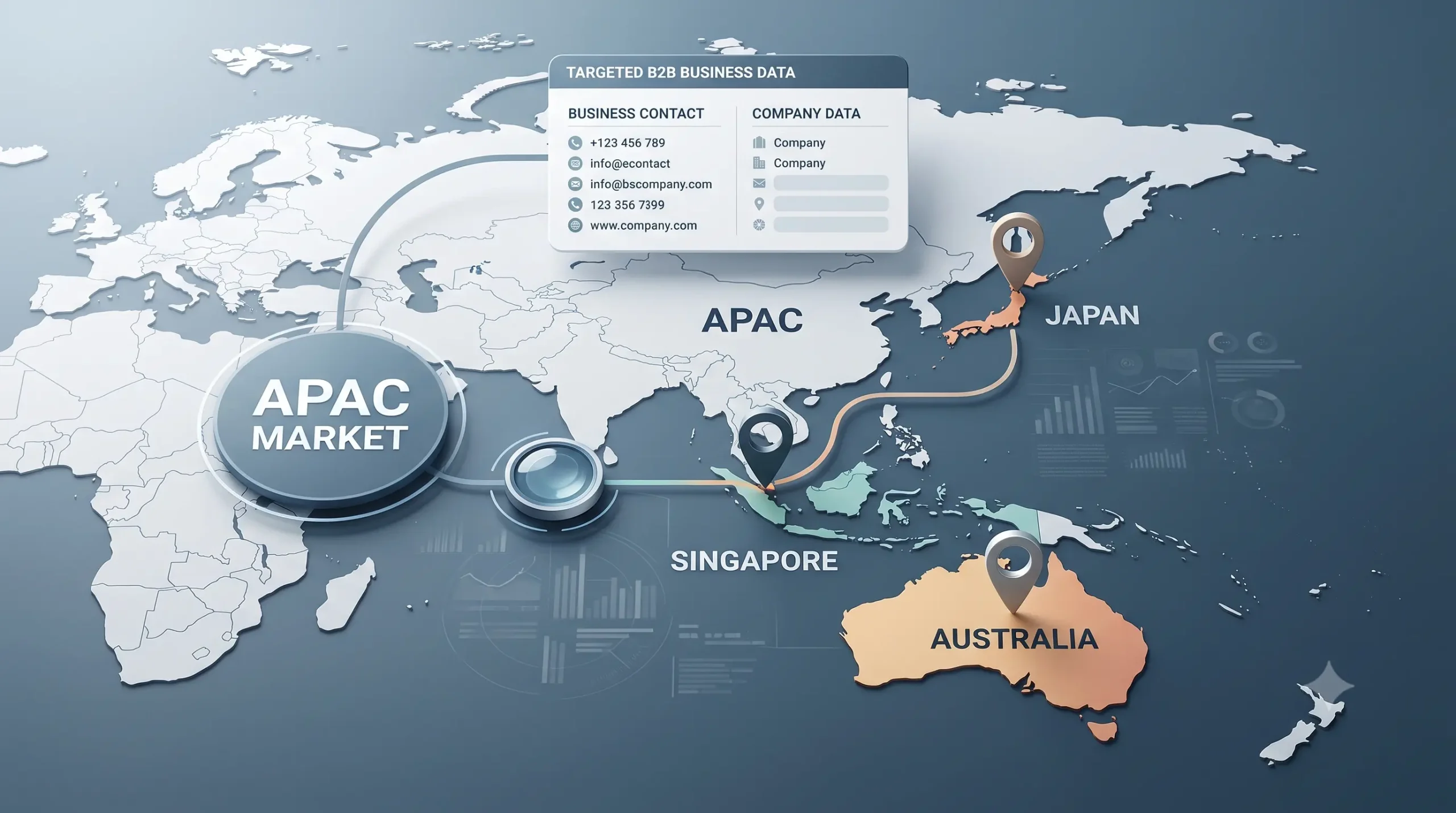
Globally, these same principles apply though the way they’re expressed varies by culture. For instance, U.S. donors often appreciate detailed impact reports and recognition events, while European and Asian philanthropists may prefer modest, private updates that emphasize shared purpose over publicity.
3. Crafting a Donor Stewardship Plan
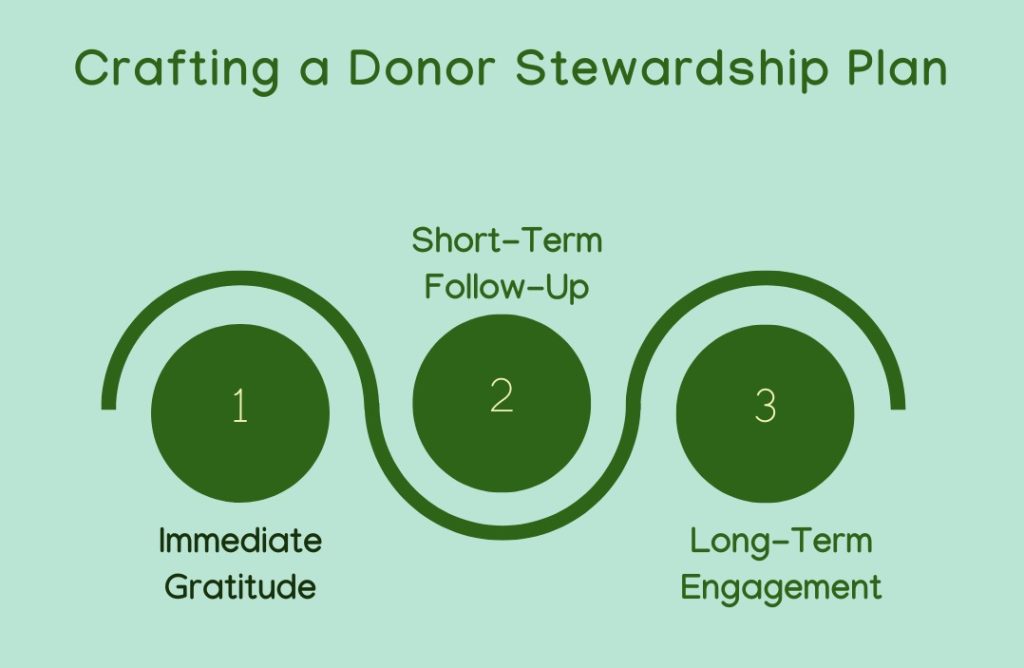
An effective stewardship plan acts as a roadmap for maintaining and deepening donor relationships after a major gift is received. It combines empathy with accountability and should be integrated into your overall fundraising strategy.
Step 1: Immediate Gratitude
Thank the donor promptly and personally within 24 to 48 hours if possible. This can be through a personal call from your CEO, a video message from program beneficiaries, or a handwritten letter from the development team. The gratitude you express immediately after a successful ask reinforces the partnership approach you established when you made the solicitation.
Step 2: Short-Term Follow-Up
Within the first few weeks, provide a confirmation of how their gift will be allocated, introduce them to the project leader or team, and share a timeline of expected results.
Step 3: Long-Term Engagement
Over the months that follow, maintain contact through updates, reports, and invitations. Regular touchpoints remind donors they are valued partners, not just financial supporters. Use a CRM to schedule these interactions automating reminders ensures consistency without losing the personal touch.
Assign stewardship roles clearly:
- Fundraising team: Communication and updates.
- Finance team: Reporting accuracy and transparency.
- Leadership: Relationship building and recognition.
4. Communication That Builds Connection
Good stewardship communication does more than inform it inspires.
Major donors expect meaningful storytelling balanced with measurable results. Share updates that combine emotion and evidence: the human stories behind the gift and the quantifiable data showing progress. A short video or visual report can often be more impactful than a long PDF filled with statistics.
Effective stewardship communication channels include:
- Impact Reports: Concise documents highlighting results, outcomes, and next steps.
- Exclusive Donor Briefings: Invite major donors to private events or webinars to hear directly from leadership or beneficiaries.
- Personalized Notes: Birthday wishes, anniversaries, or milestones simple gestures that deepen relationships.
Authenticity matters more than polish. Donors want to feel seen, not marketed to.
5. Recognition Strategies That Inspire Loyalty
Recognition is an art. It must be genuine, tailored, and respectful of donor preferences.
Public Recognition:
Events, press releases, or naming opportunities (like scholarships or programs) can be powerful motivators especially in the U.S., where public philanthropy is culturally valued.
Private Recognition:
Some donors prefer discretion. In Europe and Asia, private thank-you dinners or personalized updates are often more appropriate. Always ask donors their comfort level before publicizing their contribution.
Legacy Recognition:
Creating long-term opportunities such as endowments or inclusion in planned giving programs allows major donors to leave an enduring impact.
Avoid recognition fatigue where donors feel overwhelmed by excessive communication or ceremonial gestures. Balance appreciation with respect for boundaries.
6. Compliance and Donor Accountability
Effective stewardship isn’t just about gratitude; it’s about governance.
In the United States, nonprofits must comply with IRS guidelines for reporting restricted and unrestricted gifts. If a donor specifies how their funds should be used, the organization is legally bound to honor that restriction. Misuse can result in penalties and damaged trust.
Globally, data protection laws like the General Data Protection Regulation (GDPR) in Europe require explicit consent before storing or sharing donor data. Many U.S. states also have privacy regulations governing fundraising communication.
Additionally, organizations should uphold ethical fundraising standards such as those set by the Association of Fundraising Professionals (AFP) and Council for Advancement and Support of Education (CASE) — ensuring donor influence never compromises mission integrity.
Transparent documentation of how funds are allocated, tracked, and reported safeguards both the donor and the organization. It’s not only compliance it’s credibility.
7. Measuring Donor Retention Success
What gets measured gets improved.
To evaluate stewardship success, track key performance indicators (KPIs) such as:
- Renewal Rate: Percentage of donors who give again after their initial major gift.
- Lifetime Value (LTV): The total contribution over the relationship span.
- Engagement Frequency: How often donors open emails, attend events, or interact with your organization.
- Upgrade Rate: Donors who increase their giving amount over time.
Use CRM systems like Salesforce, Bloomerang, or DonorPerfect to analyze patterns and automate reporting. As you refine your stewardship approach and identify which donor profiles respond best to your retention strategies, you can expand your pipeline with targeted nonprofit donor lists that match your most loyal donor segments, creating a sustainable cycle of acquisition and retention. Combine data insights with qualitative feedback surveys or donor interviews reveal how supporters feel about their relationship with your organization.
8. A Global Perspective on Stewardship
In an increasingly globalized philanthropic landscape, understanding cultural nuance is vital.
- U.S. Donors: Expect transparency, recognition, and measurable outcomes.
- European Donors: Value discretion and institutional credibility over visibility.
- Asian Donors: Often emphasize relationship longevity and community harmony.
Global stewardship requires adapting tone, timing, and recognition styles while maintaining universal valueshonesty, empathy, and accountability.
Cross-border giving also introduces tax and compliance complexities. Collaborate with legal advisors or international partners to ensure that stewardship communications meet all reporting obligations in each donor’s country.
9. Conclusion
Major gift stewardship is not a phase it’s the foundation of sustainable philanthropy. By nurturing genuine relationships, maintaining transparency, and adapting to donors’ cultural and ethical expectations, nonprofits can build partnerships that last for decades.
The most successful organizations understand this simple truth: donors don’t just give to causes — they give to relationships they trust.