Sales organizations constantly balance between calling prospects from their existing CRM databases versus investing in external telemarketing lists. Both approaches have merit, but understanding when each makes strategic sense determines whether companies maximize growth opportunities or waste resources re-contacting exhausted internal lists while missing fresh prospects.
The decision between internal CRM calling and external list acquisition affects budget allocation, sales team productivity, pipeline development, and ultimately revenue growth. Many organizations over-rely on internal databases while neglecting external prospecting, creating stagnant pipelines. Others purchase external lists without properly working existing relationships, wasting money on unnecessary new data.
This guide examines the fundamental differences between CRM calling lists and external telemarketing lists, explains when each approach delivers optimal results, and provides decision frameworks helping sales leaders allocate resources strategically.
Understanding CRM Calling Lists
Internal databases contain contacts organizations have already identified or engaged with previously.
Customer records form the core of most CRM systems. These are people or companies who’ve purchased products, engaged services, or established business relationships. They represent known entities with documented interaction history.
Lead records from marketing efforts populate CRM databases. Website visitors who downloaded content, trade show attendees who stopped by booths, webinar registrants, and inquiry form submissions all become CRM contacts marketing teams hand to sales.
Prospect records include targets sales teams have identified but not yet engaged successfully. These might be companies sales representatives researched or contacts obtained through networking without formal purchases or inquiries.
Historical customer data provides relationship context. CRM systems track purchase history, communication logs, support interactions, and preferences enabling personalized outreach impossible with external lists.
Segmentation capabilities allow targeted calling. CRM data can be filtered by industry, company size, purchase history, engagement level, or countless other criteria creating focused calling campaigns.
Understanding External Telemarketing Lists
Purchased or rented telemarketing lists provide access to prospects beyond internal databases.
Compiled lists contain contact information gathered from public sources, business directories, surveys, and other data collection methods. These lists offer broad market coverage reaching prospects organizations haven’t identified independently.
Response lists include people who’ve demonstrated interest in specific product categories or services by responding to offers, making purchases, or requesting information. These tend to be more expensive but higher quality than compiled lists.
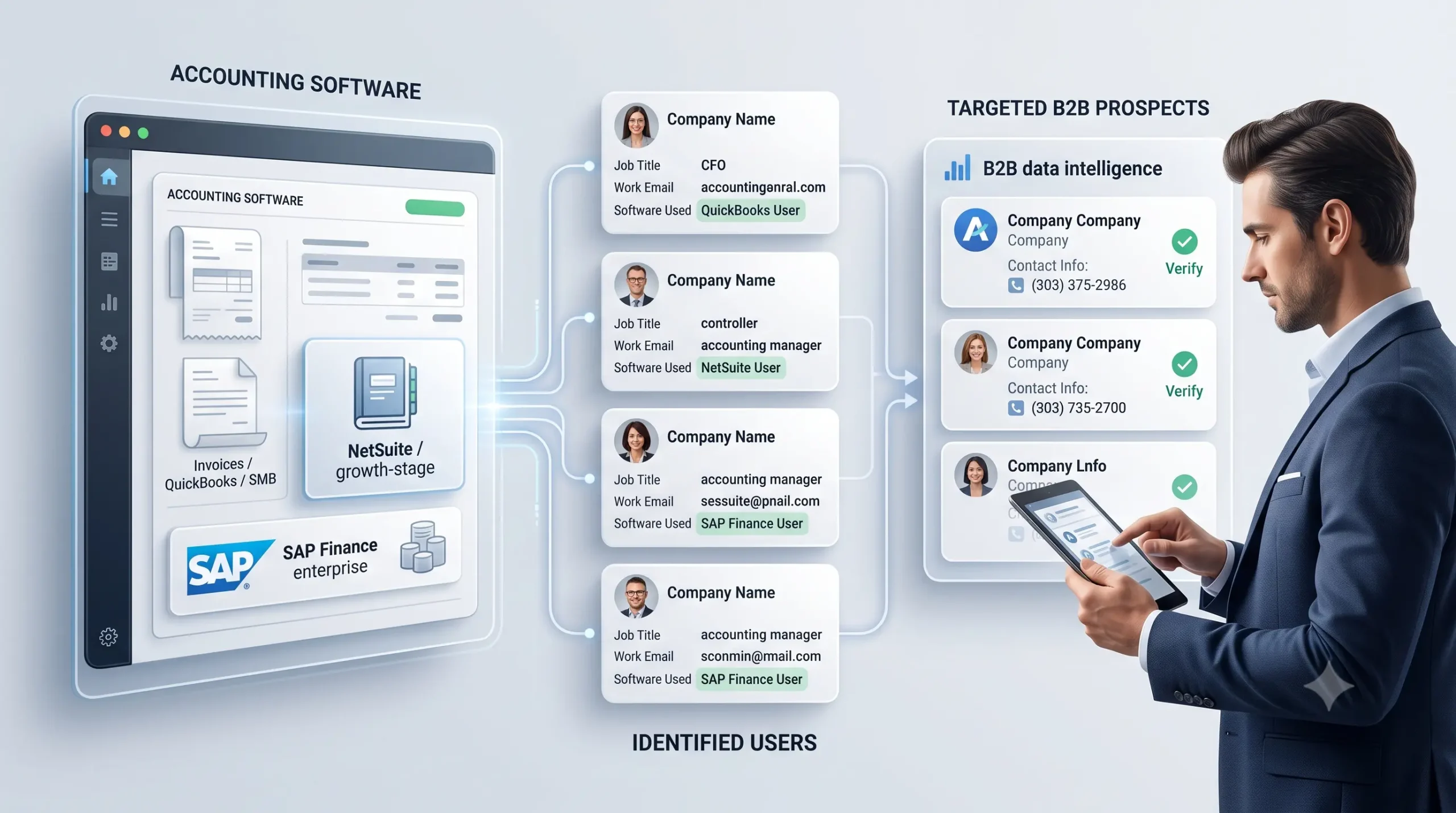
Business lists target companies and decision-makers by industry, revenue, employee count, technology usage, or other firmographic criteria. They enable precise targeting of ideal customer profiles.
Specialty lists reach niche markets difficult to identify through standard research. Finding Christian school administrators, dental practice owners, or manufacturing CFOs requires specialized list sources.
Geographic expansion lists help companies enter new markets. Organizations expanding to new regions need local contact databases their internal systems don’t contain.
Competitive customer lists sometimes become available. Companies can access lists of competitors’ customers enabling direct competitive displacement efforts.
When CRM Calling Lists Make the Most Sense
Internal database calling delivers superior results in specific situations.
Customer retention and upsell efforts belong exclusively to CRM calling. Existing customers represent the highest-value contacts. They’ve already demonstrated trust through purchases. Calling them about renewals, upgrades, or complementary products leverages established relationships external lists cannot replicate.
Relationship-based selling requires historical context only CRM systems provide. Complex B2B sales involving long cycles, multiple stakeholders, and intricate needs benefit from documented interaction history. Sales representatives calling CRM contacts can reference previous conversations, address known concerns, and personalize approaches.
Lead follow-up from marketing campaigns demands CRM utilization. When marketing generates inbound leads through content, advertising, or events, those contacts entered CRM systems expecting follow-up. Not calling these warm leads while purchasing cold external lists wastes marketing investment.
Account-based marketing targeting specific named accounts requires CRM coordination. When sales and marketing align around priority target accounts, all contacts within those organizations live in CRM. Calling these strategic targets should exhaust CRM contacts before seeking external lists.
Limited budget scenarios favor CRM calling. Organizations with constrained resources should maximize value from contacts they’ve already invested in identifying before purchasing additional data.
When External Telemarketing Lists Deliver Superior Value
Certain growth objectives require fresh external prospecting data.
Market penetration in new verticals demands external lists. Companies expanding into industries where they lack presence need contact databases. A software company selling to healthcare for the first time needs healthcare decision-maker lists their CRM doesn’t contain.
Geographic expansion requires local market data. Opening sales territories in new regions necessitates local contact lists. A company expanding from East Coast to West Coast operations needs Western prospects external lists provide.
Pipeline volume requirements may exceed CRM capacity. If sales quotas demand 100 new opportunities monthly but CRM contains only 200 total prospects, external lists become necessary maintaining activity levels.
Stagnant CRM databases signal need for fresh data. When internal contacts have been called repeatedly without success, continuing to pound the same list produces diminishing returns. New external contacts inject fresh prospects into pipelines.
Competitive displacement strategies require competitor customer data. Targeting competitors’ customer bases demands external lists identifying those relationships.
Customer profile expansion beyond current segments needs external discovery. Companies wanting to reach larger enterprises, different industries, or new buyer personas require contacts matching new profiles external lists can provide.
Testing new market hypotheses benefits from external list trials. Before major strategic pivots, testing new segments with small external list purchases validates assumptions without major commitment.
Quality Comparison: Internal vs External Data
Data quality characteristics differ meaningfully between CRM and external sources.
CRM data accuracy depends on internal discipline. Well-maintained systems contain highly accurate information. Poorly maintained CRMs become unreliable quickly.
External list quality varies dramatically by source. Premium business lists maintain 90 to 95 percent accuracy. Low-quality lists contain outdated information wasting calling time.
Contact-level detail richness favors CRM for known contacts. CRM systems capture interaction history and preferences external lists cannot provide.
Market coverage breadth favors external lists. Even large CRM databases represent tiny fractions of total addressable markets.
Cost Considerations in the CRM vs External List Decision
Financial implications extend beyond simple list rental costs.
External list rental costs run $200 to $400 per thousand business contacts. A 5,000-contact campaign costs $1,000 to $2,000 in list rental.
However, CRM calling isn’t free. Sales representative time has value. Calling exhausted CRM contacts producing minimal results wastes expensive sales capacity.
Opportunity cost of missed market coverage matters enormously. Limiting outreach to CRM contacts while competitors canvas broader markets cedes market share.
The Hybrid Approach: Integrating Both Strategies
Sophisticated sales organizations combine CRM and external list calling strategically.
Tiered calling strategies allocate representative effort appropriately. Top representatives call high-value CRM accounts. Junior representatives call external lists identifying new opportunities.
Campaign sequencing exhausts CRM segments before external expansion. Sales teams fully work CRM contacts within target segments before purchasing external lists.
External list purchases augment CRM coverage gaps. After analyzing CRM holdings by industry or geography, targeted external purchases fill specific gaps.
Append services enhance CRM records with external data. Organizations can append missing phone numbers or firmographic details to existing CRM contacts.
New contact discovery feeds CRM growth. External list campaigns that identify responsive prospects add those contacts to CRM for ongoing relationship development.
Technology Considerations for Both Approaches
Sales technology platforms affect how organizations use each data type.
CRM platform capabilities determine internal data usability. Modern CRMs enable sophisticated segmentation and activity tracking maximizing internal data value.
List import features vary across platforms. Some CRMs make importing external lists simple. Others create friction requiring manual data manipulation.
Dialing platform integration matters significantly. Sales engagement platforms integrate with both CRM systems and external list sources enabling seamless multi-source campaigns.
Deduplication across sources prevents duplicate outreach. Technology should identify when external list contacts already exist in CRM.
Compliance Implications for Each Approach
Legal considerations differ between internal CRM calling and external list usage.
Established business relationship exemptions favor CRM calling. Organizations can call CRM customers and recent inquirers even if they’re on Do Not Call Registry.
External list calling requires stricter compliance. Purchased telemarketing lists must undergo Do Not Call Registry scrubbing. Mobile numbers face TCPA consent requirements.
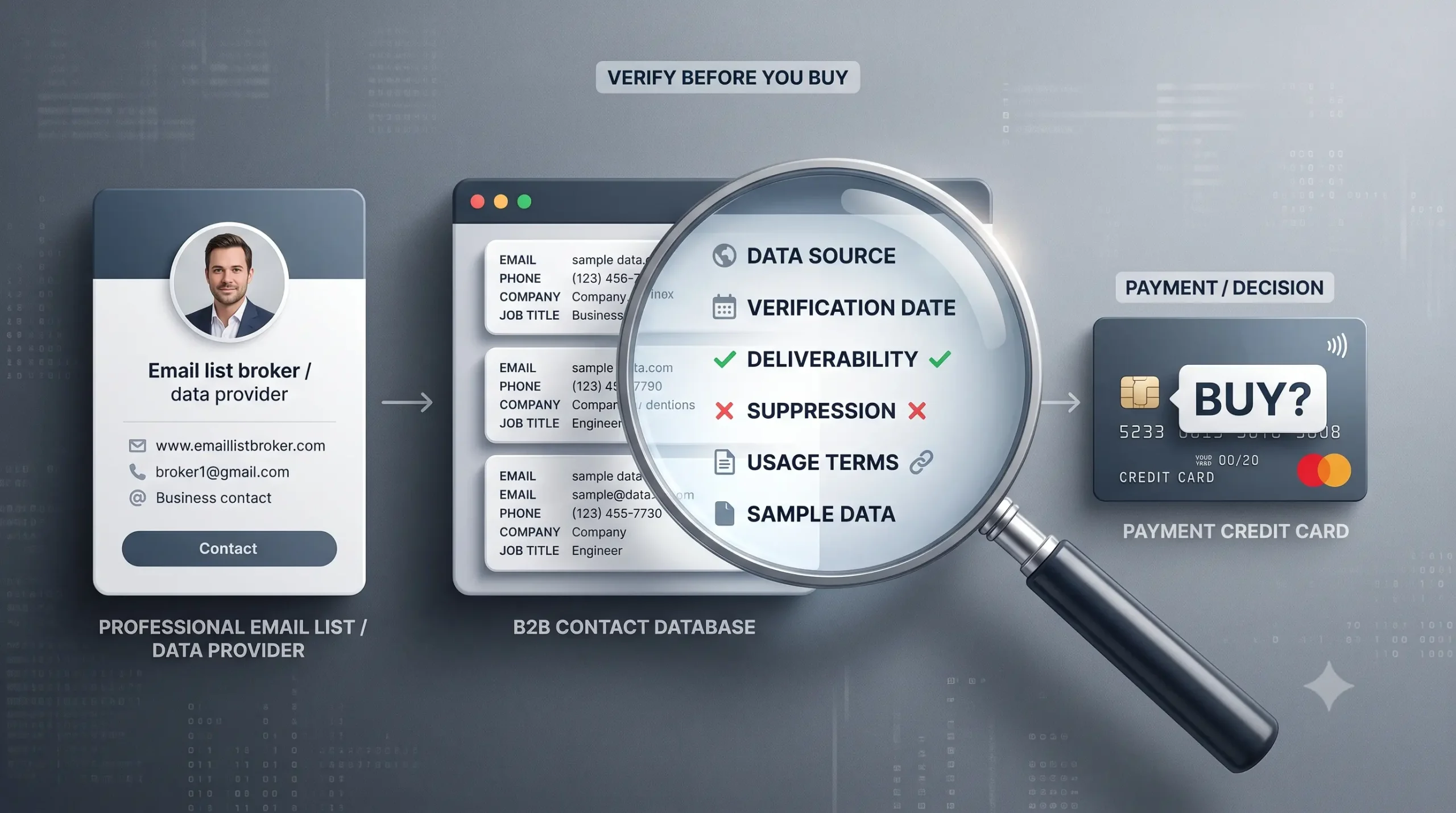
Working with experienced list brokers helps navigate compliance complexity. Brokers vet external sources while helping organizations understand established business relationship applications.
Measuring Success: Different Metrics for Different Sources
Performance evaluation should account for expected result variations.
CRM contact conversion rates should exceed external list rates significantly. Warm CRM leads might convert at 5 to 15 percent while cold external lists convert at 1 to 3 percent. These different baselines prevent unfair comparisons.
Cost per qualified opportunity calculation reveals true efficiency. CRM calling might cost less per dial but require more dials per opportunity. External lists might cost more upfront but generate opportunities faster.
Pipeline velocity from each source affects capacity planning. If CRM opportunities close 30 percent faster than external list opportunities, CRM calling produces revenue sooner despite potentially lower opportunity volume.
Customer lifetime value by source guides long-term strategy. If CRM-sourced customers have 50 percent higher lifetime value than external list customers, CRM calling deserves continued priority even with lower initial conversion.
Decision Framework: When to Choose Which Approach
Systematic evaluation prevents reactive decision-making.
CRM database health assessment reveals whether internal calling makes sense. If CRM contains fewer than 3 months of calling inventory at current activity levels, external lists become necessary.
Market coverage gap analysis identifies where external data adds value. Comparing CRM holdings to total addressable market by segment reveals under-penetrated areas.
Sales capacity utilization determines whether teams can handle both. Fully-utilized representatives might need to focus on CRM calling while under-utilized teams can incorporate external prospecting.
Strategic growth objectives drive allocation. Aggressive expansion plans into new markets require external lists. Consolidation and customer retention strategies emphasize CRM calling.
Both CRM calling lists and external telemarketing lists serve important roles in comprehensive sales strategies. The optimal approach rarely involves choosing exclusively between them but rather strategically deploying each where it delivers best results.
Organizations maximize growth by exhausting high-value CRM contacts requiring relationship selling while simultaneously reaching fresh market segments through targeted external list campaigns. This balanced approach prevents both the stagnation of over-relying on internal databases and the waste of ignoring existing relationship assets.
Ready to determine the optimal mix of CRM and external telemarketing lists for your sales organization? Work with experienced list brokers who can evaluate your CRM coverage gaps and recommend targeted business lists and consumer lists filling strategic needs.