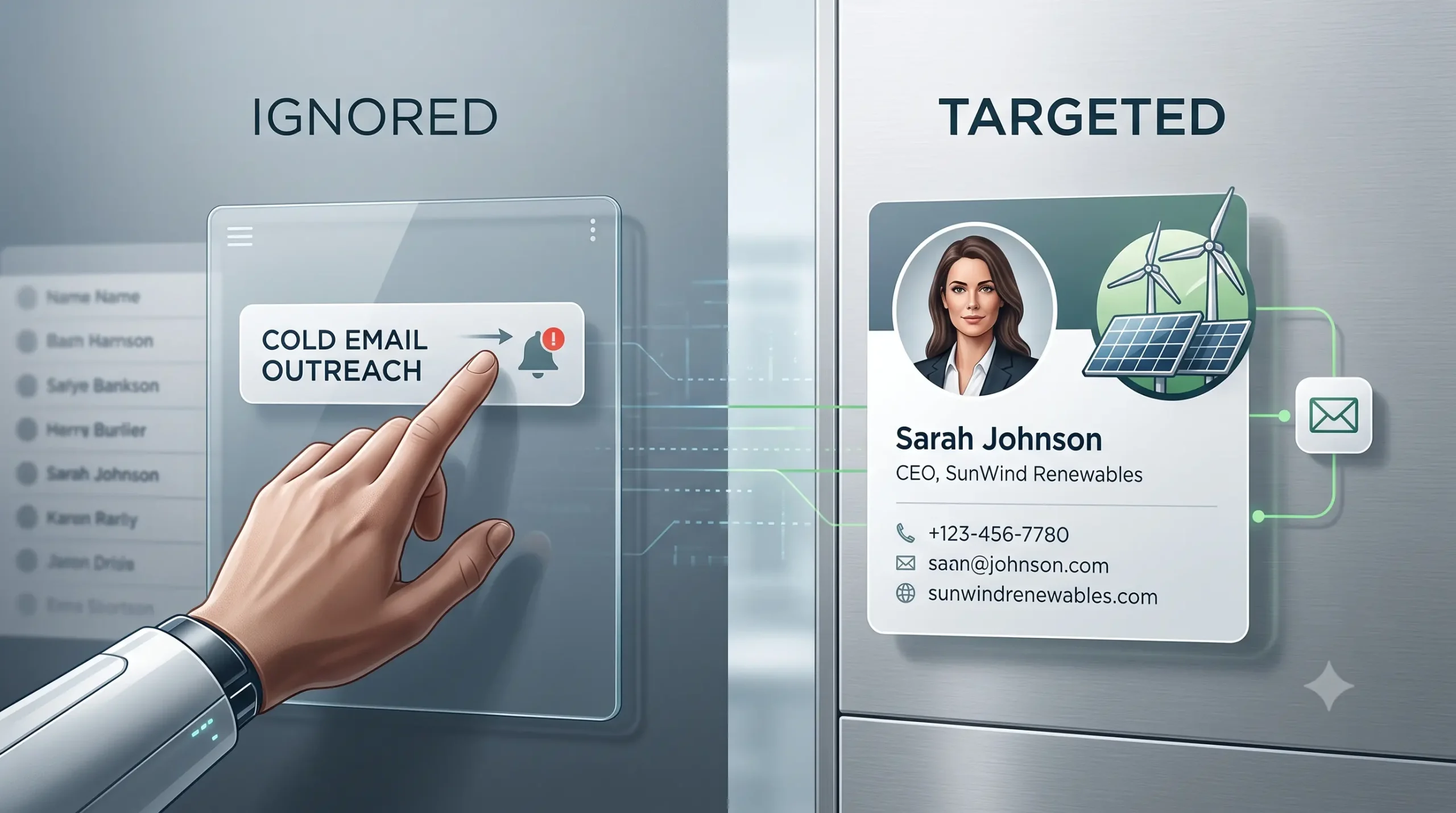
A common thread appears across B2B sales forums: “I sell software to solar developers and wind energy firms. I’ve been cold emailing for three months and my open rate is under 5%. What am I doing wrong?”
The community responses usually point to the same two root causes:
- The List: It’s too broad, stale, or targeted at the wrong job titles.
- The Channel: Cold email is being used in a high-trust sector that resists cold outreach.
Here is why these problems plague clean energy sales and how to fix your strategy.
Why Renewable Energy Resists Cold Email
Clean energy operates at the intersection of technical complexity, strict regulatory oversight, and extended procurement cycles.
Decision-makers—such as renewable energy consultants, project developers, energy procurement managers, and sustainability directors—evaluate vendors against rigid criteria: technical specs, environmental compliance, safety records, and long-term service agreements. Generic, unsolicited emails that skip this context get deleted immediately.
Additionally, as the industry has expanded, vendor volume has surged. Senior consultants and project leads face overloaded inboxes, making generic cold outreach ineffective without established credibility.
The Two Core Problems Holding Back Your Campaigns
1. The Contact List Problem
Starting with generic SIC or NAICS utility codes yields companies in the correct industry, but fails to reach the actual project decision-makers.
A high-performing list targets specific roles:
- Utility Codes: Yields corporate-level or administrative contacts with no buying power.
- Specialized Lists: Targets practitioners and consultants actively managing project specs.
- Deliverability: Fresh, role-specific contacts reduce bounce rates, protecting your domain sender reputation.
2. The Outreach Method Problem
In enterprise sectors with formal procurement, permissions matter. This is where an opt-in email list changes your results.
When contacts have consented to receive industry communications through trade publications, conferences, or professional networks, your message lands with context rather than coming across as spam.
What a High-Converting Strategy Looks Like
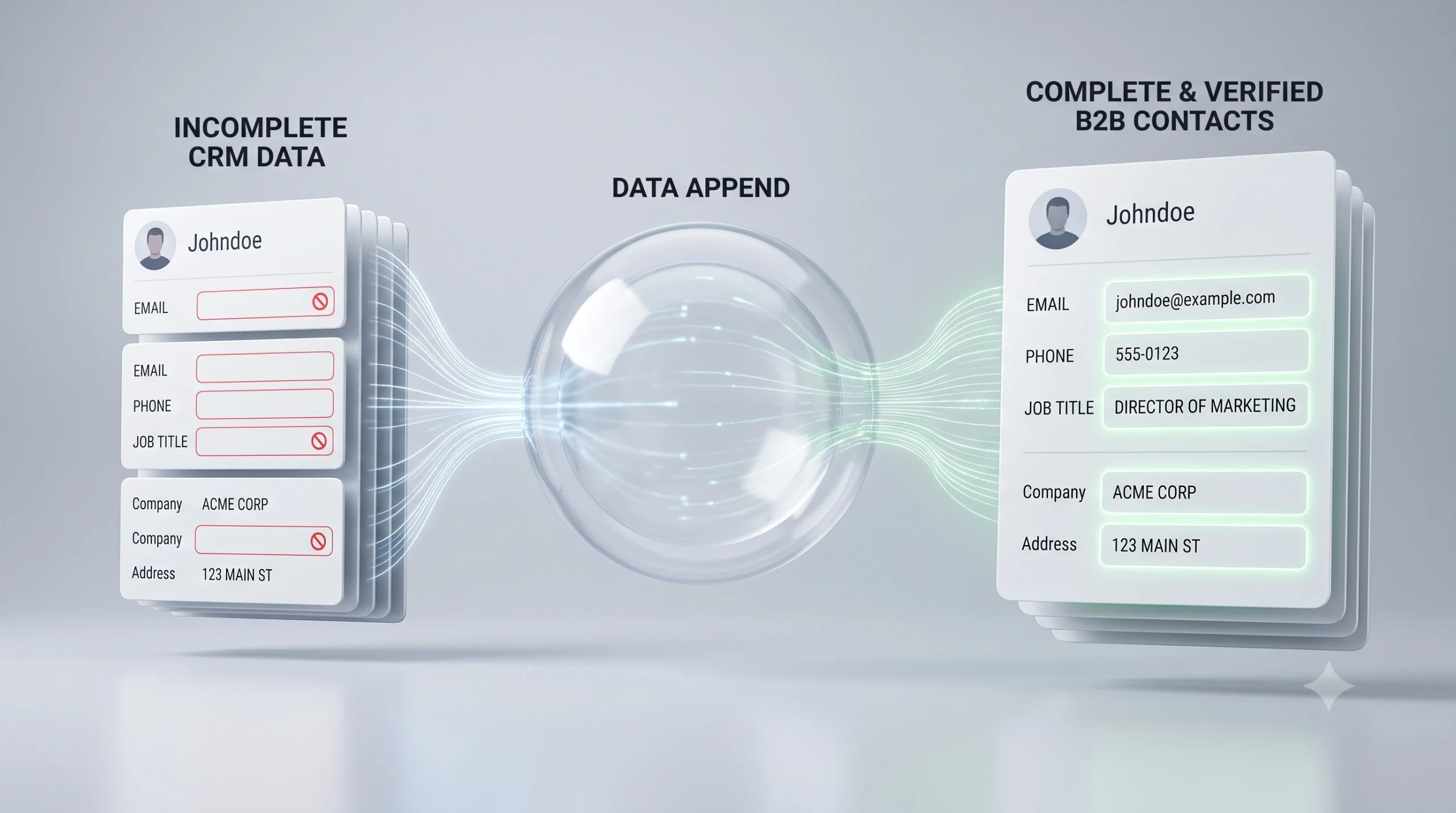
Step 1: Source Verified, Role-Specific Data
Target specific decision-makers rather than broad corporate categories. Ensure contacts are freshly verified, as rapid industry growth causes frequent job changes.
Step 2: Match Tone to Technical Standards
Frame your message around operational and technical realities:
- Lead with a specific technical or regulatory pain point.
- Reference relevant project frameworks.
- Offer a low-friction next step instead of asking for an immediate sales call.
Who Benefits Most from Clean Energy Contact Lists?
- SaaS & Software Vendors: Project management, grid optimization, and energy modeling tools.
- Equipment Suppliers: Inverters, battery storage, and specialized hardware.
- Financial & Insurance Providers: Green bond advisors, project finance lenders, and risk managers.
- Engineering & Professional Services: Firms seeking joint-venture partners for major project bids.
The Compliance Advantage
Renewable energy projects are global, bringing international privacy laws into play. Using documented opt-in email lists helps ensure compliance across key frameworks:
- US: CAN-SPAM
- EU: GDPR
- Canada: CASL
Permission-based data provides traceable consent, reducing regulatory exposure for cross-border campaigns.
Next Steps for Your Strategy
To improve your sales performance, transition from broad cold outreach to permission-based targeting:
- Build your campaign using a verified renewable energy consultants email list.
- Increase engagement and deliverability with permission-based opt-in email lists tailored for clean energy B2B outreach.