Selling into the green economy is one of the more frustrating B2B sales experiences for vendors who come from traditional industry targeting. The companies are real, they are growing, they have budgets, and they are actively buying. But the standard industry classification systems that work fine for selling to manufacturers or financial services firms produce terrible results when applied to clean energy.
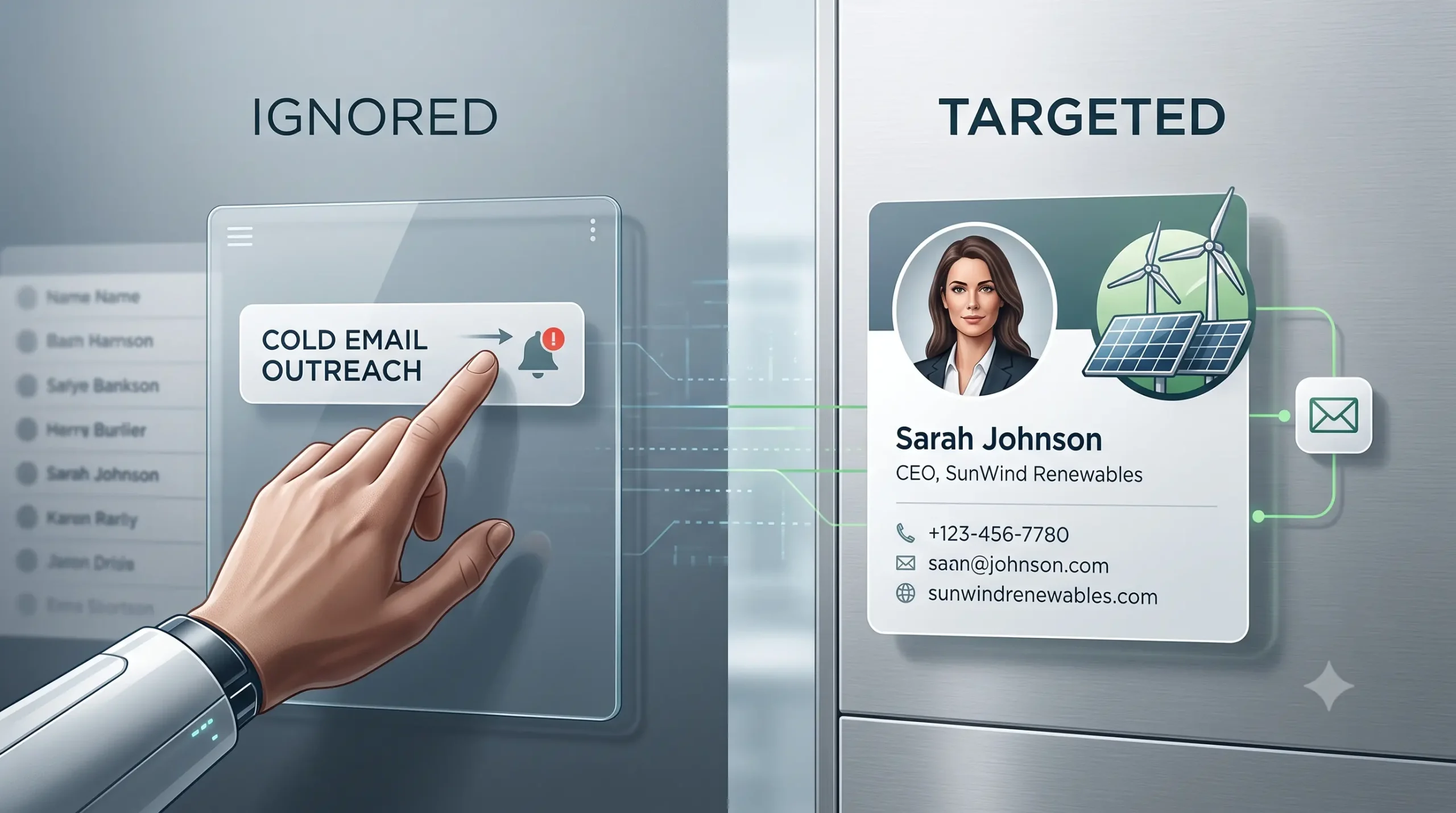
A recent LinkedIn discussion in a B2B sales community captured this well. A software vendor was complaining that their SIC-code-filtered list for “energy companies” was returning mostly utilities and fossil fuel distributors, with almost no carbon management firms or EV component manufacturers. The replies pointed to the same root cause: clean energy sub-sectors have not been cleanly mapped into legacy SIC and NAICS classification systems, which were designed before most of these categories existed as commercial markets.
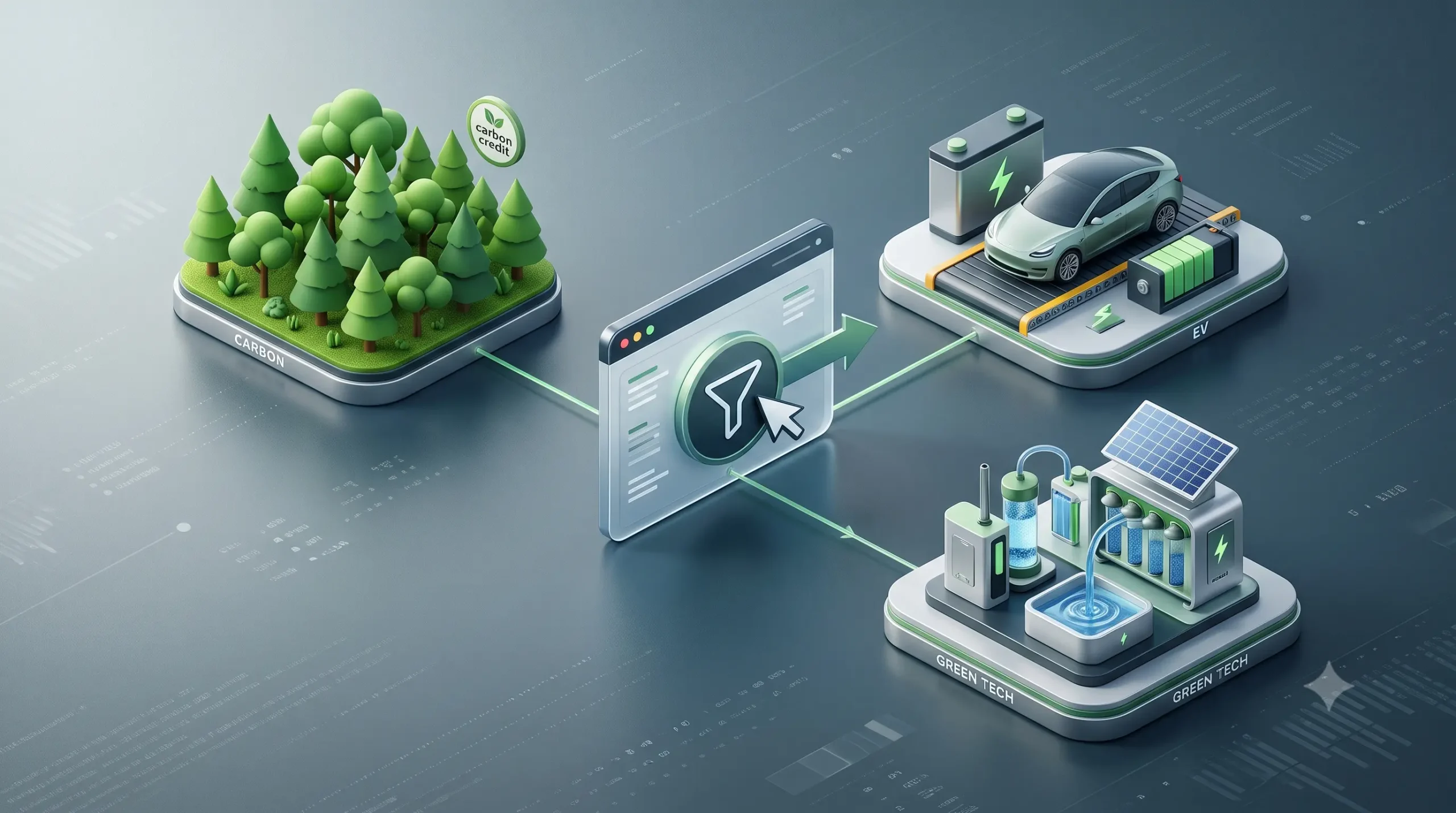
This post covers how to think about the three main green economy segments, who buys from them and why, how to build a contact list that actually reflects these modern sectors, and where the common mistakes happen when targeting carbon offset providers, electric vehicle manufacturers, and green technology startups.
Why Standard Industry Lists Fail for Green Economy Targeting
The core problem is classification lag. The Standard Industrial Classification (SIC) system was last meaningfully updated in 1987. NAICS is more current but still struggles with emerging sectors that cross traditional industry boundaries.
Carbon offset providers, for example, can be classified under environmental consulting, financial services, forestry management, or agriculture, depending on the specific offset mechanism the company uses. An EV manufacturer might be classified under motor vehicle manufacturing, electronics manufacturing, or startup technology depending on whether the data provider looked at what they make or how they operate. A green tech startup that sells grid optimization software might appear under software publishers, electric utilities, or engineering services.
The result is that a traditional industry-filtered list captures a broad swath of tangentially related companies and misses many of the most relevant targets entirely.
Forum discussions on Reddit’s r/b2bmarketing and r/CleanEnergy communities return to this problem regularly. Marketers in clean energy sectors describe abandoning SIC-code filtering in favor of company-by-company research, which is accurate but not scalable. A specialized list provider that has built a dedicated file around these sectors solves the scalability problem without sacrificing the targeting precision.
Understanding the Carbon Offset Providers Market
Carbon offsets are certificates representing the reduction or removal of one metric ton of carbon dioxide equivalent from the atmosphere. The companies that produce and sell these credits operate across several distinct categories: forestry and land use projects, renewable energy development, methane capture, industrial efficiency, and emerging technologies like direct air capture and enhanced weathering.
The companies that buy from carbon offset providers include corporations managing net-zero commitments, airlines meeting compliance offset requirements, financial institutions building ESG product portfolios, and increasingly, mid-sized companies responding to supply chain sustainability pressure from their enterprise customers.
The B2B vendors that target the carbon offset providers list sell into this sector in several ways:
- Carbon accounting and reporting software companies that help project developers quantify, verify, and report the carbon reductions their projects generate. Verra-registered and Gold Standard-certified projects require significant measurement and reporting infrastructure.
- Registry and verification services that provide third-party auditing for offset project claims. Independent verification organizations and consultants are heavily embedded in the offset supply chain.
- Financial and legal services that structure the contracts, sale agreements, and tax treatment of offset transactions. Carbon credit transactions have specific legal and accounting requirements that have generated a specialized professional services ecosystem.
- ESG data and analytics platforms that help corporate buyers evaluate the quality and permanence of offset credits before purchase. This category has grown as corporate sustainability teams have become more sophisticated about offset quality standards.
- Project development finance providers who fund the upfront costs of offset project development against future credit sales. This includes impact investors, green banks, and specialty lenders.
A Quora thread about carbon offset market opportunities from 2024 included a response from a consultant who worked in the voluntary carbon market: “The ecosystem around offset project development is surprisingly deep. Everyone focuses on the project developers, but there are dozens of supporting vendors per project. Most of them have no idea how to find each other efficiently.”
Understanding the Electric Vehicle Manufacturers Market
The EV manufacturing sector is larger and more structurally complex than most targeting strategies account for. The sector includes:
- OEM vehicle manufacturers ranging from established automakers with EV programs to pure-play EV companies. This tier includes large public companies, pre-IPO startups, and international manufacturers with US operations.
- Commercial EV manufacturers producing electric buses, trucks, delivery vans, construction equipment, and industrial vehicles. This is a faster-growing and less saturated market than consumer EVs.
- EV component manufacturers producing batteries, battery management systems, motors, inverters, charging equipment, thermal management systems, and software platforms. These companies are often industrial manufacturers that have pivoted or expanded into EV supply chains.
- EV charging infrastructure companies building networks of public and private charging stations, charging management software, and demand response systems.
- EV aftermarket and fleet service providers serving the growing installed base of commercial and consumer EVs.
The B2B vendors who target the electric vehicle manufacturers list typically sell:
- Manufacturing software and MES (Manufacturing Execution Systems) built for the production environments that EV manufacturing requires, including battery cell assembly and battery pack integration.
- Supply chain and procurement platforms that help EV manufacturers manage the complex, internationally distributed supply chains for critical minerals, battery components, and electronic systems.
- Testing and quality assurance equipment for battery performance, electrical safety, and regulatory certification testing. Every EV component requires extensive validation before it enters a production vehicle.
- Insurance and risk management services specifically designed for EV fleets, battery warranties, and the unique liability profile of electrified transportation.
- Engineering and design services that help EV manufacturers accelerate product development, including thermal simulation, battery design, and power electronics engineering.
LinkedIn discussions in EV manufacturing communities frequently surface the frustration that vendor outreach to this sector tends to be generic, treating EV manufacturers as if they have the same purchasing profile as traditional automotive OEMs. The actual purchasing decisions, especially for software, data, and services, often sit with engineering and product teams rather than traditional procurement.
Understanding the Green Technology Startups Market
Green tech startups are the most difficult segment to target with traditional list approaches because startup databases are inherently dynamic. Companies in this space are founded, pivot, raise funding, get acquired, and go public on timelines that make annual data refreshes inadequate.
The green tech startup category spans: solar and wind development software, grid management and energy storage technology, sustainable materials and construction tech, water technology and efficiency, precision agriculture and food system tech, climate risk analytics, and sustainable supply chain platforms.
The companies that need to reach green technology startups include:
- Venture capital and impact investors building deal flow in clean tech. These buyers use startup lists to identify companies at specific stages, in specific sub-sectors, and with specific technology approaches that match their investment thesis.
- Corporate venture arms and accelerator programs run by large companies that want to engage with startups whose technology could become a strategic partnership, acquisition, or pilot program.
- Professional services firms including legal, accounting, and HR services that specialize in startup clients and want to build a book of business in the clean tech ecosystem.
- Enterprise SaaS vendors selling productivity, communications, financial management, or HR tools to the startup segment. Green tech startups are still startups, and they buy the same operational software that every other startup buys.
- Talent acquisition and executive recruiting firms serving the fast-hiring green tech sector where specialized talent (battery engineers, climate scientists, grid optimization software developers) is scarce and competitive.
The Contact Quality Challenge in Green Economy Lists
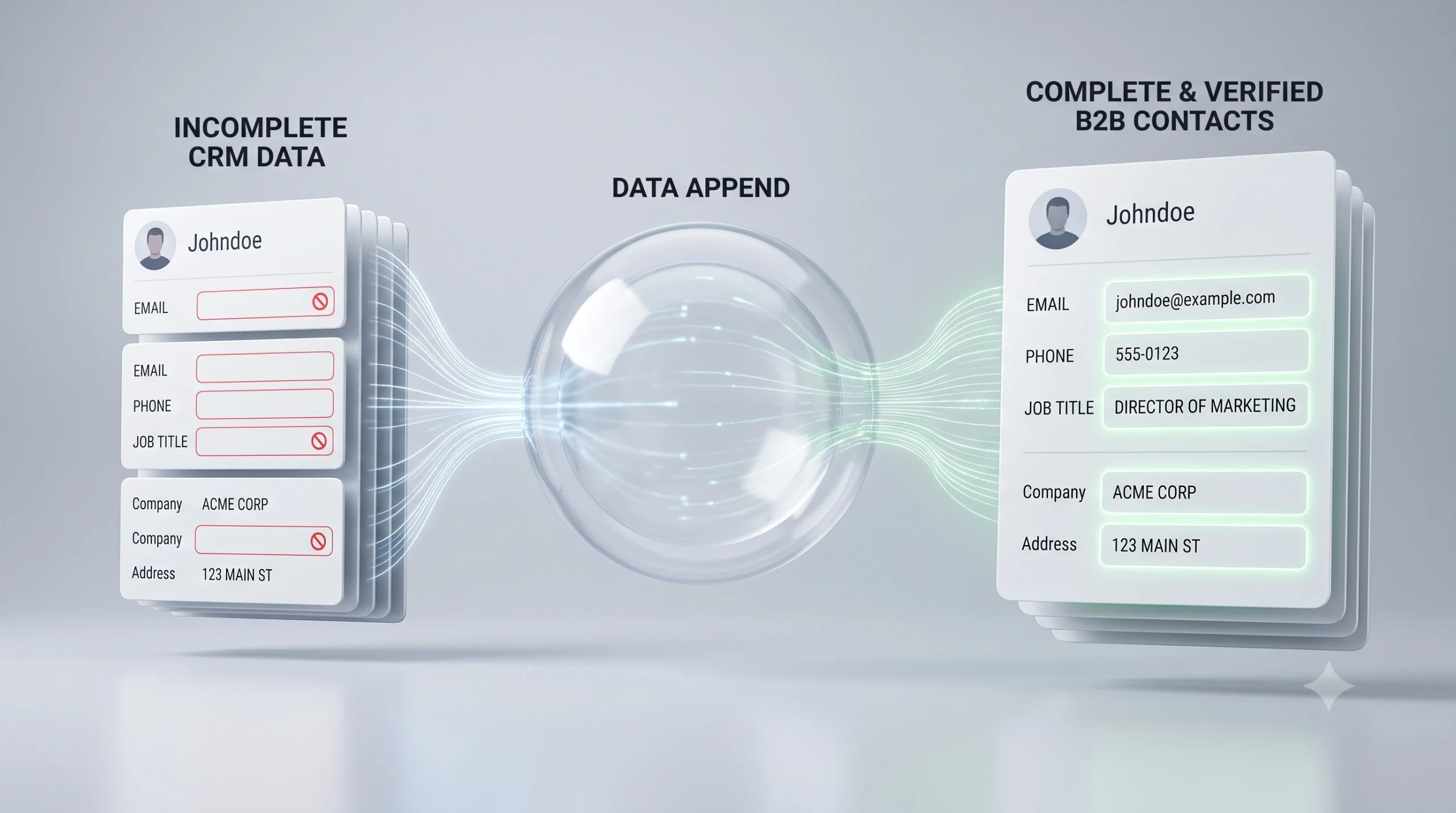
Because clean energy sectors are growing and organizationally dynamic, contact data in this space degrades faster than in mature industries. Companies hire aggressively, roles evolve, and organizational structures change as companies scale from startup to growth stage.
A carbon offset project development firm that had five employees last year might have 50 this year, with entirely different department heads. An EV startup that was pre-revenue 18 months ago might now have a full commercial and operations team. A green tech startup that pivoted its product in the past year might have shed and rebuilt its entire engineering leadership.
This dynamism means that recency of verification matters more for green economy lists than for, say, a list of established financial services firms. Any file compiled more than six to twelve months ago should be treated as requiring a verification pass before a high-stakes campaign.
For a deeper understanding of how list data is verified and what makes one provider’s verification process more reliable than another, our guide on how mailing list brokers evaluate, test, and validate third-party lists covers the specific steps a quality verification process should include.
Building a Targeting Strategy Across Multiple Green Economy Segments
For vendors whose product or service is relevant across more than one green economy sub-sector, the most effective approach is to treat each segment separately rather than merging them into a single “clean energy” campaign.
The messaging that resonates with a carbon offset project developer is different from the messaging that resonates with an EV manufacturer’s procurement team or a green tech startup’s founding team. The decision-makers are different, the pain points are different, and the sales cycle is different.
A campaign that combines a carbon offset providers list with an EV manufacturers list and a green tech startups list is most effective when each segment gets its own message, even if the underlying product being sold is the same.
The efficiency of running a single campaign against all three is appealing. The cost of using generic messaging across three audiences with distinct purchasing contexts is a response rate that underperforms what any single segment would deliver with tailored outreach.
For vendors whose budget requires prioritization, start with the segment where your product delivers the most specific, verifiable value and where the purchasing decision is most clearly defined. For most enterprise software vendors, that means starting with the EV manufacturing segment where purchasing processes are more formalized. For most services vendors, the green tech startup segment often produces faster initial conversations even if the deal sizes are smaller.
Our resource on custom lists versus off-the-shelf databases explains in detail why a segment-specific file outperforms a broad clean energy file for any campaign where the message needs to be calibrated to a specific audience.
Compliance Considerations for Green Economy Outreach
One compliance detail that affects green economy targeting specifically is the international scope of this market. Carbon offset markets are global. EV manufacturing supply chains span North America, Europe, and Asia. Green tech startups are increasingly founded in markets outside the US and are raising capital from international investors.
If your campaign reaches contacts outside the US, different regulatory frameworks apply. Canada’s CASL requires express or implied consent for commercial electronic messages. The EU’s GDPR requires a documented legal basis for processing personal data. Our resource on CAN-SPAM compliance covers US requirements, and working with a list provider who understands international compliance is important for any green economy campaign with cross-border scope.
Looking to reach verified contacts at carbon offset providers, EV manufacturers, or green tech startups? Our specialty lists for each segment are built specifically for these sectors, verified for recency, and segmentable by company stage, geography, and role. Explore our green economy specialty lists or request a custom count for your specific segment.
For broader context on why a targeted specialty list outperforms a generic industry file, read our guide on custom lists versus off-the-shelf databases. For other specialty industry lists, see our import and export company lists and our high-tech executives lists.