It shows up in sales forums, B2B subreddits, and LinkedIn comment sections on a regular basis: “I have a phone number for this prospect but I need their email. Is there a way to look it up?”
The short answer is: sometimes, with the right tools, and with caveats. The longer answer is that the method you use matters more than the result you get, because a bad process creates legal exposure and ruins deliverability even before you hit send.
Here is a clear-eyed breakdown of what actually works in 2026, what the limits are, and when it makes more sense to get the contact through a different route entirely. For a broader overview of methods, our guide to finding email addresses and phone numbers covers the full landscape in one place.
Why People Want to Find Email from a Phone Number
The scenario is more common than it sounds. A sales rep has a business card from a trade show but the email is missing. A fundraiser received a phone call from a potential donor but no email was left. A recruiter has a candidate’s mobile number from a referral but needs to send a formal message.
In all of these cases, the person already has some kind of relationship or connection. They are not cold prospecting from zero, they are trying to bridge a data gap. That context matters, because it is very different from harvesting contact data at scale with no prior relationship.
Method 1: Email Finder Tools That Accept Phone as Input
Several email finder platforms allow you to search by phone number as well as by name and company. Tools in this category include Reverse Contact, Hunter (in some configurations), and Apollo. The way these tools work is that they cross-reference the phone number against their compiled databases to see if an email is associated with the same contact record.
The accuracy of this method varies significantly. These tools work best when the phone number has been associated with a professional profile somewhere: a LinkedIn account, a business directory listing, a company website. Personal mobile numbers that have no public digital footprint are unlikely to return a match.
If you get a match, verify the email before sending. Most quality email finder tools include a verification score. Do not send to any result below 80 percent confidence without running it through a separate verification step.
Method 2: LinkedIn Reverse Lookup
If you know the phone number belongs to a specific professional, you can often find them on LinkedIn by searching their name and company, then messaging directly through the platform. This bypasses the email question entirely for initial contact and is arguably more appropriate anyway, since LinkedIn messages are expected in a professional context.
For the email specifically, once you have connected on LinkedIn, some users display their email on their profile contact section. Others do not. This route works when you are willing to make the first move through a channel the prospect is comfortable with.
Method 3: Data Append Through a List Broker or Data Provider
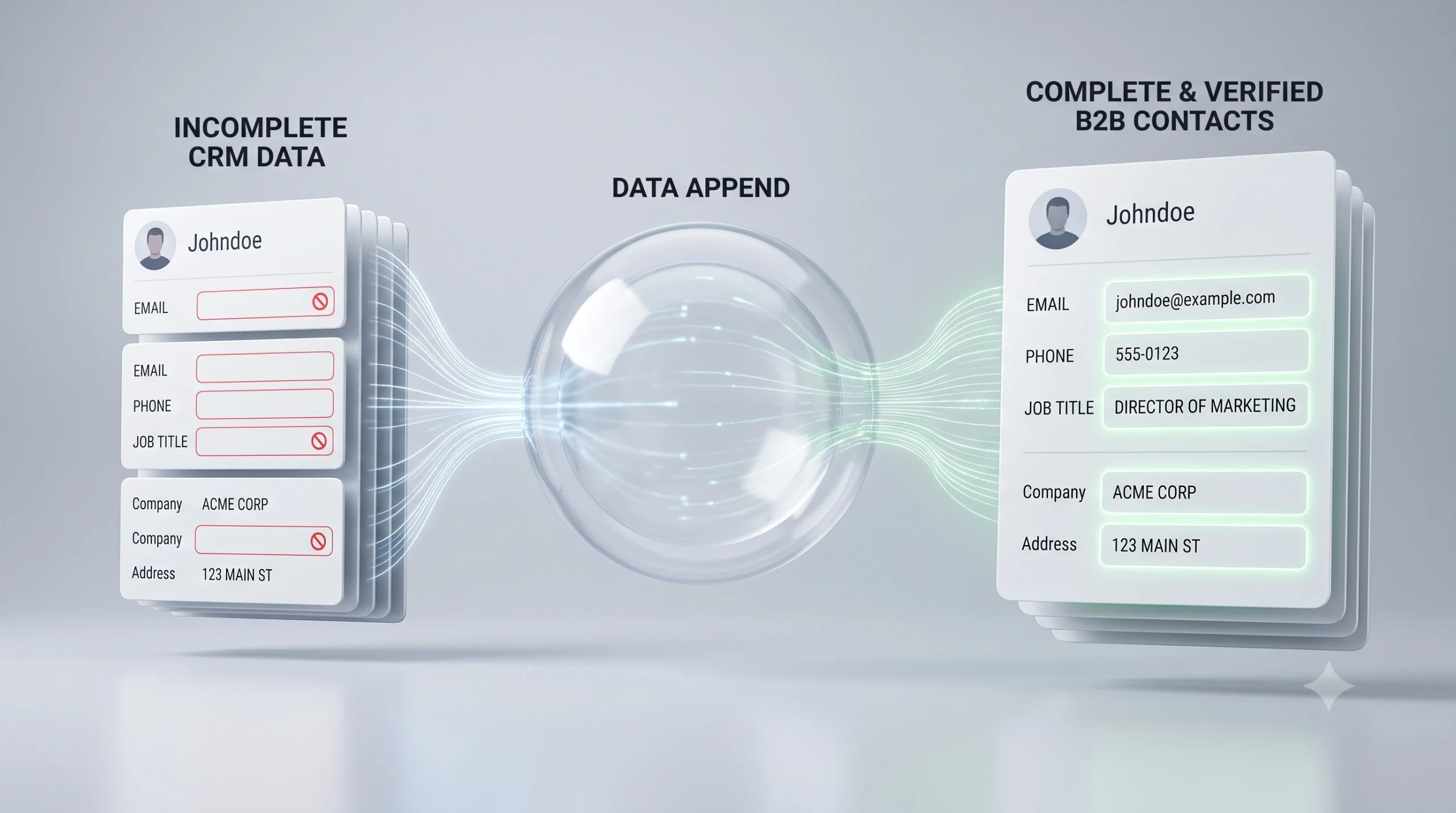
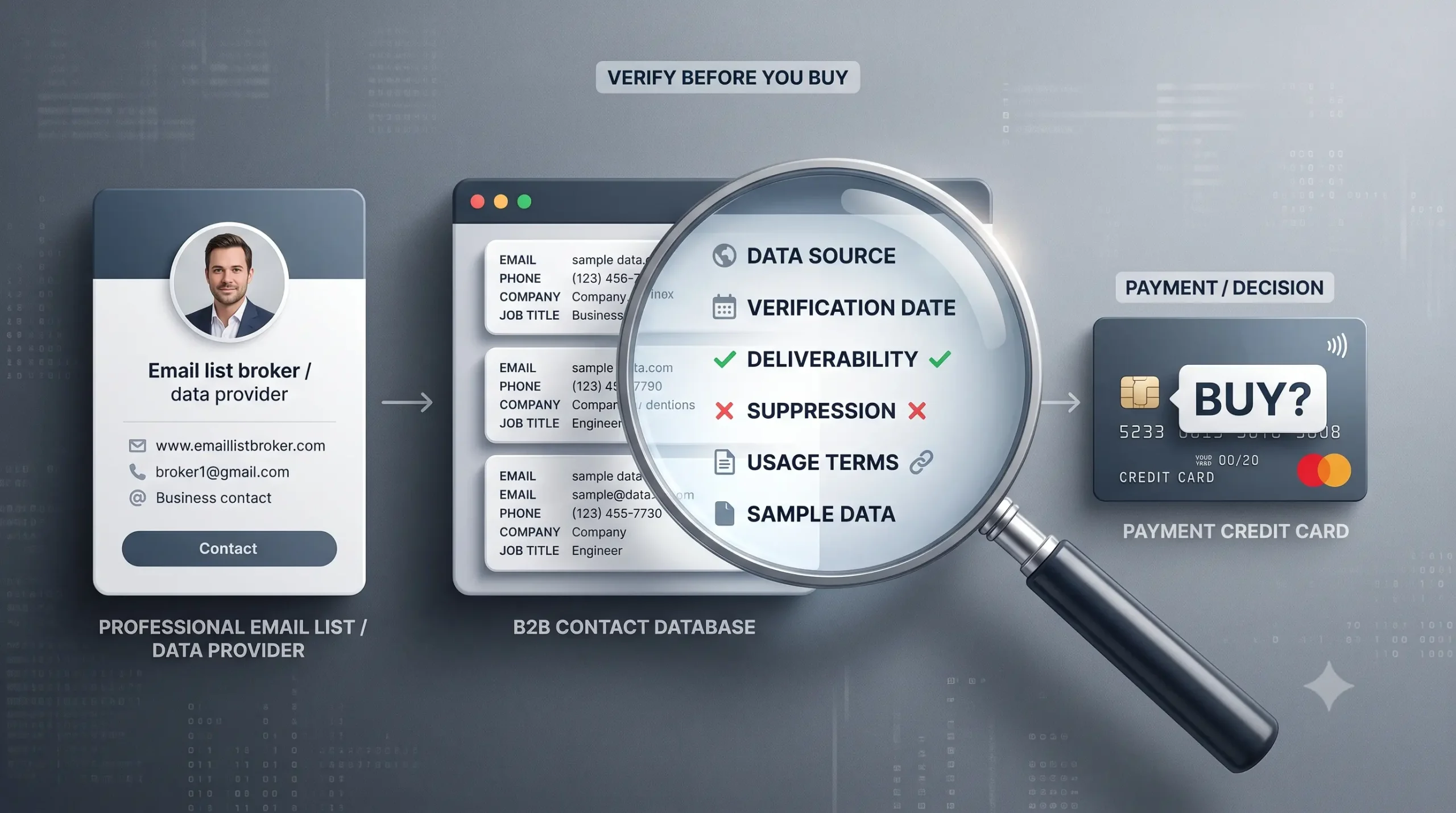
This is the most structured and most reliable approach for professional use cases. Data append is the process of taking a partial contact record (in this case, a phone number plus name or company) and submitting it to a data provider who matches it against their compiled database to fill in the missing fields, including email.
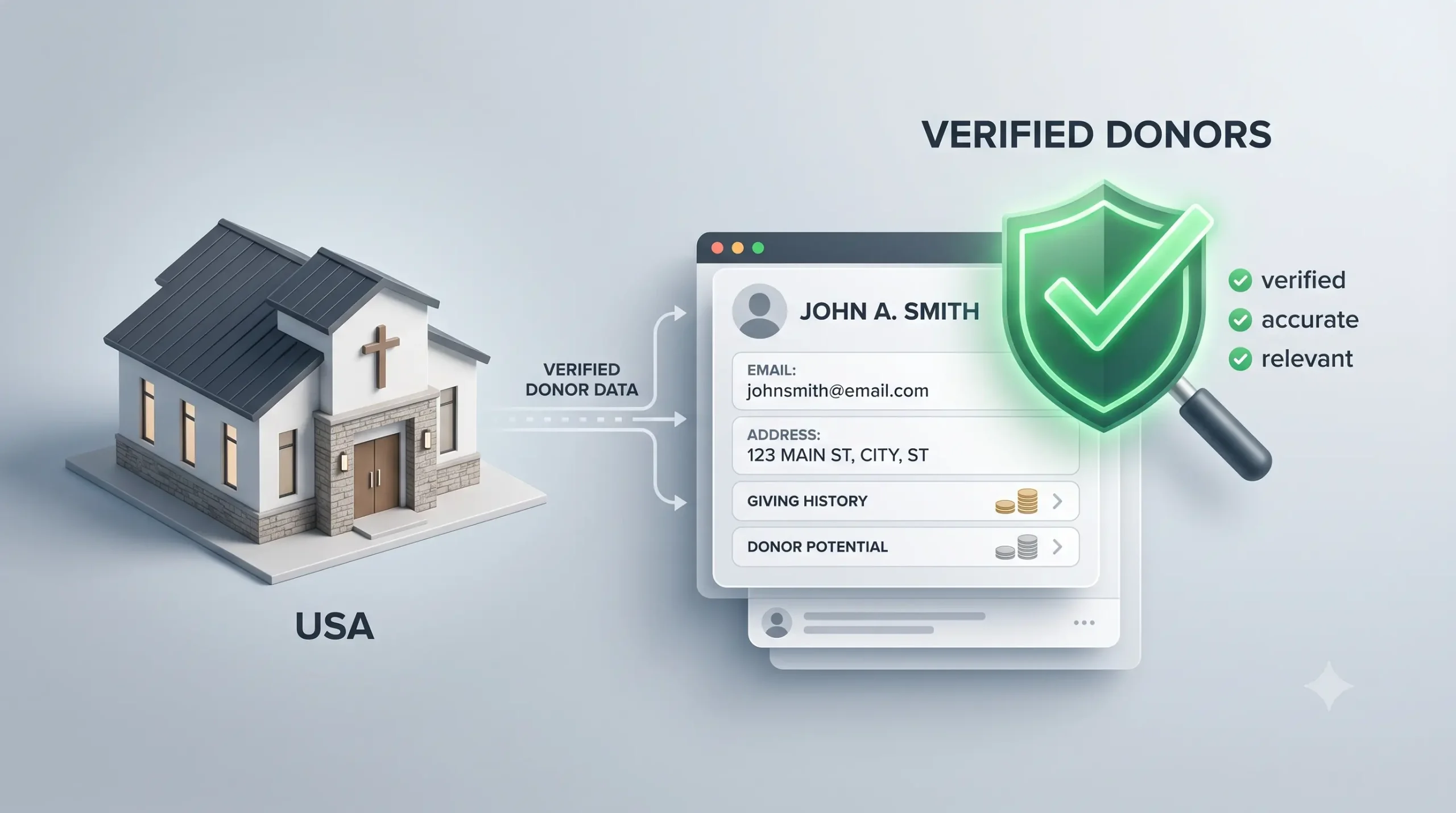
Reputable data providers source their append data from public records, business directories, opt-in sources, and licensing agreements with data compilers. The resulting email is traceable to a legitimate source, which matters for CAN-SPAM compliance, which requires that you can identify how you obtained someone’s contact information if asked.
For businesses doing this at scale, a data append service through a list broker is a far cleaner approach than trying to reverse-engineer contacts one at a time through free tools. It also produces a complete record with deliverability already vetted, rather than a single result that still needs verification.
What Does Not Work Well
Completely free reverse lookup sites. Most free reverse lookup tools are designed for personal phone searches, not professional email matching. The data quality is typically low, the match rates are poor for business contacts, and the privacy terms of some of these services are unclear.
Manual guessing based on email format. If you know a company uses firstname.lastname\@company.com, you can guess the format, but that is not the same as knowing the email exists. Sending to a guessed address increases bounce rates, which damages your sender reputation over time.
Scraping. Automated scraping of websites or directories to match phones to emails violates the terms of service of most platforms and creates compliance problems under laws like the CFAA (Computer Fraud and Abuse Act) in the US and similar statutes internationally. Our post on ethical ways to find professional contact details without violating privacy covers exactly where this line sits and why it matters for deliverability, not just legal risk.
The Ethical Line
There is a meaningful difference between finding a contact through professional tools that source data from legitimate, disclosed channels, and obtaining contact information through methods that bypass consent or disguise their source.
The ethical version of this process looks like: using a verified tool or data provider, being transparent in your outreach about how you obtained the contact, and always including a way for the recipient to opt out. The unethical version looks like: using scraping bots, purchasing unverified mass dumps, or contacting someone based on data obtained without their knowledge or through deceptive means.
The practical reason to care about this distinction is not only compliance. It is deliverability. Email platforms flag messages from senders with high bounce rates and spam complaints. If your method of finding contacts produces poor data, your campaigns suffer regardless of how good your message is.
When to Stop Doing It Yourself
If you are spending significant time trying to reverse-engineer individual contacts one by one, the economics stop making sense fairly quickly. A professional working with a list broker or data append provider can acquire hundreds of verified, deliverable contacts for the time it takes to manually chase down a handful through free tools.
The “guide to find contact details” question that comes up constantly in sales forums usually has the same answer at the bottom: for one or two contacts, use LinkedIn or an email finder. For anything at scale, read our guide on how to find B2B email addresses and phone numbers in 2026 and when to stop doing it yourself before you spend more time on the manual approach than the problem is worth.
For a full breakdown of methods for finding business email addresses and phone numbers, read our guide on finding B2B email addresses and phone numbers in 2026. For ethically sourced contact data, explore our list broker resources.