Running a ministry in the United States means you are almost always working with a small team, a tight budget, and the pressure to reach people who actually care about your cause. One of the most common questions that comes up on nonprofit forums and faith-based community boards is some version of this: “How do we find individual donor contacts without wasting money on a list that goes nowhere?”
That frustration is completely valid. The market for donor contact data has a lot of low-quality providers, and ministries are often targeted by them specifically because the faith-based fundraising sector is perceived as less sophisticated about data buying. This post is here to change that.
What Does a Contacts List for Individual Donors Actually Look Like?
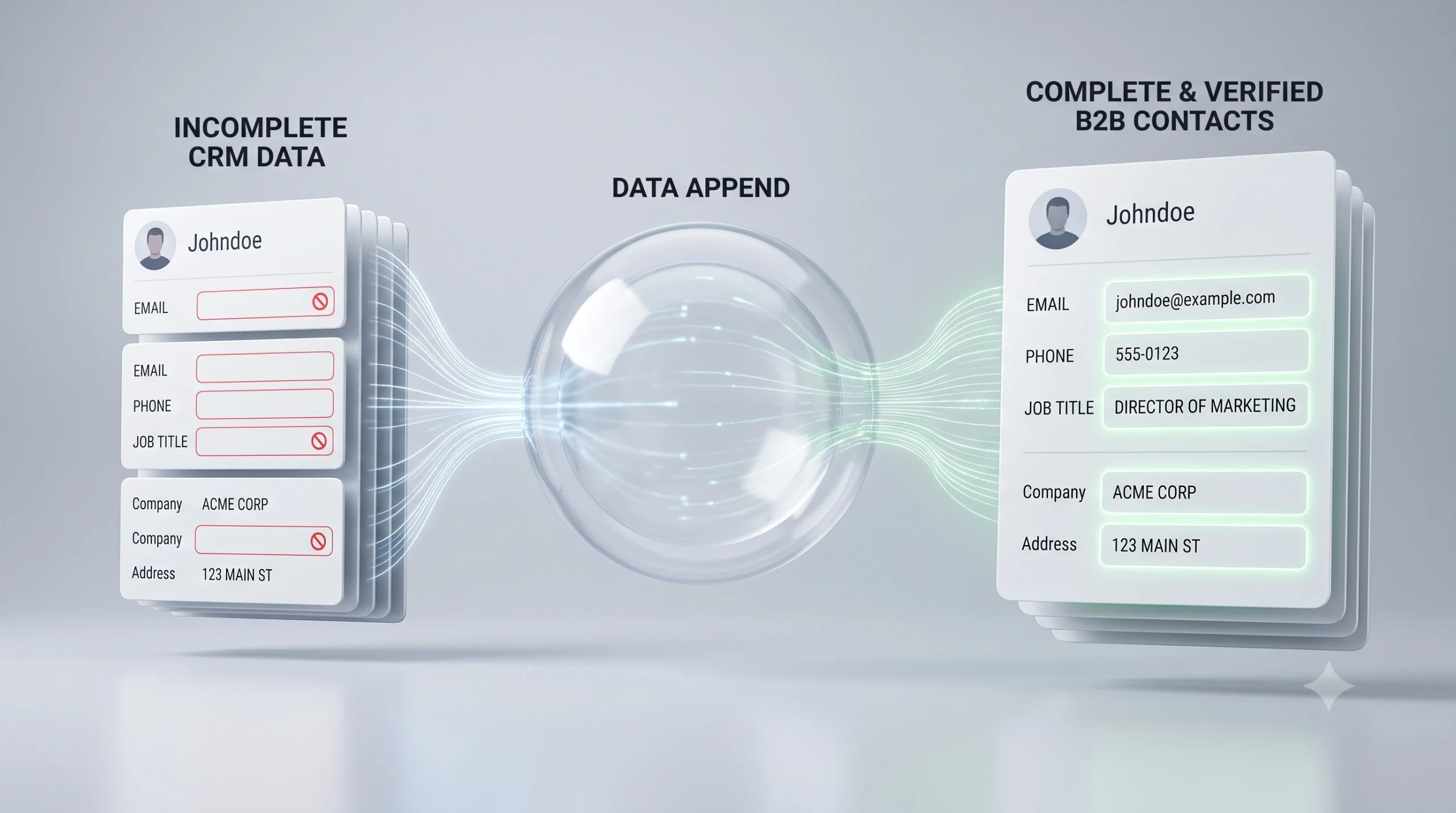
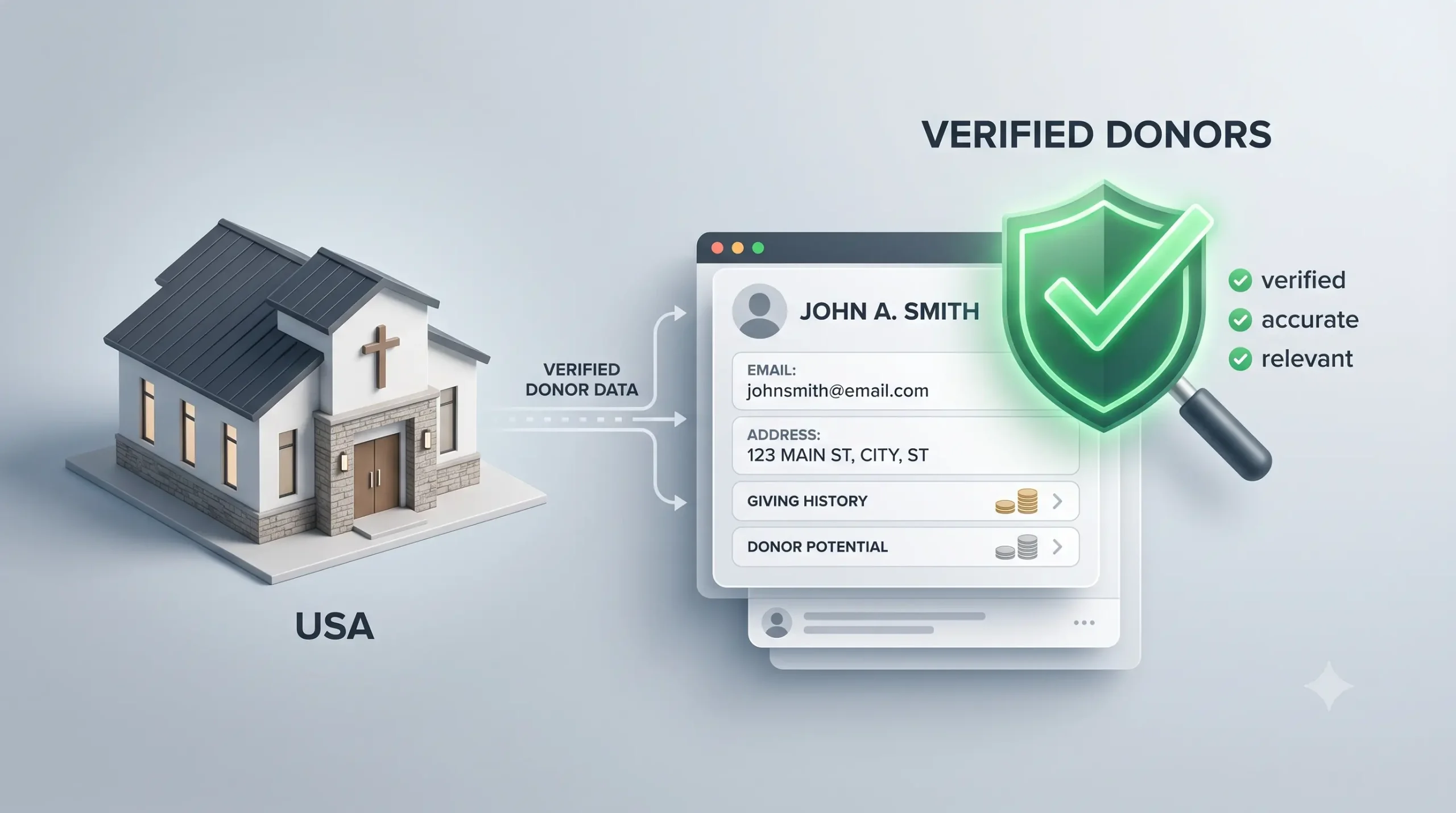
Before you spend anything, it helps to understand what you are actually buying. A contacts list for individual donors is not just a spreadsheet of names. A quality list includes fields like:
- Full name and mailing address (NCOA-processed, meaning verified against the National Change of Address database)
- Email address, often verified for deliverability
- Phone number, where available
- Giving history indicators (has this person donated to charitable causes before, and at what level)
- Wealth screening flags (income range, homeownership, investment activity)
- Religious affiliation or faith-based giving history
The wealth screening and giving history fields are what separate a useful donor contact list from a basic consumer list. A general consumer list will tell you where someone lives. A donor prospect list tells you whether that person is likely to give, and at what level. If you are still learning what goes into a quality file, our guide on how to find donors for nonprofit organizations covers this in more depth.
Why Ministries Struggle to Find the Right Donor Data
Most churches and ministries start by trying to build their donor list organically, which is the right instinct. But organic list building through church attendance, events, and word-of-mouth has a ceiling. When you need to reach beyond your existing congregation or network, you need outside data.
The problem is that the phrase “list of christian donors for ministries” pulls up a wide range of providers, some of whom are selling outdated files, unverified emails, and data that has not been cleaned in years. A list with 30 percent bad addresses does not just waste postage, it signals to mail carriers and email platforms that your organization sends to invalid contacts, which hurts your deliverability for future campaigns as well. The 7 fundraising mailing list mistakes that kill response rates covers exactly this problem and is worth reading before you buy anything.
How to Find Legitimate Individual Donor Contacts in the USA
There are a few structured ways to approach this:
1. Work with a list broker who specializes in faith-based and donor data. A reputable mailing list broker does not just hand you a file. They ask about your campaign goals, your denomination or faith background if relevant, your geographic focus, and your expected gift range. Based on that, they recommend and source a file from verified databases. The broker relationship also gives you someone accountable if the data underperforms. That accountability does not exist when you buy from a random data dump site.
2. Use a religious or faith-based donor segment specifically. Faith-based donors are a distinct segment within the broader individual donor market. Our religious faith-based donors list is compiled using sources like church directories, charitable giving records, religious publication subscribers, and faith-based organization membership files. This is very different from a generic consumer list. You want people with a demonstrated history of giving to faith-based causes, not just people who happen to live in a zip code with a high church attendance rate.
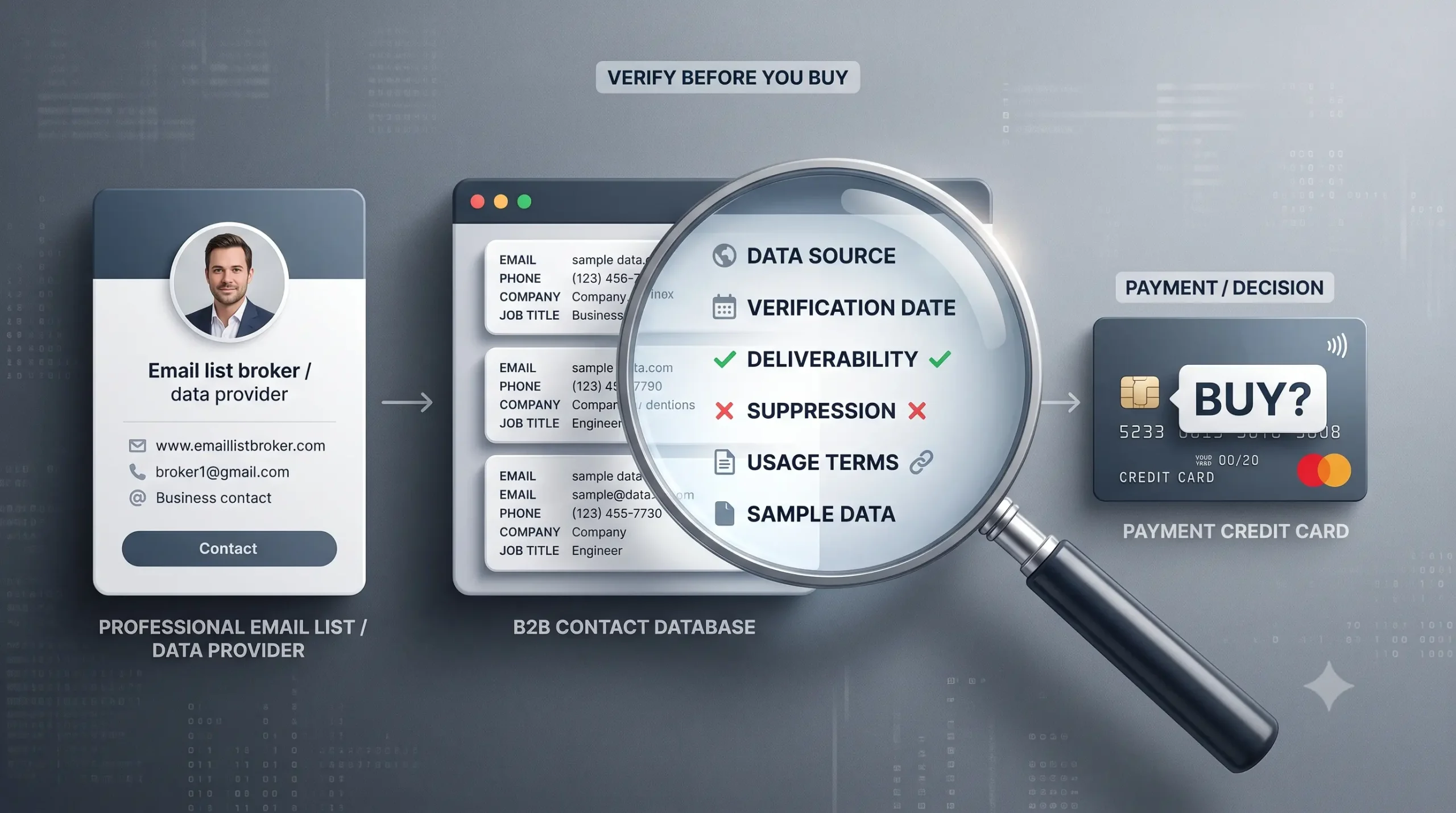
3. Ask about the data vintage and NCOA compliance before you buy. Any legitimate provider should be able to tell you when the data was last verified and whether it has been run through NCOA. In the United States, address data degrades at roughly 14 to 17 percent per year as people move. If you are mailing a list that has not been updated in 18 months, you are already working with a significant percentage of bad addresses. Keeping your data clean is an ongoing responsibility, which is why we wrote a dedicated guide on keeping your donor mailing list clean, current, and compliant in 2026.
4. Request a sample before committing to a full purchase. A sample of 100 to 200 records lets you check for obvious data quality issues: missing fields, duplicate records, addresses that fail a basic format check. If a provider refuses to provide a sample or makes the process unnecessarily difficult, that is a signal to look elsewhere.
The Geographic Question: USA-Only vs. International Church Donor Lists
For US-based ministries, the most actionable donor contacts are domestic. Giving behavior, tax incentive structures (charitable deductions under US tax law), and outreach compliance rules are all tied to geography. An international church donors list can be valuable for organizations running global mission programs, but it comes with additional considerations: GDPR compliance for European donors, different mail formats, and currency and gift processing differences.
If your ministry operates domestically, a US-only individual donor contacts list is simpler to use, easier to keep compliant, and typically delivers stronger response rates because the audience is culturally aligned with US-style fundraising appeals.
What to Do After You Get the List
A donor contact list is not a campaign by itself. The organizations that see the best results from purchased donor data treat the list as the starting point, not the finish line. Before you mail or email, you should:
- Suppress anyone already in your existing donor database to avoid redundant outreach
- Segment by giving level or geographic region if your program has regional focus
- Test with a smaller initial send before mailing the full file
- Set a follow-up plan: most donors do not respond on first contact
A well-sourced list of individual donor contacts in the USA can meaningfully expand the reach of a small ministry’s fundraising program, but only when it is used with intention. The list gets you in front of the right people. What happens after that is up to your message, your mission, and your relationship-building.
Looking for verified faith-based donor contacts? Explore our Religious Faith-Based Donors List or read our guide on how to find donors for nonprofit organizations.