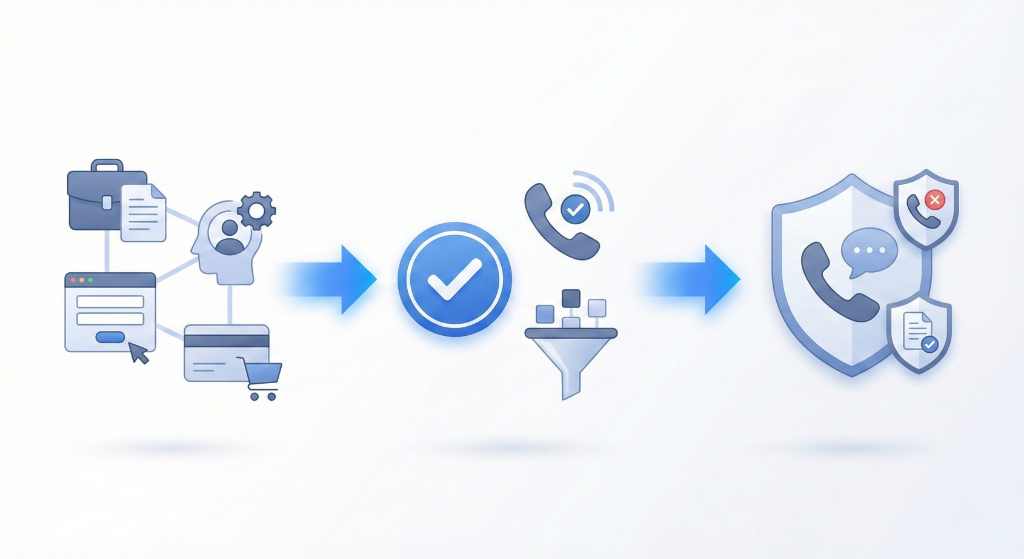
Telemarketing remains one of the most effective ways to connect directly with prospects. A phone conversation builds relationships that emails and mailers simply cannot match. But the quality of your telemarketing leads determines whether your calling campaigns generate revenue or waste time on wrong numbers and uninterested contacts.
The landscape for generating telemarketing leads has changed significantly. Data sources have expanded. Verification technology has improved. Compliance requirements have tightened. Understanding how modern telemarketing leads are created helps you choose better lists and run more successful campaigns.
This guide explains where telemarketing data comes from today, how it gets verified, and what compliance steps protect both callers and consumers.
Where Telemarketing Lead Data Comes From
Compiled Business Data
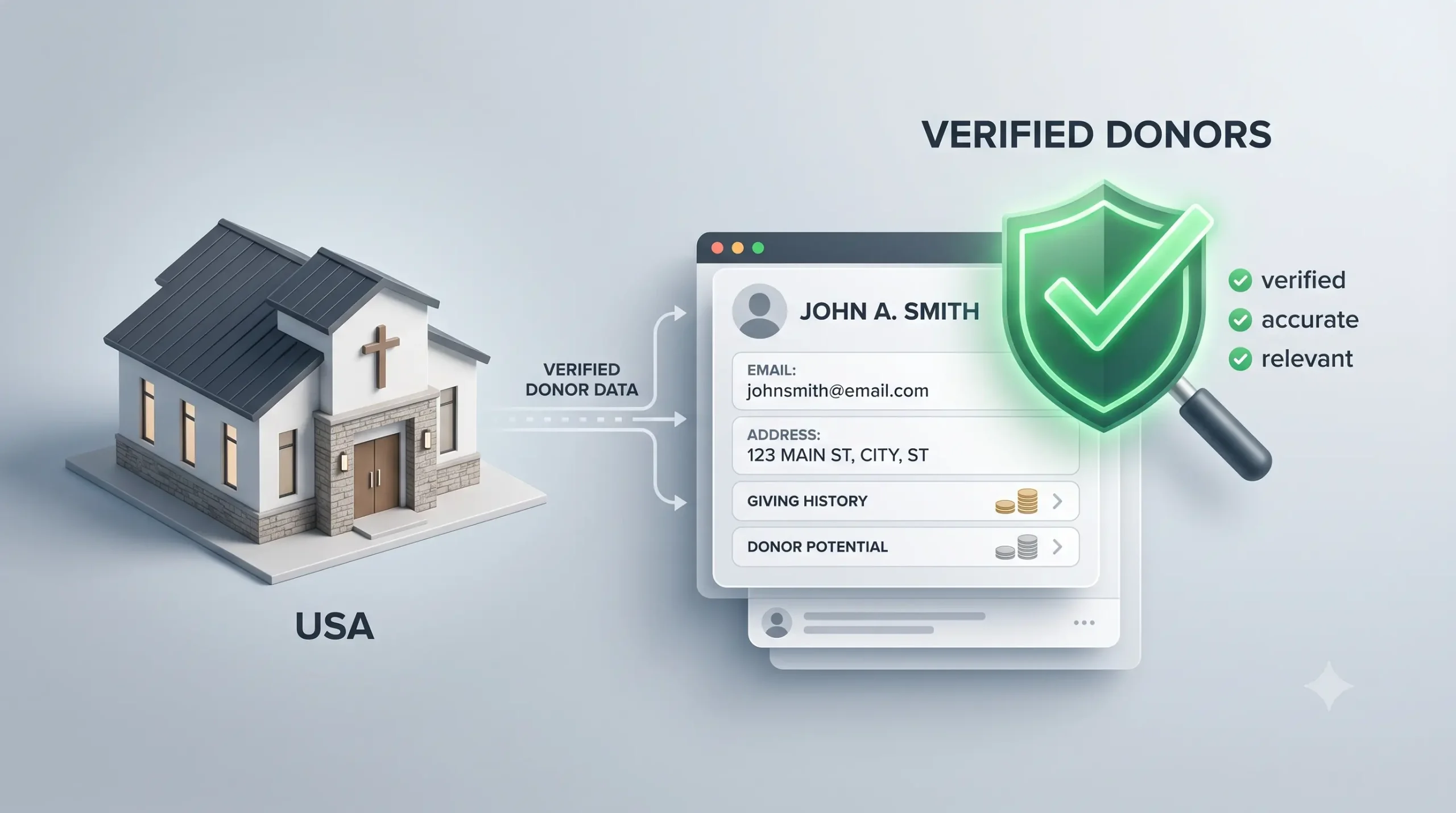
Business telemarketing lists start with compiled data gathered from public and commercial sources. Government business registrations provide company names, addresses, and basic classification information. State filings include contact details for registered agents and corporate officers.
Industry directories and trade association memberships add sector-specific information. Professional licensing boards provide data on regulated businesses like contractors, healthcare providers, and financial services firms.
Commercial data compilers enhance this foundation with information from credit bureaus, utility connections, and business credit applications. They append employee counts, revenue estimates, and executive contact names.
The result is business telemarketing lists containing company information plus direct phone numbers for decision-makers rather than just main switchboard lines.
Consumer Data Compilation
Consumer telemarketing leads come from different source types. Public records provide names, addresses, and sometimes phone numbers from voter registrations, property records, and vehicle registrations.
Warranty registrations and product surveys capture phone numbers when consumers voluntarily provide them. Subscription services, loyalty programs, and contest entries all generate consumer contact data with phone numbers attached.
Phone directories, both traditional white pages and newer digital sources, remain foundational for consumer phone data. Carriers provide subscriber information that gets compiled into marketing databases.
Social media profiles and online registrations increasingly contribute phone numbers as consumers link accounts and verify identities through mobile devices.
Response and Transactional Data
The highest-quality telemarketing leads come from response data showing actual consumer behaviors. People who called toll-free numbers to request information demonstrated interest through action. Consumers who completed online forms with phone numbers showed willingness to receive calls.
Purchase transaction data identifies buyers in specific product categories. Someone who bought insurance over the phone before is more likely to respond to insurance telemarketing again.
Subscription and membership data shows ongoing relationships. Magazine subscribers, association members, and service customers all represent warmer prospects than cold compiled names.
Inquiry data from trade shows, webinars, and content downloads captures people actively researching solutions. These prospects expect follow-up contact.
Phone Number Verification Technology
Real-Time Line Validation
Modern verification technology checks whether phone numbers are actually working before they reach your calling team. Real-time validation services ping phone networks to confirm line status.
This process identifies disconnected numbers that would waste agent time. It catches numbers reassigned to different people. It flags numbers that ring to fax machines or modems rather than voice lines.
Line type identification separates landlines from mobile phones. This matters for compliance because different rules apply to cell phone calls. It also affects calling strategy since mobile users answer differently than landline users.
Carrier and Porting Data
Phone numbers move between carriers when consumers switch providers. Porting data tracks these changes to maintain accuracy. A number that was a landline five years ago might be a mobile phone today.
Carrier information helps verify that numbers are real and identifies the current service provider. Some carriers have better deliverability than others. Numbers on certain carriers may have different characteristics affecting campaign performance.
Wireless carrier data is especially important because TCPA regulations treat mobile phones differently than landlines. Knowing whether a number is wireless before calling prevents compliance violations.
Contact Matching and Enhancement
Verification includes confirming that phone numbers actually belong to the people listed. Matching algorithms compare phone records against other data sources to validate connections.
A business phone number should match the company name in other databases. A consumer phone should appear at the listed address in multiple sources. Mismatches suggest data quality problems.
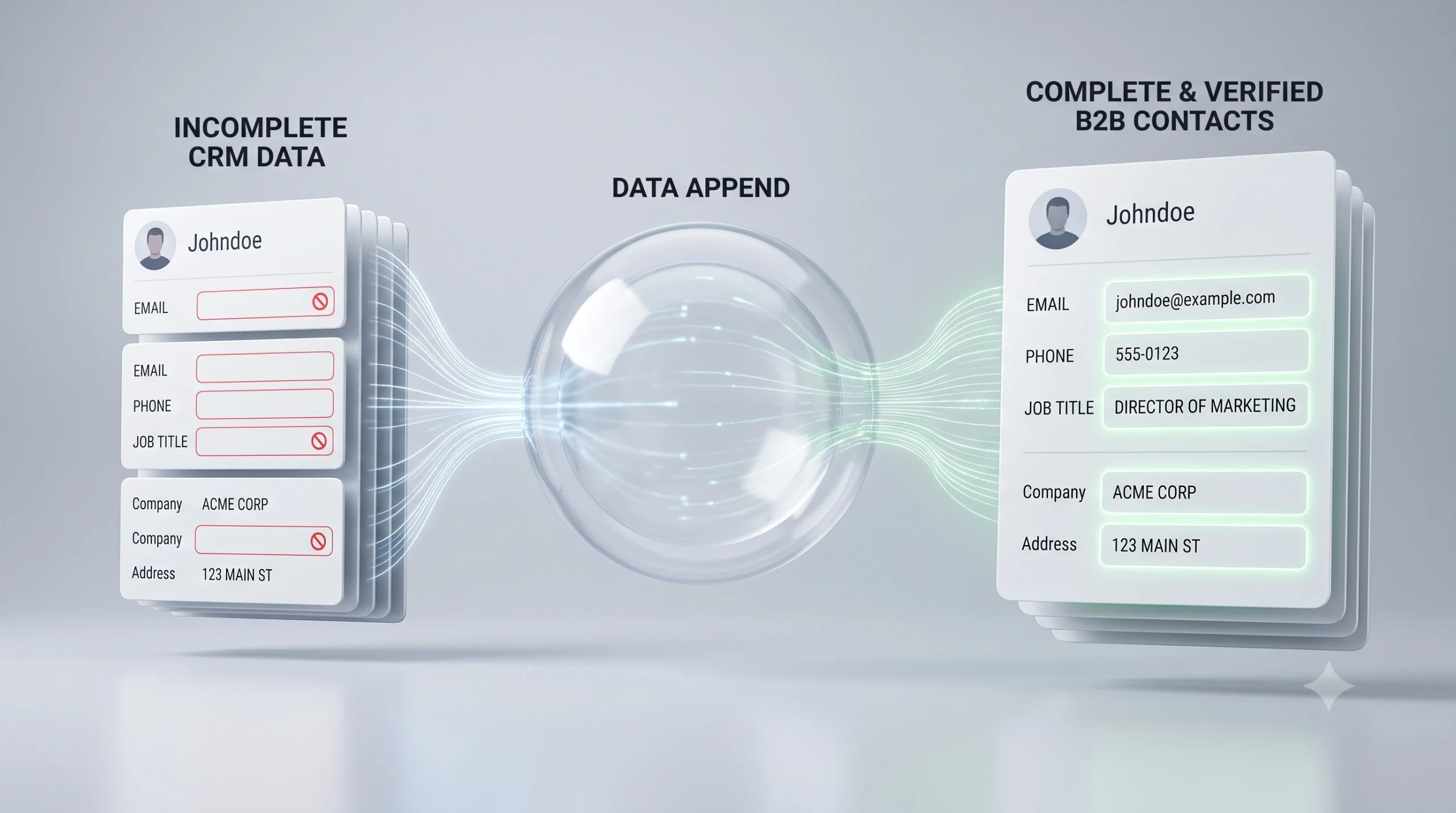
Enhancement adds missing information to existing records. A record with name and address but no phone can sometimes be completed by appending phone data from other sources. This expansion requires careful verification to ensure accuracy.
Compliance Requirements for Telemarketing in 2026
Do Not Call Registry Scrubbing
Federal law requires scrubbing telemarketing leads against the National Do Not Call Registry before making sales calls. The registry contains over 240 million phone numbers from consumers who opted out of telemarketing.
Calling registered numbers triggers fines up to $50,000 per violation. Regulators actively enforce these rules and consumers can file complaints directly.
Registry data must be accessed within 31 days before calling. Lists older than that need fresh scrubbing. Reputable list brokers provide documentation proving DNC scrubbing was completed.
State do-not-call lists add another layer. Some states maintain their own registries with additional numbers not on the federal list. Calling into those states requires scrubbing against state lists too.
TCPA Cell Phone Restrictions
The Telephone Consumer Protection Act creates special rules for calling mobile phones. Autodialed or prerecorded calls to wireless numbers require prior express consent from the consumer.
This means you cannot cold call cell phones using automated dialing systems without permission. Manual dialing by live agents remains permitted for legitimate business calls, but autodialers face strict limitations.
Prior express written consent is required for marketing calls to cell phones using automated technology. This consent must be documented and retained. Calling without proper consent creates significant liability.
Recent court decisions and FCC rulings continue shaping how these rules apply. Working with compliance-aware list providers helps navigate this evolving landscape.
Industry-Specific Regulations
Certain industries face additional telemarketing rules beyond general requirements.
Financial services calls must follow FTC guidelines on disclosures and prohibited practices. Debt collection calls have strict rules under the FDCPA. Insurance telemarketing must comply with state insurance commission regulations.
Healthcare-related calls may implicate HIPAA privacy rules depending on how the data was obtained and what information is discussed.
Robocall rules from the FCC continue tightening. STIR/SHAKEN caller ID authentication requirements affect how calls display to recipients. Calls without proper authentication may be blocked or flagged as spam.
How List Brokers Ensure Lead Quality
Multi-Source Verification
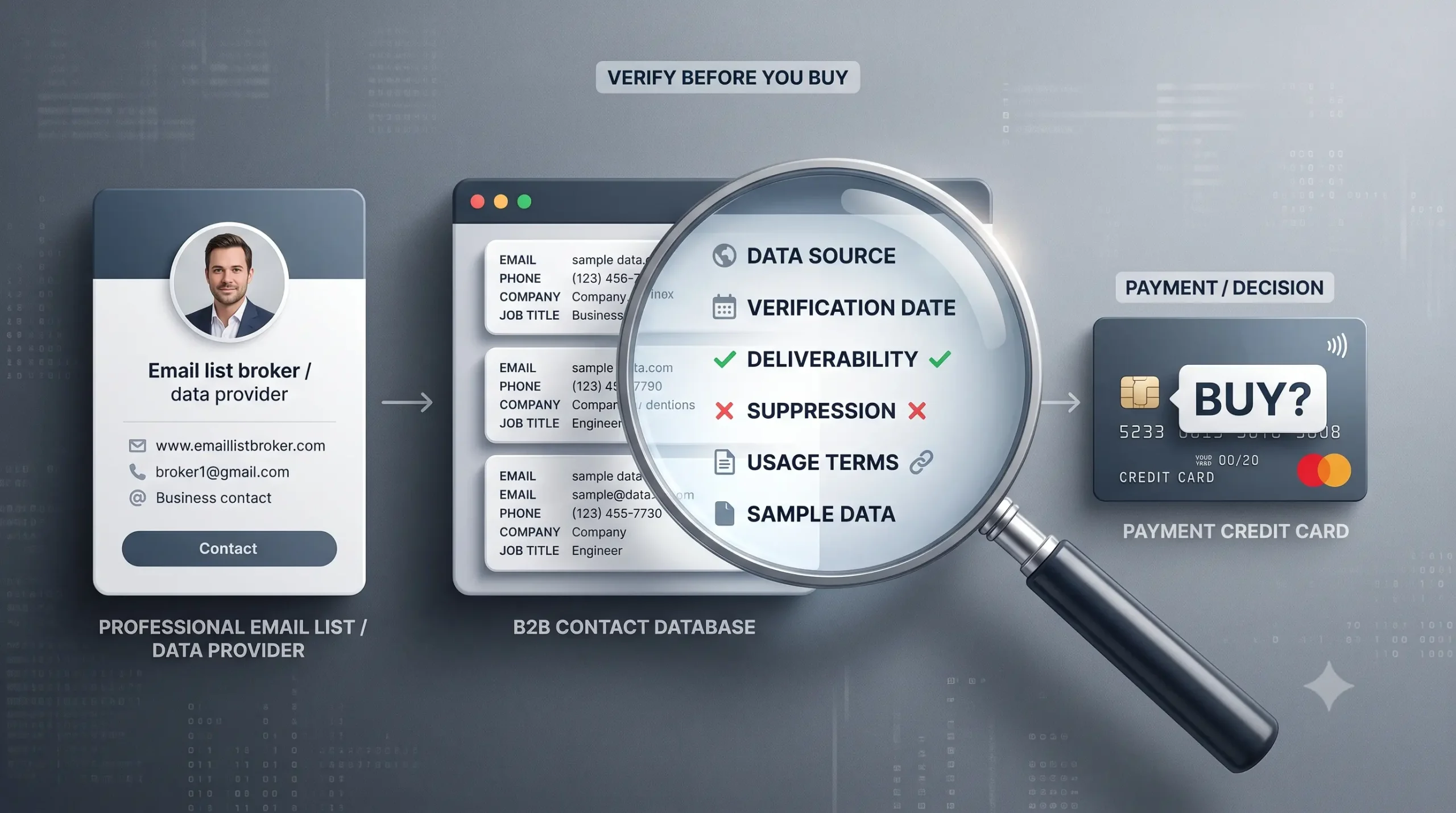
Quality telemarketing leads get verified against multiple independent sources rather than trusting single-source data. A phone number appearing in several different databases has higher confidence than one appearing in only one place.
Brokers compare compiled data against transactional data against public records. Consistency across sources confirms accuracy. Discrepancies trigger additional research or record removal.
This multi-source approach catches errors that single-source verification would miss. A typo in one database gets corrected when other sources show the correct information.
Deliverability Testing
Beyond verification, some list providers conduct actual deliverability testing. Sample calls to list segments measure how many numbers connect to live answers versus disconnects, voicemails, or wrong numbers.
This real-world testing reveals quality issues that technical verification alone cannot detect. A number might pass electronic validation but ring to a business that closed last month.
Testing data from across many campaigns helps brokers identify which sources perform best. They stop recommending sources with declining deliverability.
Ongoing Data Hygiene
Telemarketing leads degrade over time as people change numbers, move, and pass away. Quality providers implement ongoing hygiene processes rather than treating data as static.
Regular NCOA processing updates addresses which often correlate with phone number changes. Deceased suppression removes people who have passed away. Disconnected number removal catches lines that stopped working.
Monthly or quarterly refresh cycles keep data current. Lists that sat untouched for years contain far more errors than recently maintained databases.
Building Effective Telemarketing Campaigns
Matching Lists to Objectives
Different campaign goals require different telemarketing lists. Appointment setting campaigns need decision-maker direct dials. Survey research needs representative population samples. Sales campaigns need qualified prospects matching buyer profiles.
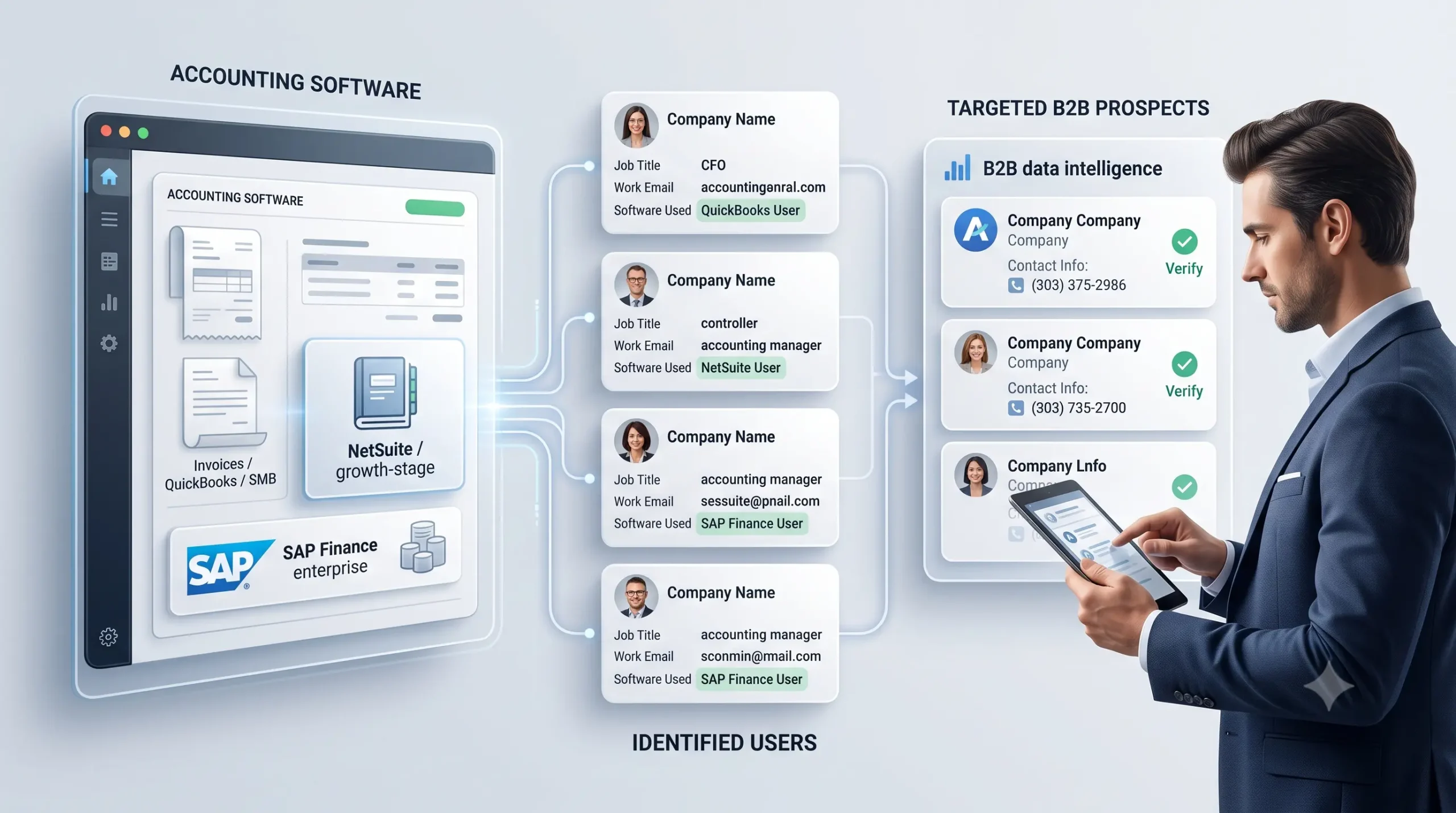
Business telemarketing lists should include job titles and direct extensions when calling to sell B2B products. Reaching the CEO directly works better than navigating through gatekeepers.
Consumer telemarketing lists should match demographic and behavioral filters to your offer. Calling people who cannot afford your product wastes time for everyone.
Integrating With Other Channels
The most effective outreach combines telemarketing with other channels. A direct mail piece followed by a phone call generates higher response than either channel alone.
Multi-channel lists provide mailing addresses, phone numbers, and sometimes email addresses for the same contacts. This enables coordinated campaigns where each touch reinforces the others.
Warm calling to people who received your mail first produces better conversations than pure cold calling. They recognize your company and understand your offer before the phone rings.
Measuring and Optimizing Results
Tracking campaign metrics reveals which lists perform best. Contact rate shows how many numbers reach live answers. Conversion rate shows how many conversations produce desired outcomes.
Comparing results across different list segments identifies your best sources. Perhaps one compiler’s data reaches decision-makers more effectively. Maybe certain demographic filters improve response rates.
This intelligence feeds back into future list selection. You order more of what works and eliminate what doesn’t.
Working With Experienced List Brokers
Generating quality telemarketing leads requires access to multiple data sources, sophisticated verification technology, and deep compliance expertise. Individual companies rarely have these capabilities in-house.
Mailing list brokers maintain relationships with dozens of data compilers and list owners. They know which sources provide the most accurate phone data for different applications. They handle compliance scrubbing and documentation.
Brokers spread verification and compliance costs across many clients, making professional-grade data economically accessible. They track performance across campaigns to identify sources worth recommending and sources to avoid.
Get Quality Telemarketing Leads for Your Next Campaign
Successful telemarketing starts with accurate, compliant contact data. Poor quality leads waste agent time, frustrate prospects, and create compliance risk. Quality leads connect your team with real people who might actually buy.
Browse our telemarketing lists to see targeting options for business and consumer campaigns. Or contact our team to discuss your specific calling objectives. We’ll recommend lists that match your target audience and meet compliance requirements, so your agents spend time selling rather than dialing dead ends.