You buy a business list. 10,000 manufacturers. 5,000 healthcare providers. 3,000 retail operations. The targeting looks solid: right industry, right company size, right geography.
Your team launches the campaign. And the results? Mediocre. Response rates barely hit 2%. Conversion rates languish around 1%. The ROI is marginal at best.
So you chalk it up to “direct marketing doesn’t work anymore” or “our offer needs refinement” or “the timing was off.”
But here’s what actually happened: you marketed to the entire list the same way, treating a 50-employee family-owned manufacturer the same as a 500-employee division of a public corporation. You called recently-hired purchasing managers with the same pitch as 20-year veterans. You targeted stable, satisfied businesses the same way as rapidly growing companies desperately seeking solutions.
You ignored the hidden segments.
Within every business list even well-targeted ones exist micro-segments that convert at dramatically different rates. Some segments respond at 1-2%. Others deliver 10-15% response rates with the same offer, same creative, same messaging.
The difference? These high-converting segments have characteristics that make them significantly more likely to buy right now. They’re experiencing growth pains. They just hired someone tasked with solving the problem you solve. They recently received funding and have budget to spend. They’re using technology that integrates with your solution.
But most marketers never identify these segments because they’re not obvious. They require deeper data, sophisticated analysis, and expertise that goes beyond basic list rental.
Let’s reveal the hidden segments inside business lists that sophisticated marketers use to drive conversion rates that leave competitors wondering how they do it.
Why Hidden Segments Exist And Why They Convert Better
Before we dive into specific segments, let’s understand the underlying principle:
Not all businesses are equally ready to buy at any given moment.
Even within your ideal customer profile, some companies are in active buying mode while others are satisfied with current solutions. Some just received budget approval while others are in spending freezes. Some are experiencing the pain your solution solves acutely today while others will face it next year.
Traditional business list selection focuses on demographic firmographics industry, size, location. These are necessary but insufficient. They tell you who could buy, not who’s likely to buy soon.
Hidden segments add layers of behavioral, temporal, and situational data that reveal buying readiness. Companies in these segments:
- Have recent changes creating immediate needs
- Show behavioral signals indicating active research
- Experience growth requiring new solutions
- Face regulatory or competitive pressures demanding action
- Possess budget availability and decision-maker authority aligned
Marketing to these segments isn’t about better creative or more aggressive offers. It’s about timing reaching businesses when they’re most receptive because their circumstances align with what you’re selling.
Hidden Segment #1: Recent Leadership Changes
Why it converts: New executives often mandate vendor reviews, seek to make their mark with improvements, and aren’t yet locked into existing relationships. They bring fresh perspectives and question status quo decisions.
Key indicators:
- C-suite hires in the last 6-12 months
- New department heads (Operations, IT, Marketing, Finance)
- Recent promotions from within signaling strategic shifts
- Executive transitions from companies using your solution
How to identify:
- LinkedIn job change data
- Press releases and local business news
- Industry association announcements
- SEC filings for public companies
Application example:
A B2B software company targeting manufacturers traditionally focused on company size and industry. By adding a segment filter for manufacturers who hired new Operations Directors or Plant Managers in the past six months, they increased conversion rates from 2.1% to 8.7%.
Why? New operations leaders inherit legacy systems and processes. They’re tasked with “modernizing operations” or “driving efficiency improvements.” They’re actively evaluating solutions and haven’t built relationships with incumbent vendors.
Industries where this segment performs exceptionally:
- Manufacturing (new plant managers, operations directors)
- Healthcare (new administrators, practice managers)
- Technology (new CIOs, CTOs evaluating stack)
- Professional services (new managing partners)
Best channels: Business telemarketing and business email both work well new executives are establishing networks and more open to conversations.
Hidden Segment #2: Funded and Growing Companies
Why it converts: Companies that recently received funding, achieved rapid revenue growth, or expanded headcount have capital to invest and pain points from scaling. They’re moving from scrappy operations to professional systems.
Key indicators:
- Recent funding rounds (Series A, B, C for startups)
- Revenue growth exceeding 30% year-over-year
- Headcount expansion (hiring rapidly)
- Geographic expansion (opening new locations)
- New facility construction or major renovations
How to identify:
- Crunchbase and similar databases for funded companies
- Business growth data from D&B or similar providers
- Building permits for facility expansions
- Job posting volume (aggressive hiring signals growth)
- Local business publications announcing expansions
Application example:
An HR software company targeting small businesses (20-100 employees) overlaid growth indicators on their standard list. They specifically targeted companies that grew from 20-50 employees to 50-100 employees in the past 18 months.
Conversion rates jumped from 1.8% to 11.3%.
Why? Companies crossing the 50-employee threshold experience operational chaos. Manual processes break. Spreadsheets fail. Founders lose visibility. They desperately need professional systems and have budget from growth to afford them.
Industries where this segment performs exceptionally:
- Technology and SaaS (funded startups)
- Manufacturing (capacity expansions)
- Professional services (rapid hiring phases)
- Healthcare (practice acquisitions and expansions)
Best channels: Multi-channel campaigns combining direct mail showcasing scalability, email with growth case studies, and phone calls discussing growing pains.
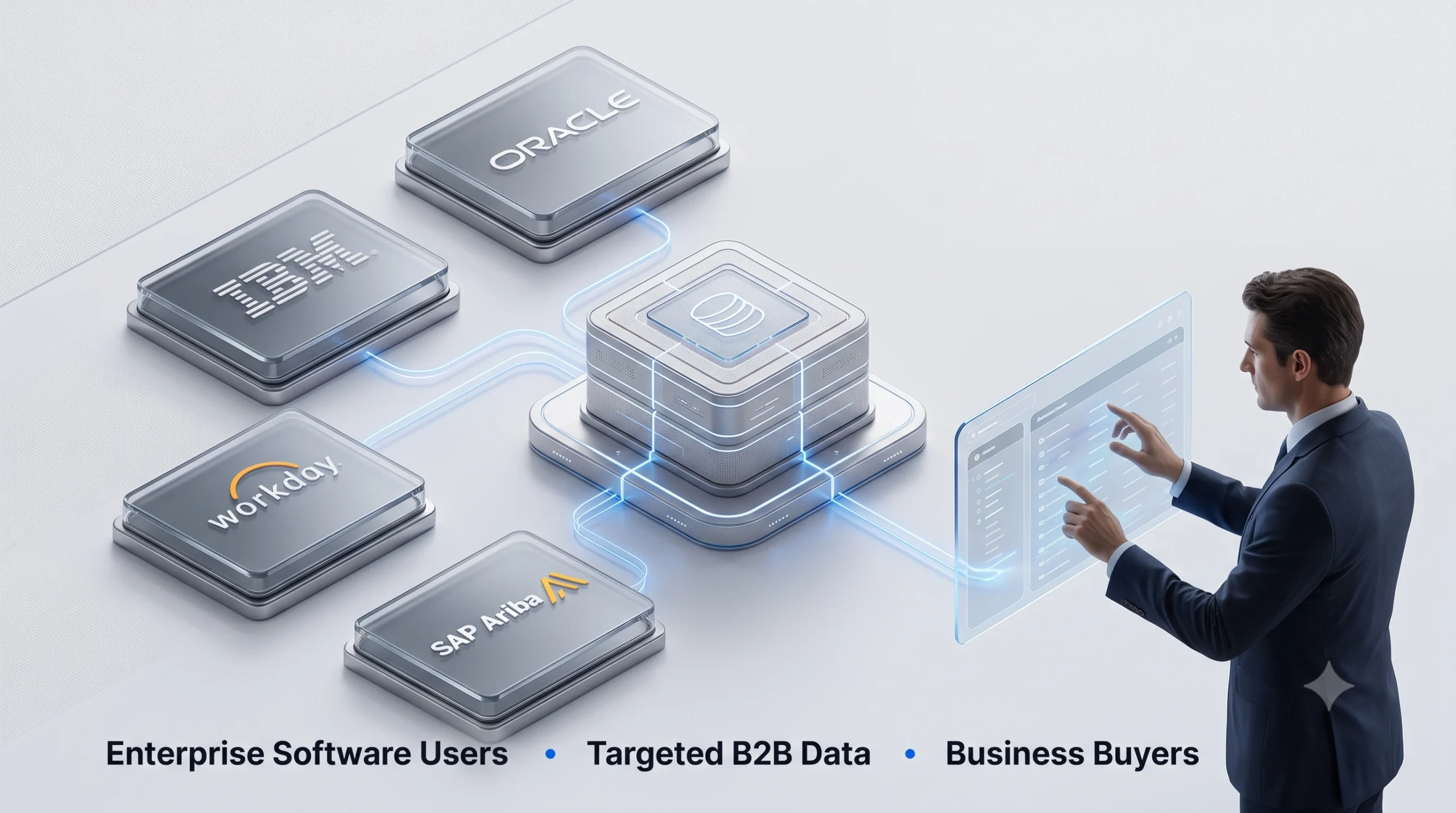
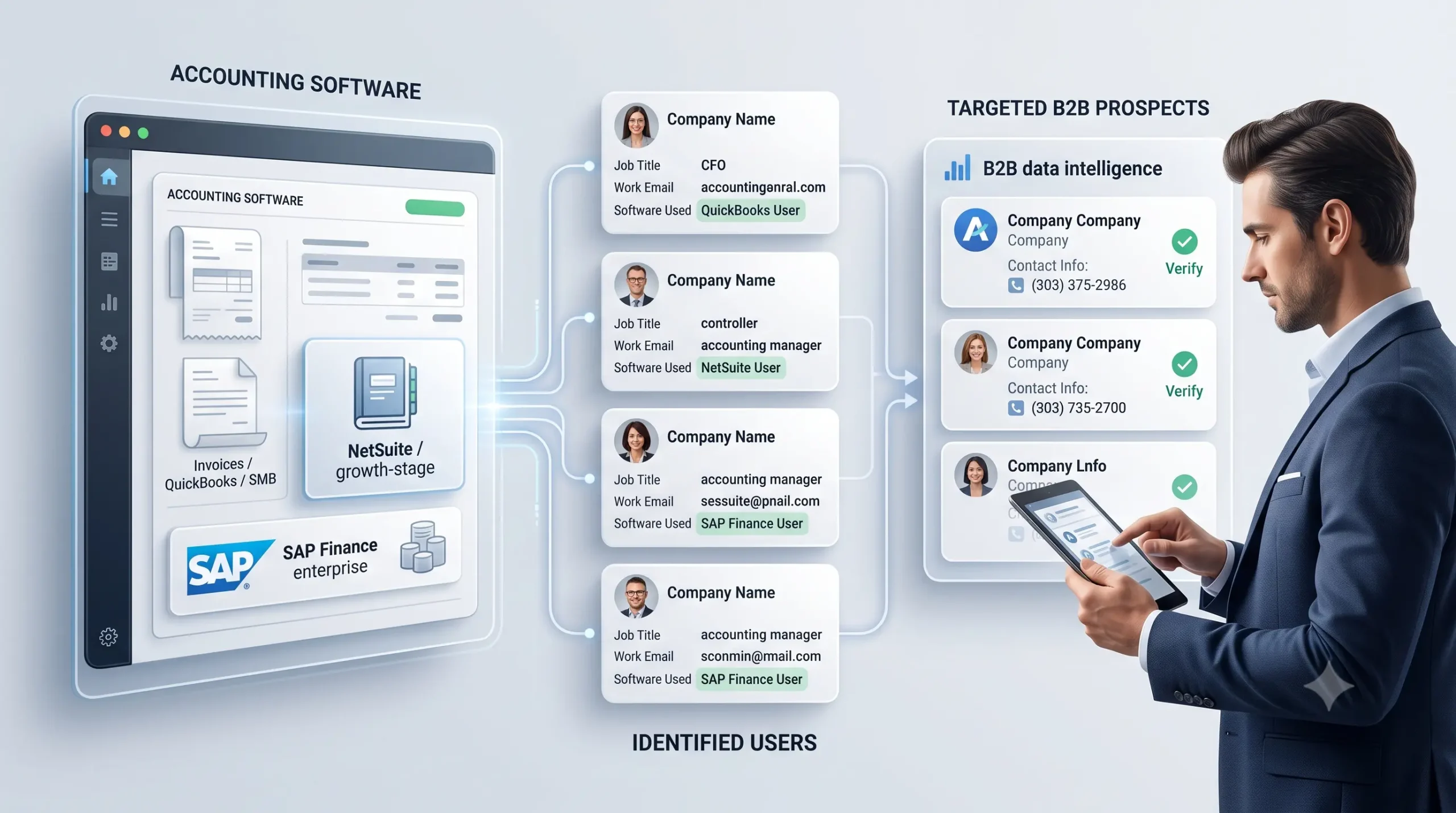
Hidden Segment #3: Technology Stack and System Users
Why it converts: Companies using specific technologies, software platforms, or equipment have compatibility needs, integration opportunities, and demonstrated adoption of modern systems.
Key indicators:
- Current CRM system (Salesforce, HubSpot, Microsoft Dynamics)
- ERP platforms (SAP, Oracle, NetSuite)
- Manufacturing equipment brands and vintages
- E-commerce platforms (Shopify, Magento, WooCommerce)
- Marketing automation tools
- Communication systems
How to identify:
- Technographic data providers (BuiltWith, Datanyze, ZoomInfo)
- Industry-specific equipment registrations
- Software review sites and user communities
- Integration partner directories
- Job postings mentioning specific systems
Application example:
A data integration company previously targeted all e-commerce businesses. By filtering for companies using Shopify with specific third-party apps indicating multi-channel selling, they found businesses struggling with inventory management across platforms.
Conversion rates increased from 2.4% to 9.8% because their integration solved an acute, existing pain point for this precise segment.
Industries where this segment performs exceptionally:
- Technology vendors (targeting specific platform users)
- Manufacturing suppliers (targeting equipment owners)
- Professional services (targeting software users in their domain)
Best channels: Business email referencing their current tech stack (“We see you’re using [System X]…”) creates immediate relevance.
Hidden Segment #4: Industry Cluster Micro-Targeting
Why it converts: Businesses in the same geographic clusters face similar challenges, share suppliers, know each other, and create referral opportunities. When you establish presence in a cluster, word spreads.
Key indicators:
- Geographic concentration of specific industries
- Industrial parks and business districts
- Supply chain proximity (automotive corridor, medical device triangle)
- Port or transportation hub proximity
- University research partnerships
How to identify:
- Economic development commission data
- Industry association local chapters
- Mapping concentration of specific NAICS codes
- Commercial real estate listings for industrial space
- Regional trade publication coverage
Application example:
A forklift and material handling equipment distributor traditionally targeted manufacturing companies across their entire state. They refined to target only manufacturers within three specific industrial parks known for warehousing and logistics operations.
Conversion rates improved from 3.1% to 12.4%, and initial customers referred neighboring businesses in the same parks.
Industries where this segment performs exceptionally:
- Manufacturing (automotive clusters, aerospace corridors)
- Healthcare (medical districts, hospital systems)
- Technology (tech hubs and startup ecosystems)
- Logistics (port and transportation corridors)
Best channels: Business direct mail with hyperlocal references (“serving 23 businesses in [Industrial Park Name]”) builds credibility.
Hidden Segment #5: Certification and Compliance Holders
Why it converts: Companies that invested in specific certifications have demonstrated commitment to quality, have resources to maintain standards, and often require vendors with compatible certifications.
Key indicators:
- ISO certifications (9001, 13485, 14001, 45001)
- Industry-specific certifications (AS9100 for aerospace, IATF 16949 for automotive)
- Safety certifications (OSHA VPP)
- Environmental certifications (B Corp, Fair Trade)
- Quality awards (Malcolm Baldrige, state quality awards)
How to identify:
- Certification body registries
- Industry association directories
- Company websites and marketing materials
- Award announcements and press releases
- Government databases for regulated industries
Application example:
A quality management software company targeting manufacturers added a filter for ISO 9001 certified companies.
Why? ISO 9001 certification requires systematic quality processes, documented procedures, and regular audits. Certified manufacturers already understand quality management principles, have budget allocated for quality initiatives, and face auditor pressure to continuously improve systems.
Conversion rates improved from 2.7% to 8.9% because they weren’t selling the concept of quality management just a better tool for something prospects already did.
Industries where this segment performs exceptionally:
- Manufacturing (ISO certifications)
- Healthcare (HIPAA compliance, accreditations)
- Food and beverage (FDA, organic certifications)
- Automotive (IATF 16949)
Best channels: Business direct mail with technical white papers appealing to quality-focused audiences.
Hidden Segment #6: Family-Owned vs. Corporate-Owned Businesses
Why it converts: Ownership structure profoundly affects decision-making speed, buying criteria, and relationship importance. Each segment has distinct characteristics favoring different offers.
Family-owned businesses typically:
- Make faster decisions (fewer approval layers)
- Value relationships over transactions
- Prioritize long-term value over short-term savings
- Care deeply about reputation and community standing
- May lack formal procurement processes
Corporate divisions typically:
- Follow formal RFP processes
- Prioritize documented ROI
- Require multiple stakeholder approvals
- Value scalability and enterprise features
- Have larger budgets but longer sales cycles
How to identify:
- D&B ownership data
- Business structure filings
- Family business associations
- Company website messaging and history
- Local business community involvement
Application example:
A commercial insurance broker segmented their business list between family-owned manufacturers and corporate divisions. For family-owned businesses, they emphasized generational legacy protection, community involvement, and personalized service. For corporate divisions, they led with risk management frameworks, compliance documentation, and enterprise-scale capabilities.
The family-owned segment converted at 7.2% (vs. 2.1% previously) with shorter sales cycles, while corporate segment required longer nurture but delivered higher premiums.
Industries where this segment performs exceptionally:
- Professional services (family practices vs. hospital systems)
- Manufacturing (family shops vs. corporate facilities)
- Retail (independent stores vs. chains)
- Hospitality (independent hotels vs. brand franchises)
Best channels: Family businesses respond well to telemarketing and personal outreach; corporate divisions prefer email documentation and formal processes.
Hidden Segment #7: Multi-Location vs. Single-Location Businesses
Why it converts: Multi-location businesses have complexity challenges, standardization needs, and scalability requirements that single-location businesses don’t face.
Multi-location businesses need:
- Consistent processes across sites
- Centralized reporting and oversight
- Scalable solutions supporting multiple facilities
- Remote management capabilities
- Standardized vendor relationships
Single-location businesses need:
- Site-specific customization
- Hands-on local support
- Lower total cost (smaller scale)
- Simpler implementation
How to identify:
- Number of locations in business database
- Corporate structure information
- Multiple addresses for same company name
- Branch location data
- Franchise vs. independent status
Application example:
A facility maintenance company refined their business list to exclusively target retail chains with 5-20 locations (not single stores or massive national chains).
This “Goldilocks segment” had enough locations to value standardized service but weren’t so large they required elaborate RFP processes. They desperately needed consistent quality across sites but lacked resources to manage multiple vendors.
Conversion rates jumped from 2.8% to 10.1%.
Industries where this segment performs exceptionally:
- Retail (regional chains)
- Healthcare (multi-practice groups)
- Hospitality (hotel groups, restaurant chains)
- Manufacturing (companies with multiple plants)
Best channels: Multi-channel campaigns reaching both corporate decision-makers and site managers simultaneously.
Hidden Segment #8: Recent Facility Changes and Expansions
Why it converts: Building permits, facility moves, renovations, and expansions signal investment budgets, growing pains, and need for new equipment, services, and systems.
Key indicators:
- Building permits for construction or renovation
- Commercial real estate transactions
- Facility expansion announcements
- New location openings
- Equipment installation permits
How to identify:
- Local building department records
- Commercial real estate databases
- Local business news and announcements
- Industry publication coverage
- Satellite imagery changes
Application example:
A commercial HVAC company tracked building permits for facility expansions among manufacturing companies in their region. They contacted manufacturers within 60 days of permit filing before construction completed but while budgets were still open for additional equipment.
Conversion rates reached 15.3% because manufacturers expanding facilities needed new climate control systems, were already in spending mode, and hadn’t yet allocated every dollar.
Industries where this segment performs exceptionally:
- Construction services (targeting businesses undertaking projects)
- Equipment suppliers (new facilities need new equipment)
- Technology vendors (expansions trigger IT infrastructure needs)
- Professional services (relocations create needs)
Best channels: Business telemarketing with time-sensitive offers aligned to construction timelines.
Hidden Segment #9: Businesses with Recent Negative Events
Why it converts: Companies experiencing problems failed audits, recalls, legal issues, or publicized customer complaints have urgent needs to fix issues and prevent recurrence.
Key indicators:
- Failed inspections or audits
- Product recalls or safety incidents
- Negative press coverage
- Legal actions or regulatory violations
- Customer complaint patterns
How to identify:
- Regulatory agency databases (OSHA, FDA, EPA)
- Recall announcements
- Legal filing databases
- Industry news monitoring
- Review aggregation platforms
Application example:
A quality control system vendor monitored FDA warning letters to food manufacturers. They contacted cited companies offering solutions to address specific violations mentioned in warning letters.
Conversion rates exceeded 20% because manufacturers faced immediate regulatory pressure, potential facility closures, and desperate need for documented improvements.
Ethical considerations: This segment requires sensitive messaging focusing on solutions, not exploiting pain. Lead with help, not fear.
Industries where this segment performs exceptionally:
- Food and beverage (safety violations)
- Healthcare (compliance issues)
- Manufacturing (safety incidents)
- Chemical and hazardous materials (environmental violations)
Best channels: Business email and direct mail with consultative positioning, not opportunistic sales pitches.
Hidden Segment #10: Behavioral Engagement Signals
Why it converts: Businesses actively researching solutions, consuming content, or engaging with industry topics demonstrate intent and current interest.
Key indicators:
- Website visitors from target companies
- Content downloads (whitepapers, guides)
- Webinar attendance
- Trade show booth visits
- Industry association event attendance
- Search behavior patterns
How to identify:
- Website analytics showing company visitors
- Marketing automation engagement tracking
- Event attendance lists
- Intent data providers (Bombora, G2, TechTarget)
- Trade show lead capture
Application example:
A B2B software company tracked which companies visited their website, read specific solution pages, and downloaded their ROI calculator. They created a priority segment of companies showing research behavior.
Conversion rates reached 22.7% because these businesses were actively in-market, researching solutions, and demonstrating purchase intent.
Industries where this segment performs exceptionally:
- Technology and SaaS (high digital research behavior)
- Professional services (content-driven buyer journeys)
- Complex B2B solutions with long consideration periods
Best channels: Business telemarketing and personalized email referencing specific content consumed creates relevant conversations.
How to Access and Layer Hidden Segments
Most standard business lists don’t include these hidden segments by default. Accessing them requires:
Data Enrichment Services
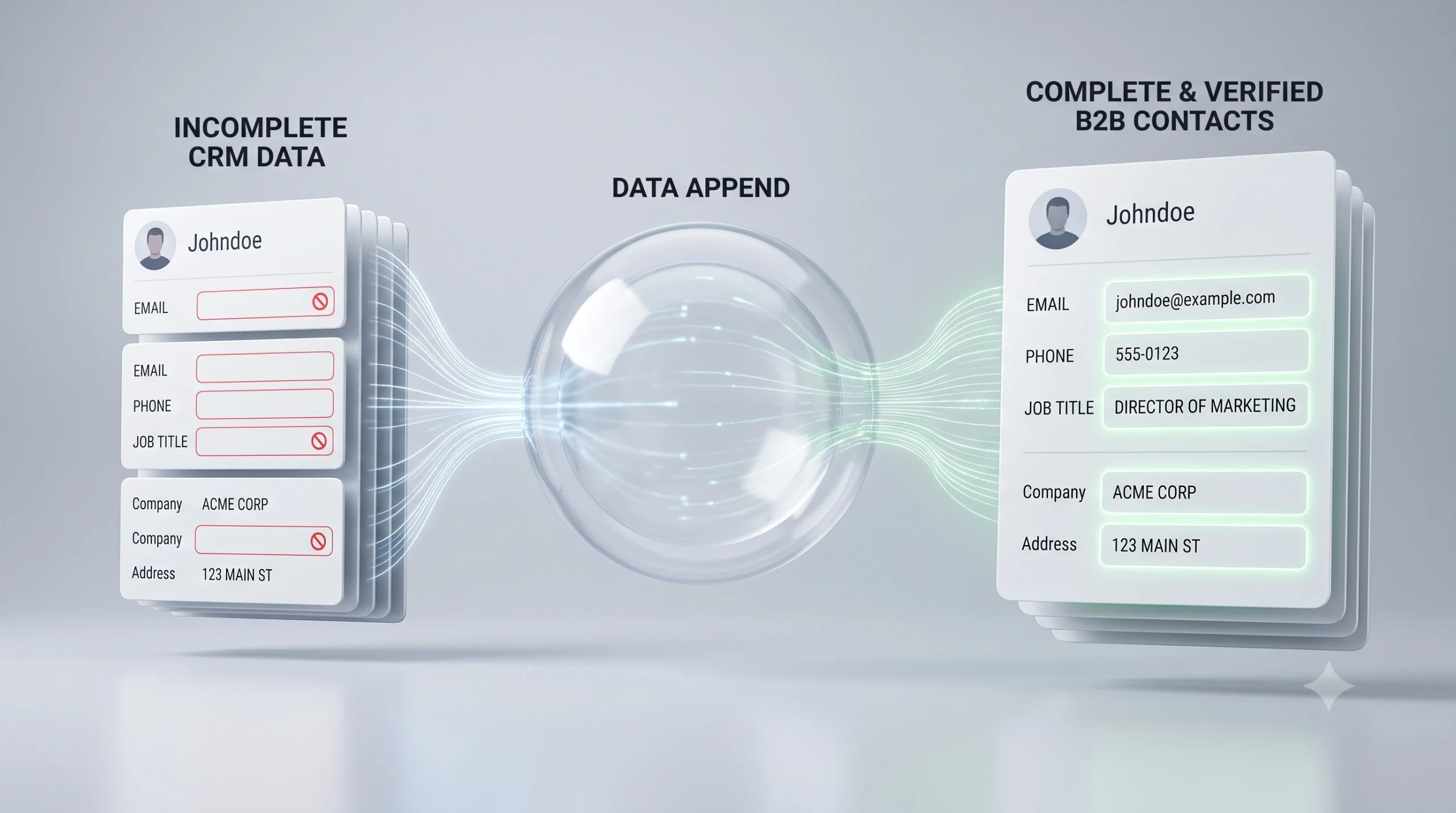
Append additional data fields to base business lists:
- Technology stack data
- Funding and growth indicators
- Certification information
- Ownership structure
- Location count
Providers: ZoomInfo, Dun & Bradstreet, Bombora, BuiltWith, and specialized data enrichment services.
Public Records Research
Mine publicly available information:
- Building permits from local government
- Regulatory filings and violations
- Business license renewals
- Court records
- Press releases and news
Tools: County clerk databases, regulatory agency websites, local business journals, Google News alerts.
Intent Data Integration
Track behavioral signals indicating active research:
- Website visitor identification
- Content engagement tracking
- Search keyword analysis
- Review site activity
Platforms: 6sense, Bombora, TechTarget, LinkedIn Campaign Manager, Google Analytics.
Custom List Development
Work with specialty list providers or experienced brokers to build custom segments combining multiple criteria:
Example: “Manufacturing companies with 50-200 employees, ISO 9001 certified, that hired new operations directors in the past 6 months, located in industrial clusters within 100 miles of our facilities.”
This level of targeting requires expertise and multiple data sources but delivers conversion rates justifying the investment.
Industry-Specific Hidden Segment Applications
Different industries benefit from different segment combinations:
For Manufacturers Targeting Other Manufacturers
Highest-converting segments:
- Recent facility expansions (new equipment needs)
- Certification holders (quality-focused buyers)
- Funded/growing companies (scaling challenges)
- Technology adopters (integration opportunities)
Target: Manufacturing companies with layered behavioral and firmographic indicators.
For Healthcare Services and Equipment
Highest-converting segments:
- New administrators or practice managers (fresh perspectives)
- Recent expansions or acquisitions (integration needs)
- Compliance challenges (regulatory pressure)
- Patient volume growth (capacity challenges)
Target: Healthcare providers with change indicators and growth signals.
For Hospitality Suppliers
Highest-converting segments:
- Recent renovations (new equipment needs)
- Ownership changes (vendor reviews)
- Multi-location properties (standardization needs)
- Funded hotel groups (investment capital)
Target: Hospitality businesses with facility change indicators.
For Automotive Industry Vendors
Highest-converting segments:
- Dealerships with recent ownership changes
- New facility constructions or renovations
- Technology adopters (DMS systems users)
- Multi-location dealer groups
Target: Automotive businesses with modernization signals.
For Real Estate Services
Highest-converting segments:
- Recent transaction activity (active agents)
- Team expansion (growing brokerages)
- Technology adopters (CRM users)
- Multi-office brokerages (standardization needs)
Target: Real estate professionals demonstrating growth and activity.
Measuring the Impact of Hidden Segment Targeting
To quantify the value of sophisticated segmentation, track:
Baseline Metrics (standard list):
- Response rate
- Conversion rate
- Cost per acquisition
- Average deal size
- Sales cycle length
Enhanced Metrics (hidden segment):
- Lift in response rate (percentage improvement)
- Lift in conversion rate
- Reduction in CPA
- Improvement in deal size or lifetime value
- Shortened sales cycles
Example Results:
| Metric | Standard List | Hidden Segment | Lift |
| Response Rate | 2.1% | 8.7% | 314% |
| Conversion Rate | 0.9% | 4.2% | 367% |
| Cost Per Acquisition | $2,847 | $1,023 | 64% reduction |
| Sales Cycle | 127 days | 89 days | 30% faster |
Document these improvements to justify investing in more sophisticated targeting for future campaigns.
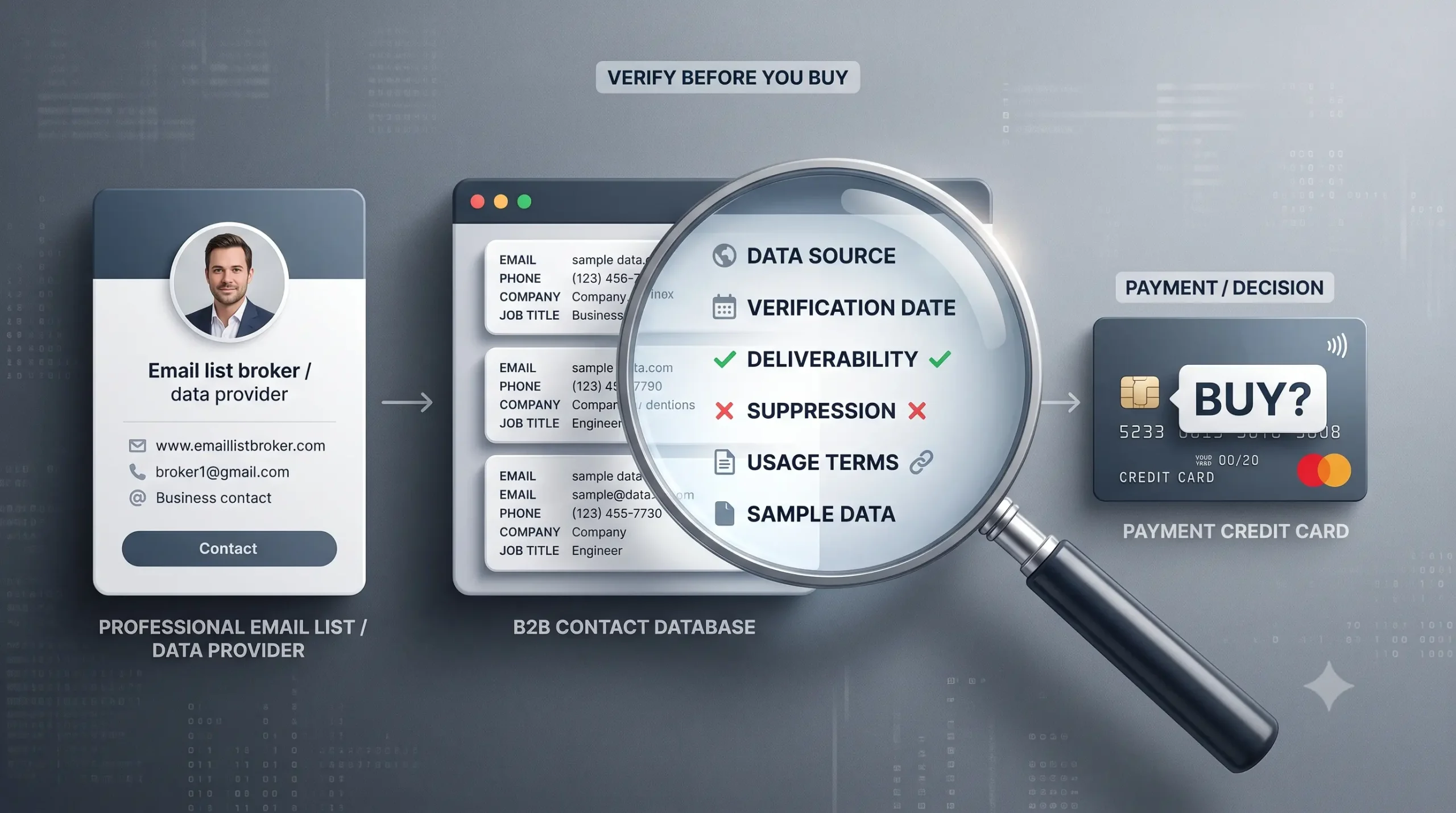
Working with List Brokers to Uncover Hidden Segments
The complexity of identifying and accessing hidden segments makes working with experienced list brokers particularly valuable:
What Expert Brokers Provide
Strategic Consultation: They ask probing questions to identify which hidden segments matter most for your specific offering.
Multi-Source Access: They can pull data from multiple providers and combine sources to create custom segments unavailable through single vendors.
Data Enrichment Coordination: They handle the complexity of appending additional data fields and validating accuracy.
Industry Expertise: Brokers specializing in your industry know which segments historically perform best for similar companies.
Testing Design: They help structure tests comparing hidden segments against standard lists to quantify lift.
Ongoing Optimization: They analyze results and continuously refine segmentation strategies based on performance data.
Questions Brokers Ask to Uncover Hidden Segments
- What business changes create urgent need for your solution?
- Are there trigger events that predict buying windows?
- What technology or certifications complement your offering?
- Which of your current customers share common characteristics beyond demographics?
- What prevents some prospects from buying even when they fit your ICP?
- Are there seasonal, cyclical, or event-driven patterns in your sales?
These discovery conversations reveal segment opportunities most marketers never consider.
Common Mistakes When Targeting Hidden Segments
Avoid these pitfalls:
Mistake 1: Over-Segmentation
Too many narrow segments create tiny audiences and operational complexity. Start with 2-3 high-potential segments, prove value, then expand.
Mistake 2: Segment Without Strategy
Hidden segments require tailored messaging. Don’t just target differently message differently. New executives need different value propositions than 20-year veterans.
Mistake 3: Ignoring Timing
Many hidden segments are time-sensitive. Facility expansions have construction timelines. Funding creates spending windows. Delayed outreach misses opportunities.
Mistake 4: Forgetting Testing
Always test hidden segments against standard targeting before going all-in. Validate assumptions with real campaign data.
Mistake 5: Static Segmentation
Hidden segments change constantly. New executives get hired. Companies get funded. Certifications are earned. Update segments regularly or they become stale.
Mistake 6: Data Quality Neglect
Sophisticated segmentation only works with accurate data. Verify segment indicators before launching campaigns.
The Competitive Advantage of Hidden Segment Mastery
Here’s the reality: most of your competitors are marketing to the same obvious segments you are. They’re targeting manufacturers in specific industries. Healthcare providers of certain sizes. Retail operations in particular geographies.
Everyone has access to the same basic business lists.
But only sophisticated marketers identify and target the hidden segments within those lists the businesses experiencing changes, demonstrating behaviors, or possessing characteristics that make them significantly more likely to buy right now.
This isn’t about having better products or lower prices. It’s about reaching businesses at the precise moment they’re most receptive to your message. It’s about spending your marketing budget where it delivers maximum return, not spreading it evenly across audiences with wildly different conversion potential.
When you master hidden segment targeting:
Your conversion rates multiply while competitors wonder why the same list delivers them 2% response and you 10%.
Your sales cycles compress because you’re reaching businesses actively experiencing the pain you solve, not businesses you have to convince have a problem.
Your cost per acquisition plummets because you’re concentrating budget on high-probability prospects instead of wastefully broadcasting to everyone.
Your sales team stays motivated because they’re having productive conversations with qualified prospects instead of beating their heads against dead ends.
Your competitive positioning strengthens because you’re establishing relationships with companies during key decision windows before competitors even know they’re in-market.
Whether you’re targeting manufacturing companies, healthcare providers, hospitality businesses, or any other business segment, the principles remain the same: look beyond obvious demographics to identify the behavioral, temporal, and situational factors that reveal buying readiness.
Stop marketing to entire lists the same way. Start identifying the hidden segments that convert at multiples of standard response rates.
Your competitors will keep wondering why their campaigns underperform. You’ll know exactly why yours succeed.
Ready to uncover the hidden segments in your target market that deliver superior conversion rates? Work with experienced list brokers who specialize in business list optimization and specialty market targeting to identify and reach the high-converting segments your competitors are missing.