Cultivating major donors is at the heart of every successful nonprofit fundraising strategy. While identifying prospects gives you a starting point, the real transformation happens during cultivation when a potential donor evolves from being merely interested to becoming deeply invested in your mission.
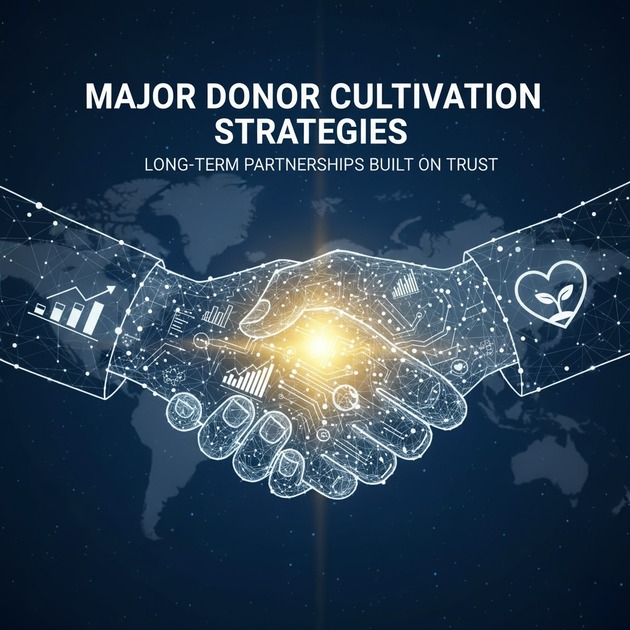
Major donor cultivation isn’t about quick wins; it’s about long-term partnerships built on trust, transparency, and shared purpose. In an increasingly data-driven and globally connected world, cultivating these relationships requires both strategic planning and genuine human connection.
This guide breaks down the essential principles, global best practices, and actionable strategies that actually work for nonprofits seeking to cultivate high-value donor relationships.
1. Understanding What Donor Cultivation Really Means
Donor cultivation is the process of developing and nurturing relationships with potential major donors before making a formal solicitation. It involves learning about the donor’s values, communicating your mission in a personalized way, and creating opportunities for engagement that build emotional resonance.
Unlike transactional fundraising, donor cultivation is a relationship-based approach. It takes time, patience, and strategic consistency. Donors want to feel like stakeholders not just sources of funding. That’s why effective cultivation focuses on shared vision and mutual impact, not just financial contribution.
Globally, successful nonprofits approach cultivation as a multi-stage journey that can take months or even years. Whether in the U.S., Europe, or Asia, organizations that prioritize trust and transparency consistently outperform those chasing short-term donations.
2. Building a Personalized Donor Journey
Every major donor’s motivations are unique. Some give because of personal experiences, others for legacy building, and some to address a global challenge. Understanding these motivations is the foundation of effective cultivation.
Start by mapping out a personalized donor journey from introduction to commitment. This typically includes:
- Awareness: Introduce the donor to your mission through meaningful storytelling and clear communication.
- Engagement: Invite them to events, webinars, or impact briefings.
- Connection: Provide opportunities for one-on-one conversations with leadership or beneficiaries.
- Involvement: Offer advisory roles, volunteer opportunities, or behind-the-scenes access.
Throughout this journey, keep your communication authentic. Personalize your outreach using their preferred channel whether that’s email, in-person meetings, or social engagement.
Remember: personalization is not about flattery. It’s about relevance making every interaction feel meaningful and aligned with the donor’s vision for impact.
3. Using Data Ethically to Guide Cultivation
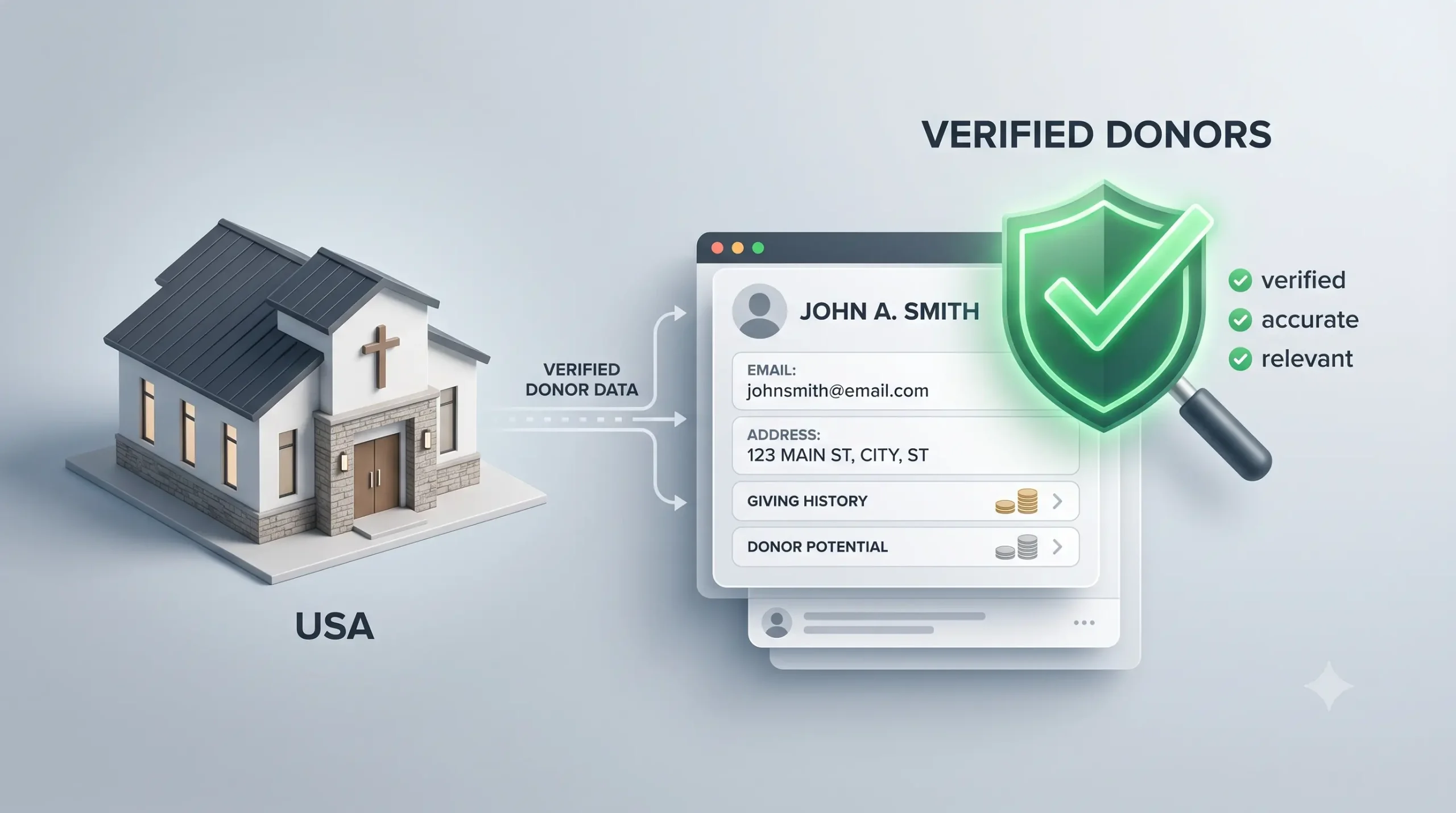
In the modern fundraising ecosystem, data plays a crucial role in shaping donor engagement strategies. From tracking event attendance to analyzing communication preferences, data helps you understand what resonates most.
However, data-driven fundraising must always respect compliance and privacy regulations. Whether your nonprofit operates in the U.S. under CCPA, in the EU under GDPR, or in Canada under PIPEDA, donor data should be handled with full transparency and consent.
Ethical data use builds donor confidence. Inform supporters about how their information is stored and used, provide opt-out options, and avoid over-personalization that can feel intrusive. When managed responsibly, data becomes a bridge to better understanding not a barrier to trust.
4. Engaging Donors Through Impactful Storytelling
At its core, cultivation is about emotional connection and storytelling is your most powerful tool. A compelling story humanizes your mission, demonstrates transparency, and shows tangible impact.
When crafting stories for donor engagement:
- Focus on real people and real outcomes.
- Highlight measurable results (lives improved, communities transformed).
- Use visuals or short videos to make your narrative memorable.
- Always link impact directly to donor contributions show how their support changes lives.
Across global markets, storytelling that connects emotion with evidence outperforms pure data appeals. Whether you’re a U.S.-based education nonprofit or an international relief organization, your story is your strongest currency in donor cultivation.
5. Hosting High-Value Engagement Opportunities
Donors rarely form deep connections through emails alone. High-value engagement opportunities such as exclusive events, small donor dinners, or site visits allow donors to experience your work firsthand.
Invite prospects to see your mission in action. For example:
- A hospital might organize a behind-the-scenes tour of a new facility.
- A conservation NGO could invite donors to a restoration site.
- An education nonprofit might host a student roundtable or impact showcase.
In-person experiences create emotional memory something that drives long-term giving. For global organizations, hybrid or virtual experiences (like live-streamed events) can serve the same purpose, bridging distance without losing intimacy.
6. Involving Leadership and Board Members
Major donors expect to engage with decision-makers. A personal meeting with the CEO, board chair, or program director adds credibility and shows that your organization values their involvement.
Leadership involvement signals organizational commitment. When a donor hears directly from those shaping strategy, it reinforces their sense of partnership. Board members can also play a vital role in peer networking introducing prospects to other supporters or helping facilitate discussions about shared goals.
Globally, top-performing nonprofits integrate board engagement into cultivation planning, ensuring every high-value donor feels directly connected to the organization’s leadership vision.
7. Timing and Sensitivity: Knowing When to Ask
Effective cultivation is about timing as much as it is about technique. Asking for a major gift too soon can damage trust, while waiting too long might lose momentum.
The right time to ask is when three conditions align:
- The donor has a clear understanding of your mission and impact.
- A personal relationship of trust has been established.
- You can confidently match their interests with a specific funding opportunity.
Nonprofits worldwide use the concept of “The Readiness Curve” a framework that helps determine when a donor is emotionally and intellectually ready for solicitation. Your team should assess readiness regularly, ensuring that each “ask” feels natural, not forced.
8. Compliance, Transparency, and Stewardship
Transparency is the cornerstone of ethical cultivation. Donors today expect accountability they want to know how funds are managed and how impact is measured.
Always maintain open communication about:
- Use of funds: Clearly state how donations will be spent.
- Impact measurement: Provide reports, updates, or testimonials.
- Regulatory compliance: Adhere to all fundraising laws (e.g., IRS regulations for U.S. nonprofits, Charity Commission rules in the U.K., or CRA requirements in Canada).
Adhering to global fundraising ethics such as those promoted by AFP (Association of Fundraising Professionals) and CFRE International signals professionalism and builds trust across borders.
9. Cultivation Across Cultures: The Global Perspective
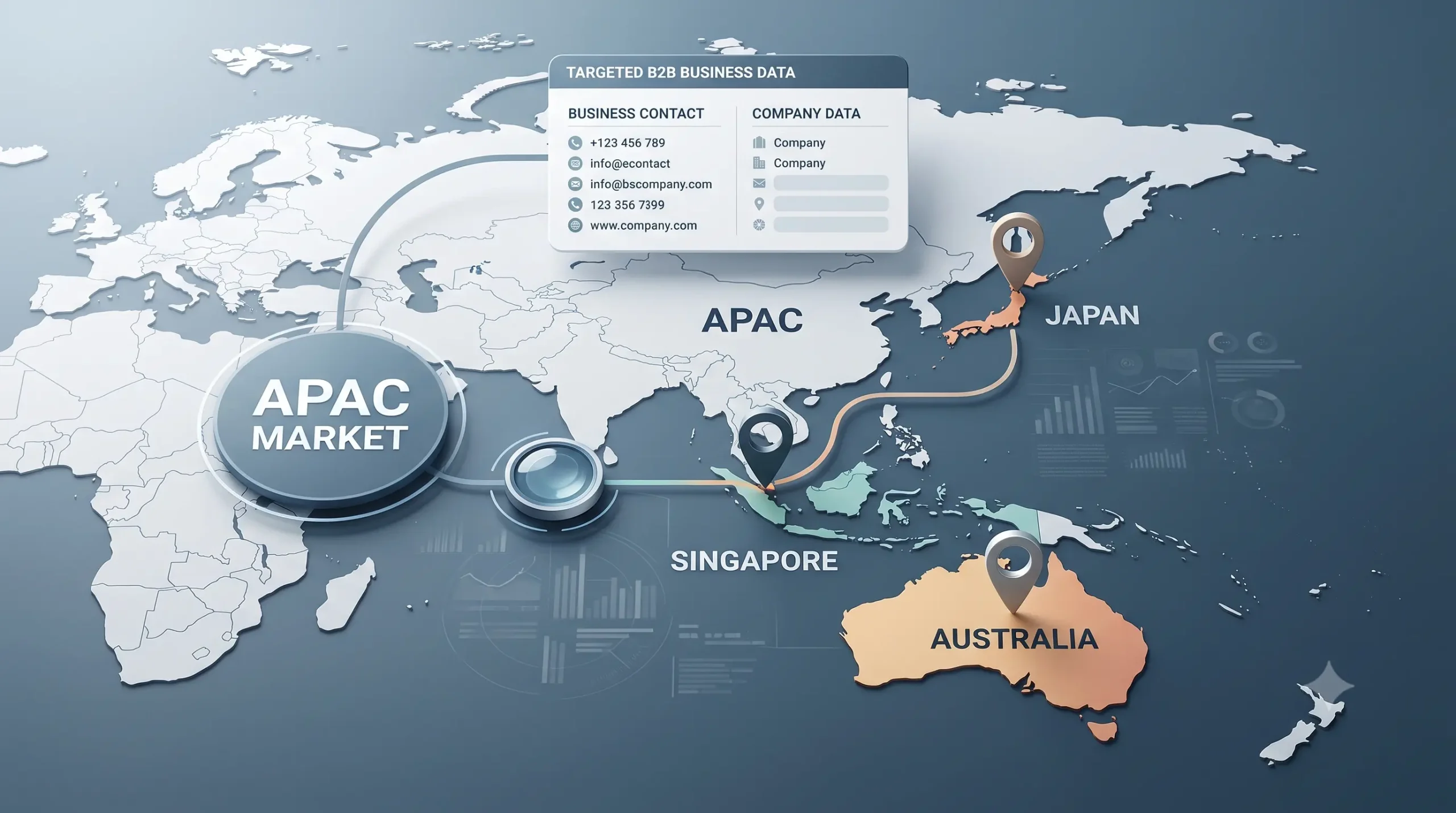
Cultural context matters deeply in philanthropy. What motivates a donor in the U.S. may differ from what inspires one in Japan or the UAE. Understanding these nuances enhances global fundraising effectiveness.
For example:
- U.S. and Western Europe: Donors often value transparency, measurable outcomes, and personal involvement.
- Middle East and Asia: Giving is often more relational, influenced by family, faith, or community values.
- Global corporations: Expect measurable ROI, brand alignment, and compliance assurance.
Cultural awareness ensures that your cultivation strategy respects local customs while maintaining universal principles of honesty, gratitude, and shared purpose.
10. Measuring Cultivation Success
To know whether your cultivation efforts are working, track key performance indicators (KPIs) such as:
- Number of meaningful interactions per donor.
- Conversion rate from prospect to major gift.
- Donor satisfaction and retention rates.
- Time from first engagement to first gift.
Data-driven measurement helps you refine your approach and identify what resonates most with your audience. Remember, the goal is not just closing one gift it’s nurturing a relationship that lasts for years.
Conclusion
Effective major donor cultivation blends strategic intent with human empathy. It’s not about persuasion it’s about partnership. When donors feel seen, respected, and inspired, they naturally choose to invest in your mission.
From ethical data practices to personalized storytelling and cultural sensitivity, every step you take reinforces the foundation of trust that drives sustainable philanthropy.
Whether you’re a U.S.-based nonprofit expanding globally or a local organization growing your impact, these strategies will help you cultivate donors who don’t just give they believe.