The senior market represents one of the most significant opportunities in consumer marketing today and one of the most misunderstood.
We’re talking about over 54 million Americans age 65 and older, controlling more than $30 trillion in wealth. They’re making major financial decisions about retirement, healthcare, housing, travel, and legacy planning. They have disposable income, time to research purchases, and loyalty to brands that treat them well.
But here’s what many marketers get wrong: seniors aren’t a monolithic group. The 55-year-old still working full-time has completely different needs than the 75-year-old managing health challenges. The affluent retiree traveling the world is worlds apart from the senior on a fixed income. And the way you market to this demographic matters enormously both for effectiveness and ethics.
Choosing the right senior consumer list isn’t just about demographics and data fields. It’s about understanding life stages, respecting vulnerabilities, complying with protective regulations, and genuinely serving a population that’s often targeted by scammers and unethical marketers.
Let’s break down exactly how to choose a senior list that drives results while maintaining the integrity and respect this demographic deserves.
Understanding the Senior Market: More Than Just an Age Bracket
Before diving into list selection, let’s clarify what we mean by “seniors” and why segmentation matters:
Age Ranges and What They Mean:
Pre-Retirees (55-64): Still working but planning for retirement. Interested in financial planning, estate planning, healthcare options, travel planning, and home modifications. Higher income but less time. More tech-savvy than older segments.
Young Seniors (65-74): Recently retired or retiring soon. Active, healthy, and exploring new possibilities. Medicare-eligible but often still quite independent. Prime market for travel, hobbies, volunteer opportunities, and active adult communities.
Mid Seniors (75-84): Slowing down but still largely independent. More focused on health management, home safety, simplified living, and maintaining quality of life. May need assistance with some activities.
Older Seniors (85+): Often facing health challenges and mobility limitations. High need for healthcare services, assisted living, in-home care, and products that support independence. Family members often involved in decisions.
Each segment has distinct needs, behaviors, and appropriate marketing approaches. A senior citizens list should allow you to target the specific age range relevant to your offering.
Industries That Benefit from Senior Consumer Lists
Who should be marketing to seniors? Many industries:
Healthcare and Medical Services: Medicare supplement insurance, hearing aids, mobility equipment, home healthcare, specialty medical practices, pharmaceutical companies, medical alert systems.
Financial Services: Retirement planning, wealth management, reverse mortgages, estate planning, tax preparation, annuities, long-term care insurance.
Senior Living: Active adult communities, assisted living facilities, independent living, memory care, continuing care retirement communities.
Insurance: Medicare advantage plans, Medicare supplement insurance, life insurance, long-term care insurance, final expense insurance.
Travel and Leisure: Senior travel packages, cruises, RV sales and rentals, golf communities, hobby-related products and services.
Home Services: Home modifications (grab bars, ramps, stairlifts), home security, lawn care, home maintenance, cleaning services.
Legal Services: Estate planning, wills and trusts, elder law, Medicare advocacy, guardianship services.
Technology: Simplified smartphones, medical alert devices, tablets designed for seniors, tech training services.
Retail: Comfortable footwear, adaptive clothing, vision aids, health supplements, specialty products for aging.
If your business serves any aspect of aging, retirement, or senior life, a well-targeted senior list can transform your marketing results.
What Makes a Senior Consumer List “Reliable”?
The term “reliable” carries extra weight when discussing senior marketing. Here’s what it should mean:
Accurate Age Verification: Age data is confirmed, not estimated. You’re not accidentally marketing Medicare plans to 50-year-olds or retirement communities to people still in their prime working years.
Current Contact Information: Addresses, phone numbers, and email addresses are recently verified. Seniors move frequently (downsizing, retirement communities, closer to family), so outdated data is common.
Ethical Sourcing: Data is compiled from legitimate sources, not purchased from questionable brokers or harvested from scam lists.
Do Not Call Compliance: For telemarketing, lists are scrubbed against federal and state Do Not Call registries. This is legally required and ethically essential.
Consent Documentation: For email marketing, contacts have opted in to receive communications. The senior population is particularly targeted by scammers, so permission-based marketing is crucial.
Regular Updates: The list is refreshed frequently to remove deceased individuals, update addresses for people who’ve moved, and maintain accuracy.
Suppression of Vulnerable Populations: Ethical providers may offer to suppress individuals in memory care facilities or those flagged as potential exploitation risks, depending on your offer type.
Transparent Data Sources: Reputable providers explain where their data comes from and how it’s maintained.
A truly reliable senior list prioritizes accuracy, compliance, and ethics not just volume and price.
Key Criteria for Choosing a Quality Senior Consumer List
Now let’s get specific about what to evaluate:
Age Targeting Precision
Why it matters: Marketing retirement planning to 85-year-olds or assisted living to 55-year-olds wastes money and frustrates recipients.
What to look for:
- Ability to select specific age ranges (55-64, 65-74, 75-84, 85+)
- Exact age targeting if needed
- Date of birth data for precise Medicare eligibility targeting
- Confirmation of how age is verified
Questions to ask:
- “Can I target specific age ranges?”
- “How do you verify age accuracy?”
- “Can I target based on Medicare eligibility (age 65+)?”
Red flags: Only broad “over 50” or “seniors” categories without precise age segmentation.
Geographic Targeting
Why it matters: Most senior services are location-dependent. Senior living facilities, home healthcare, and local services need hyperlocal targeting.
What to look for:
- ZIP code level targeting
- City, county, or radius-based selection
- State-specific lists for Medicare Advantage (plans vary by state)
- Ability to target specific communities or neighborhoods
Questions to ask:
- “Can I target specific ZIP codes or cities?”
- “Can I select by radius around my location?”
- “Do you have good coverage in [your target area]?”
Red flags: Only state-level targeting when you need local precision.
Income and Wealth Indicators
Why it matters: Seniors span enormous economic ranges. Luxury senior living and discount hearing aids target completely different populations.
What to look for:
- Household income ranges
- Home value and property ownership data
- Net worth indicators
- Ability to target affluent seniors specifically
- Credit rating information (where legal and appropriate)
Questions to ask:
- “Can I filter by income level?”
- “Can I target homeowners vs. renters?”
- “Do you have wealth indicators beyond basic income?”
Red flags: No income segmentation available for products/services with price sensitivity.
Health and Lifestyle Indicators
Why it matters: Health status dramatically affects needs and purchasing behavior among seniors.
What to look for:
- Medicare eligibility status
- Prescription drug purchase history (where permissible)
- Mobility indicators
- Health interests or concerns
- Fitness and activity levels
Questions to ask:
- “Can I target based on health interests or conditions?” (within legal limits)
- “Do you have data on active vs. less mobile seniors?”
- “Can I identify seniors who’ve purchased health-related products?”
Red flags: Claims to have specific medical diagnosis data (HIPAA violations), overly invasive health information.
Living Situation
Why it matters: Seniors in different living situations have vastly different needs.
What to look for:
- Homeowners vs. renters
- Single-family homes vs. apartments/condos
- Living alone vs. with family
- Recent movers (may have downsized or relocated)
- Length of residence
Questions to ask:
- “Can I target homeowners?”
- “Can I identify seniors who recently moved?”
- “Can I filter by property type?”
Red flags: No housing status information when it’s relevant to your offering.
Family and Household Composition
Why it matters: Seniors living alone have different needs than those with spouses or multigenerational households.
What to look for:
- Marital status (married, widowed, divorced, single)
- Presence of adult children
- Multigenerational households
- Living alone indicators
Questions to ask:
- “Can I target based on marital status?”
- “Can I identify seniors living alone?”
- “Is adult children presence data available?”
Red flags: No household composition data when family situation affects purchasing decisions.
Interests and Lifestyle
Why it matters: Active, engaged seniors respond to different messages than homebound seniors.
What to look for:
- Hobbies and interests (travel, golf, crafts, gardening)
- Technology adoption (computer owners, internet users)
- Magazine subscriptions or catalog purchases
- Volunteer activities or charitable giving
- Travel history or vacation property ownership
Questions to ask:
- “What lifestyle indicators are available?”
- “Can I target based on specific interests?”
- “Do you have data on technology adoption?”
Red flags: Only age and address with no behavioral or interest data.
Data Freshness and Update Frequency
Why it matters: Senior populations change rapidly. People pass away, move to assisted living, relocate to be near family, or experience major life changes.
What to look for:
- Monthly or quarterly updates at minimum
- NCOA (National Change of Address) processing
- Deceased suppression file usage
- Recent verification of contact information
Questions to ask:
- “When was this list last updated?”
- “How often do you refresh your senior database?”
- “Do you use deceased suppression files?”
- “How do you track seniors who’ve moved?”
Red flags: Annual updates or older, no deceased suppression, inability to provide last update date.
Contact Methods Available
Why it matters: Different seniors prefer different communication channels. Multi-channel marketing improves results.
What to look for:
- Mailing addresses (most reliable for seniors)
- Landline phone numbers (more common among older seniors)
- Cell phone numbers (increasing among younger seniors)
- Email addresses (opt-in preferred, especially for 55-64 age group)
- Ability to get multiple contact methods for the same person
Questions to ask:
- “What contact methods are included?”
- “Can I get multi-channel lists with mail, phone, and email?”
- “What percentage of seniors have email addresses?”
Red flags: Only one contact method when you need multiple touchpoints.
Compliance and Ethical Standards
Why it matters: Marketing to seniors carries heightened legal and ethical responsibilities.
What to look for:
- Do Not Call Registry scrubbing
- TCPA compliance for calling cell phones
- CAN-SPAM compliance for email lists
- Adherence to Medicare marketing guidelines if applicable
- State-specific senior protection law compliance
- Ethical use policies
Questions to ask:
- “How do you ensure Do Not Call compliance?”
- “Are email addresses opt-in?”
- “Do you comply with Medicare marketing rules?” (if relevant)
- “What ethical standards do you follow for senior marketing?”
Red flags: Dismissing compliance concerns, no DNC scrubbing, pressure to use lists in questionable ways.
Special Compliance Considerations for Senior Marketing
Marketing to seniors isn’t like marketing to other demographics. Additional regulations apply:
Medicare Marketing Rules: If you’re marketing Medicare-related products or services, strict CMS (Centers for Medicare & Medicaid Services) rules apply about claims, disclosures, and prohibited practices.
TCPA Enhanced Protections: Seniors are more likely to sue for TCPA violations. Extra care with calling cell phones and obtaining proper consent is essential.
State Elder Protection Laws: Many states have additional protections against fraudulent or deceptive marketing to seniors. Know your state’s laws.
Cooling-Off Periods: Some senior-targeted products (reverse mortgages, annuities) have mandatory waiting periods or right-to-cancel provisions.
Capacity Concerns: Marketing high-value products to seniors with potential cognitive impairment raises ethical and legal issues.
Accessibility Requirements: Marketing materials must be accessible to those with vision, hearing, or cognitive challenges.
Work with list brokers who understand these regulations and ensure your campaigns comply.
Red Flags: Signs of a Low-Quality or Unethical Senior List
Watch out for these warning signs:
Suspiciously Low Prices: Quality senior data costs money to compile and maintain. Dirt-cheap lists are usually old, inaccurate, or ethically sourced.
No Age Verification: Lists that can’t explain how they verify ages are likely using estimates or outdated data.
Overly Sensitive Information: Lists claiming to have medical diagnoses, prescription records, or other HIPAA-protected information are likely illegal.
No Deceased Suppression: Mailing to deceased individuals isn’t just wasteful it’s deeply hurtful to families. Reputable providers scrub against deceased files.
Pushing Large Volumes: Pressure to buy huge quantities without ability to test small samples suggests low-quality data they need to move quickly.
No Compliance Documentation: Inability or unwillingness to document Do Not Call scrubbing, opt-in status, or other compliance measures.
Vague Sourcing: Won’t explain where data comes from or how it’s maintained.
Resistance to Testing: Quality providers welcome testing because they’re confident in their data.
Exploitative Positioning: Marketing lists as targeting “vulnerable seniors” or positioning seniors as “easy marks” is both unethical and illegal in many contexts.
No Update History: Can’t provide information on when list was last refreshed or how often updates occur.
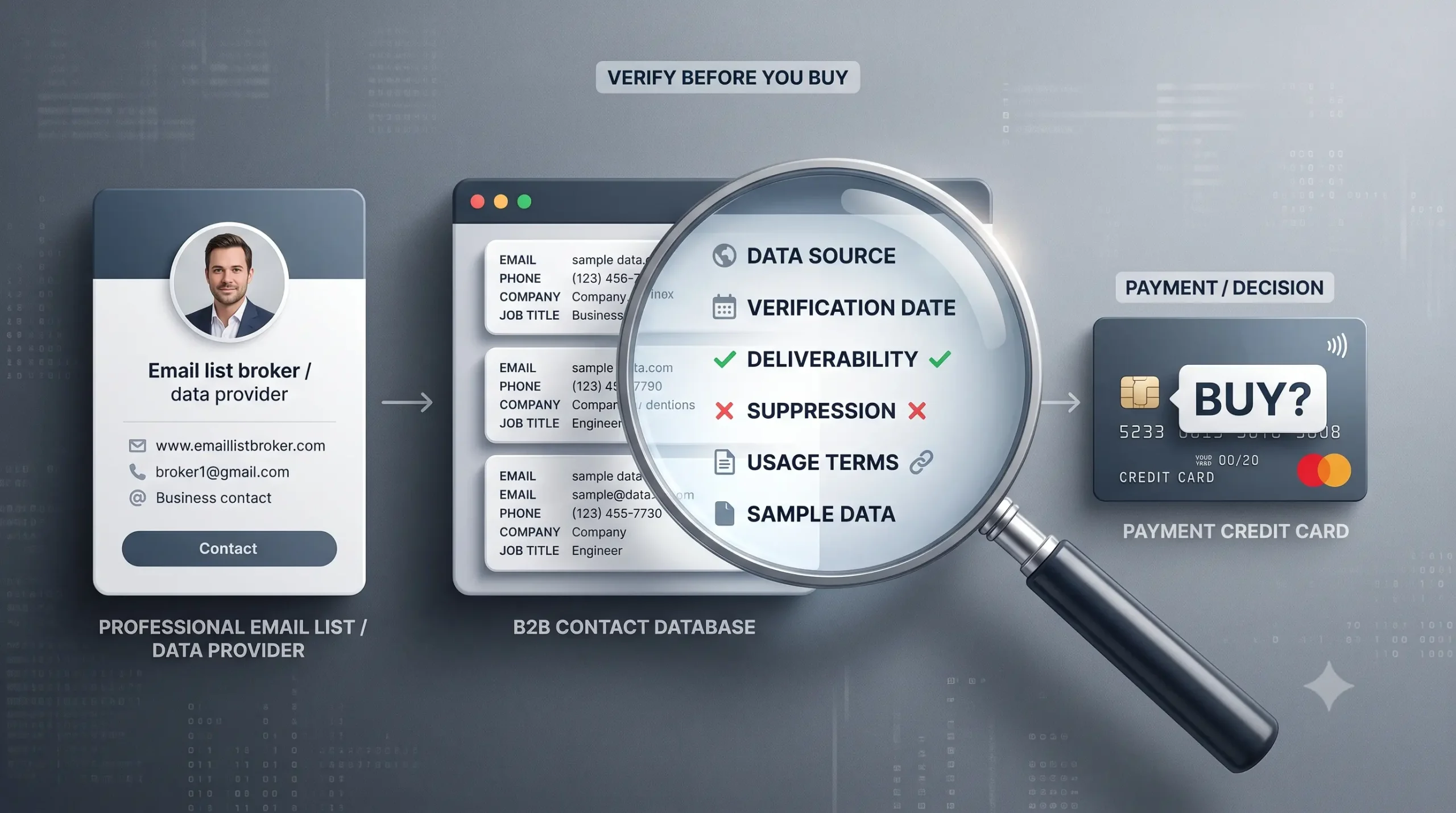
How to Test a Senior Consumer List Before Full Purchase
Always test before committing to large quantities:
Start with a Small Test Sample
Order 500-1,000 records matching your targeting criteria. This provides enough volume for meaningful results without major financial risk.
Track Deliverability and Accuracy
Monitor:
- Mail deliverability: What percentage reaches valid addresses vs. returned as undeliverable? Target: 95%+ for quality lists
- Deceased rate: How many mailings reach deceased individuals (you’ll find out from family responses)? Target: Under 1-2%
- Phone connectivity: What percentage of numbers connect vs. disconnected? Target: 90%+ for quality lists
- Right party contact: Are you reaching the right people? Target: 95%+ for properly targeted lists
Evaluate Response Quality
Beyond basic deliverability:
- Do responders match your ideal customer profile?
- Are they genuinely in your target age range?
- Do they have the income/assets to afford your offering?
- Are they in the right geographic area?
- Do they show genuine interest vs. complaints?
Check for Compliance Issues
Monitor for:
- DNC complaints (should be zero)
- Accusations of calling people who opted out
- Complaints about inappropriate targeting
- Regulatory warnings or violations
Compare Against Benchmarks
If you’ve used senior lists before, compare:
- Response rates
- Cost per acquisition
- Lead quality
- Conversion rates
If this is your first senior campaign, ask the provider for typical performance benchmarks for your industry.
Verify Random Records
Take 10-20 random contacts and verify:
- Are they actually in the stated age range?
- Do addresses match public records?
- For deceased suppression, spot-check names against obituary databases
- Are phone numbers correct?
Best Practices for Marketing to Seniors
Even the best list won’t deliver results without appropriate marketing approaches:
Communication Style Matters
Clarity Over Cleverness: Avoid jargon, complicated language, or trendy slang. Clear, straightforward communication works best.
Larger, Readable Fonts: Many seniors have vision challenges. Use 12-14 point font minimum for direct mail, high-contrast colors, and avoid small print.
Respectful Tone: Avoid condescension or assumptions about technology incompetence, cognitive decline, or limited capabilities. Treat seniors with the respect they deserve.
Complete Information: Seniors want details. Don’t oversimplify or leave out important information. They appreciate thoroughness.
Proof and Credibility: Testimonials from peers, credentials, awards, and longevity in business build trust. Seniors are skeptical of new, unproven companies.
Channel Preferences
Direct Mail Still Dominates: Consumer direct mail remains the most effective channel for many senior campaigns. Seniors check their mail, read it carefully, and keep pieces they find valuable.
Landline Telemarketing: Consumer telemarketing to landlines works well with proper execution. Older seniors especially prefer phone conversations over digital communication.
Email for Younger Seniors: The 55-64 age group uses email regularly. Opt-in email lists work for this segment with clear, simple formatting.
Multi-Channel Integration: Multi-channel campaigns combining mail, phone, and email (where appropriate) deliver the best results.
Website Accessibility: If your campaign drives to a website, ensure it’s senior-friendly: large text, simple navigation, clear calls-to-action, and fast loading times.
Timing and Frequency
Allow Processing Time: Seniors often take longer to research and make decisions. Don’t expect immediate responses. Follow-up is essential, but patient follow-up.
Avoid Oversaturation: Mailing weekly feels aggressive and scam-like to seniors. Monthly or less frequent is more appropriate for most offers.
Seasonal Considerations: Snowbirds (seniors who migrate seasonally) may be unreachable at certain times. Plan campaigns accordingly.
Respect Business Hours: For calling campaigns, avoid early mornings, late evenings, and dinner time (5-7 PM).
Trust-Building Elements
Transparency: Clear disclosure of pricing, terms, limitations, and what you’re offering. Hidden fees or fine print destroys trust.
Credentials: License numbers, professional certifications, Better Business Bureau accreditation, industry association memberships.
Local Presence: Local phone numbers, local addresses, references to local landmarks or community connections build comfort.
Family Involvement: Recognize that adult children often influence or make decisions. Provide information they can share with family members.
References and Testimonials: Reviews and testimonials from other seniors carry enormous weight. Real names and photos (with permission) enhance credibility.
Industry-Specific Senior List Strategies
Different industries approach senior marketing differently:
Medicare Insurance
Target 65+ for Medicare Supplement and Medicare Advantage. Heavy regulation CMS rules about scope of appointment, mandatory disclosures, and prohibited practices. Annual Election Period (October 15-December 7) is critical timing.
Senior Living Communities
Target 70+ for independent living, 75+ for assisted living, 80+ for memory care. Often market to adult children (45-65) as much as to seniors themselves. Emphasize safety, social engagement, and quality of life.
Financial Services
Target 55+ for retirement planning, 65+ for Social Security optimization, 70+ for estate planning. High trust requirement credentials and longevity essential. Complex regulations around financial advice and product sales.
Home Healthcare
Target 75+ for in-home care services, 80+ for more intensive support. Decision-makers often adult children. Emphasize independence, dignity, and quality caregivers.
Travel and Leisure
Target 60-75 for active travel (cruises, tours, adventure travel). This segment has time, money, and desire to travel. Group travel and senior-specific packages appeal.
Medical Alert Systems
Target 70+ living alone. Fear-based marketing can work but must be balanced with empowerment messaging. Emphasize independence and peace of mind.
Hearing Aids and Vision Services
Target 65+ with income to afford out-of-pocket costs. Direct mail with free screening offers works well. Local presence and reputation critical.
Final Expense Insurance
Target 50-85 for burial insurance and final expense coverage. Sensitive topic requiring respectful messaging. Often marketed to people concerned about burdening family.
Ethical Considerations: Marketing to Seniors Responsibly
This isn’t just about compliance it’s about doing the right thing:
Avoid Fear-Based Manipulation: While it’s appropriate to address concerns (home safety, financial security, health), exploiting fears crosses ethical lines.
Respect Cognitive Vulnerabilities: Seniors experiencing cognitive decline are particularly vulnerable to manipulation. High-pressure sales tactics are not just unethical they may be illegal.
Price Transparency: Hidden fees, confusing pricing, or “special offers” that create artificial urgency are problematic when marketing to seniors.
Realistic Promises: Overpromising results, guaranteed outcomes, or miracle solutions is both unethical and often illegal.
Privacy Protection: Seniors are prime targets for identity theft and fraud. Protect their information and never sell senior data to unknown third parties.
Accessibility Accommodations: Provide materials in accessible formats (large print, audio options), translation services for non-English speakers, and patient customer service.
Opt-Out Respect: When seniors ask to be removed from lists, honor it immediately and permanently.
Family Involvement Respect: When adult children are involved in decisions, include them appropriately rather than treating them as obstacles.
Marketing to seniors profitably and ethically is completely possible in fact, ethical marketing builds the trust that drives long-term customer relationships and referrals.
Working with List Brokers for Senior Consumer Lists
Given the sensitivity and complexity of senior marketing, experienced list brokers offer significant advantages:
Targeting Expertise: They understand life stage segmentation and can help you target the specific senior subsegment most likely to need your offering.
Quality Vetting: They know which list providers maintain accurate, ethically-sourced senior data and which cut corners.
Compliance Guidance: They ensure lists comply with Do Not Call regulations, opt-in requirements, and industry-specific rules like Medicare marketing guidelines.
Multi-Source Access: Rather than being limited to one database, brokers can compare senior lists from multiple providers to find the best match.
Ethical Standards: Reputable brokers refuse to support exploitative or questionable senior marketing campaigns, protecting both seniors and your reputation.
Campaign Strategy: Beyond lists, they offer guidance on messaging, timing, and channel selection for senior marketing.
Testing Approach: They help you design smart tests to validate list quality before scaling campaigns.
For businesses serious about the senior market, the broker relationship ensures you’re marketing effectively and responsibly.
Measuring Senior Marketing Campaign Success
How do you know if your senior list and campaign are working?
List Quality Metrics:
- Deliverability rate (mail returned, numbers disconnected)
- Deceased rate (contacts to deceased individuals)
- Accuracy of age targeting
- Geographic precision
Engagement Metrics:
- Response rate (inquiries, calls, website visits)
- Information request rate
- Appointment booking rate
- Application or enrollment rate
Conversion Metrics:
- Lead-to-customer conversion rate
- Average deal size or lifetime value
- Time to conversion (often longer for seniors)
Relationship Metrics:
- Referral rate (satisfied senior customers refer frequently)
- Retention and loyalty
- Family member engagement
ROI Metrics:
- Cost per acquisition
- Customer lifetime value
- Return on marketing investment
- Comparison to other lead sources
Senior marketing often has longer sales cycles and higher acquisition costs than other demographics, but customer lifetime value and loyalty typically more than compensate.
The Growing Senior Market Opportunity
The demographic trends are undeniable:
Size: 10,000 Americans turn 65 every day. By 2030, all Baby Boomers will be 65+.
Wealth: Americans 65+ control over 70% of U.S. household wealth.
Health: Today’s seniors are healthier and more active than previous generations, extending the “young senior” phase.
Technology: Younger seniors are increasingly tech-savvy, opening new marketing channels.
Longevity: Average life expectancy means seniors are your customers for decades, not just a few years.
Diversity: Seniors are becoming more diverse ethnically, economically, and in lifestyle preferences.
The businesses that succeed in senior marketing will be those that combine accurate, ethically-sourced data with respectful, relevant messaging that genuinely serves this population’s needs.
Final Thoughts: Responsibility Meets Opportunity
Marketing to seniors is simultaneously one of the greatest opportunities and one of the greatest responsibilities in consumer marketing.
Get it right with quality senior consumer lists, appropriate messaging, and ethical practices and you’ll build a loyal customer base that appreciates your service, refers others, and provides steady revenue for years.
Get it wrong with poor data, exploitative tactics, or disrespectful communication and you’ll face legal consequences, reputation damage, and the personal knowledge that you’ve harmed vulnerable people.
The choice is yours. The opportunity is real. The responsibility is clear.
Whether you need consumer lists for direct mail campaigns, telemarketing outreach, or multi-channel senior marketing, start with reliable data, proceed with respect, and commit to serving this population with the integrity they deserve.
The senior market rewards those who approach it with both professionalism and humanity.
Ready to reach the senior market with accurate, compliant, ethically-sourced lists? Work with experienced list brokers who specialize in senior consumer lists and understand both the opportunity and the responsibility of senior marketing.