Buying a religious mailing list represents a significant investment in your fundraising, outreach, or marketing strategy. Get it right and you’ll connect with qualified prospects who share your values. Get it wrong and you’ll waste money on undeliverable addresses and campaigns that fail to meet goals.
The religious mailing list landscape in 2026 offers both opportunities and challenges. Technology improvements enable better targeting and data verification. Privacy regulations create compliance requirements. Market sophistication demands strategic approaches.
Before you commit budget to purchasing religious mailing lists, you need to understand what distinguishes quality data from questionable sources, which legal requirements apply, how to evaluate providers, and what realistic expectations look like.
Understanding What Religious Mailing Lists Actually Contain
Religious mailing lists aren’t simply names and addresses of religious people. Understanding what data elements are available helps you evaluate whether lists meet your needs.
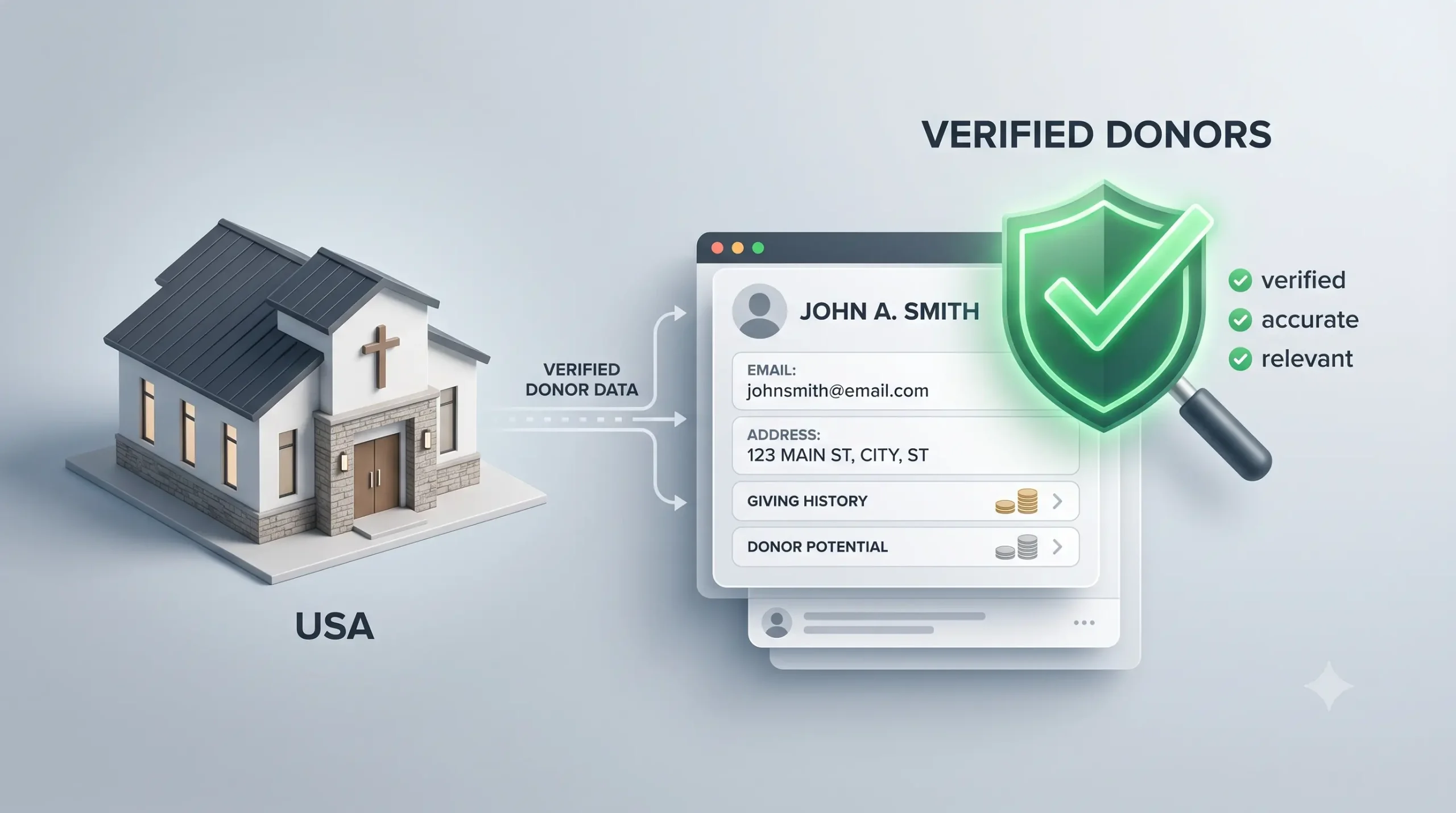
Standard data fields include full name, mailing address verified through NCOA processing, religious affiliation or denomination, and sometimes additional demographic overlays like age, income, homeowner status, and household composition.
Consumer lists with religious selects can be enhanced with behavioral indicators including giving history to religious causes, subscription to religious publications, purchases of faith-based products, or attendance at religious events. The more behavioral data included, the better you can target engaged religious consumers rather than nominal identifiers.
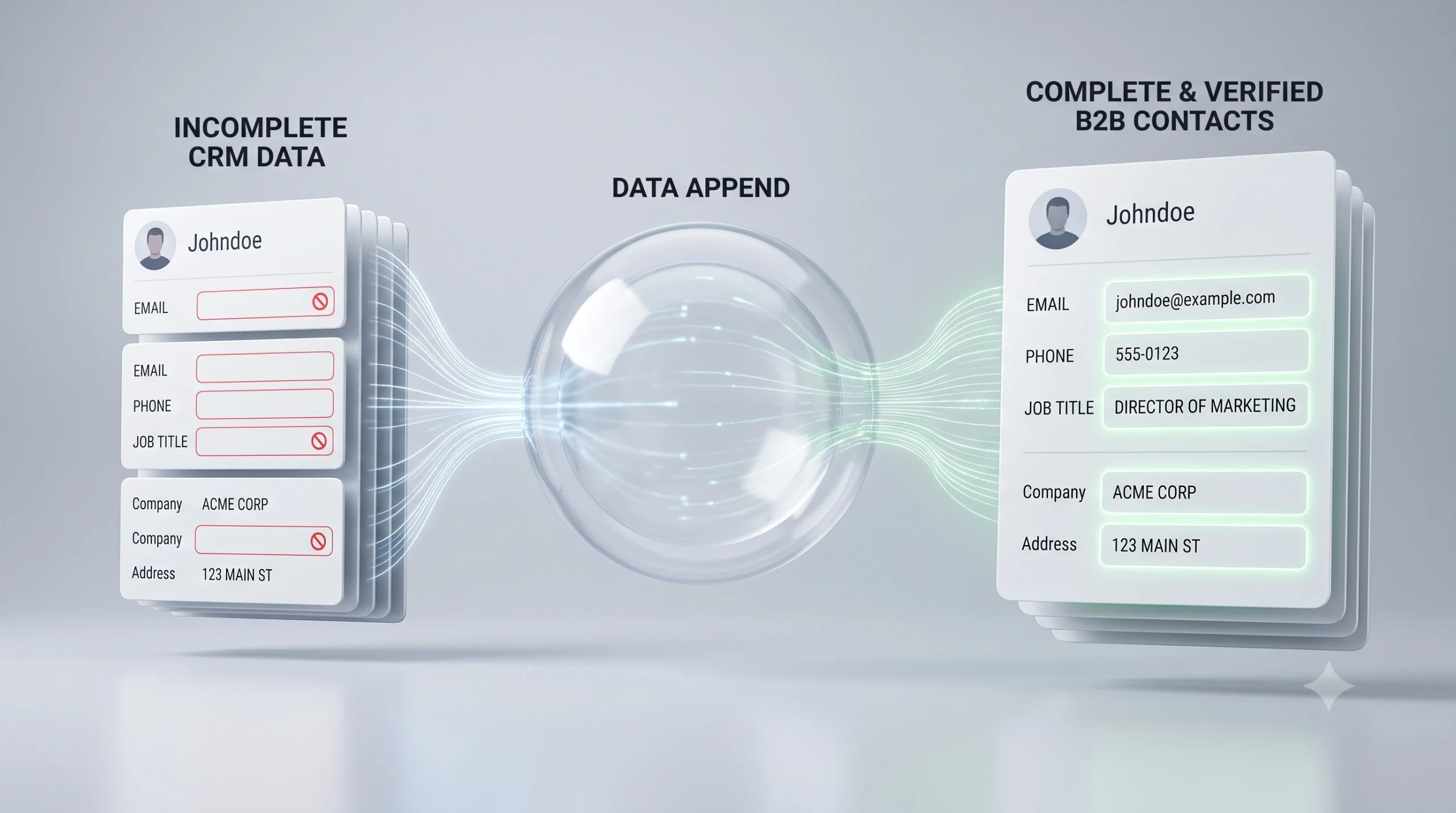
Contact append options allow you to add email addresses or phone numbers to mailing lists. This enables multi-channel campaigns combining direct mail, email marketing, and telemarketing. However, append rates vary and not every record will have verified contact information available.
The data compilation process matters because it affects accuracy. Lists compiled from self-reported survey data tend to offer higher accuracy than modeled predictions. Lists combining multiple sources with behavioral verification provide better targeting than single-source compiled lists.
Legal and Compliance Requirements in 2026
Operating within legal boundaries protects your organization from fines and reputational damage. Several regulations affect how you can use religious mailing lists.
The CAN-SPAM Act governs commercial email. If you’re using opt-in email lists, recipients must have explicitly consented. You must include working unsubscribe mechanisms and accurate sender information. Penalties reach $51,744 per email.
The Telephone Consumer Protection Act restricts telemarketing. If you’re calling cell phones, you need prior express written consent. Lists must be scrubbed against the National Do Not Call Registry. TCPA violations can result in fines of $500 to $1,500 per call.
State charitable solicitation laws vary. If you’re fundraising, many states require registration before soliciting donations from their residents. Working with experienced list brokers who understand these variations helps ensure compliance.
Direct marketing regulations also include requirements to honor opt-out requests promptly and maintain suppression files. You must remove people who request no contact within 10 business days.
Data privacy regulations increasingly affect list usage. Several states have enacted data privacy laws giving consumers rights to know what data you hold and request deletion. List providers should document data sources and consent mechanisms to demonstrate compliance.
Evaluating List Provider Quality and Reputation
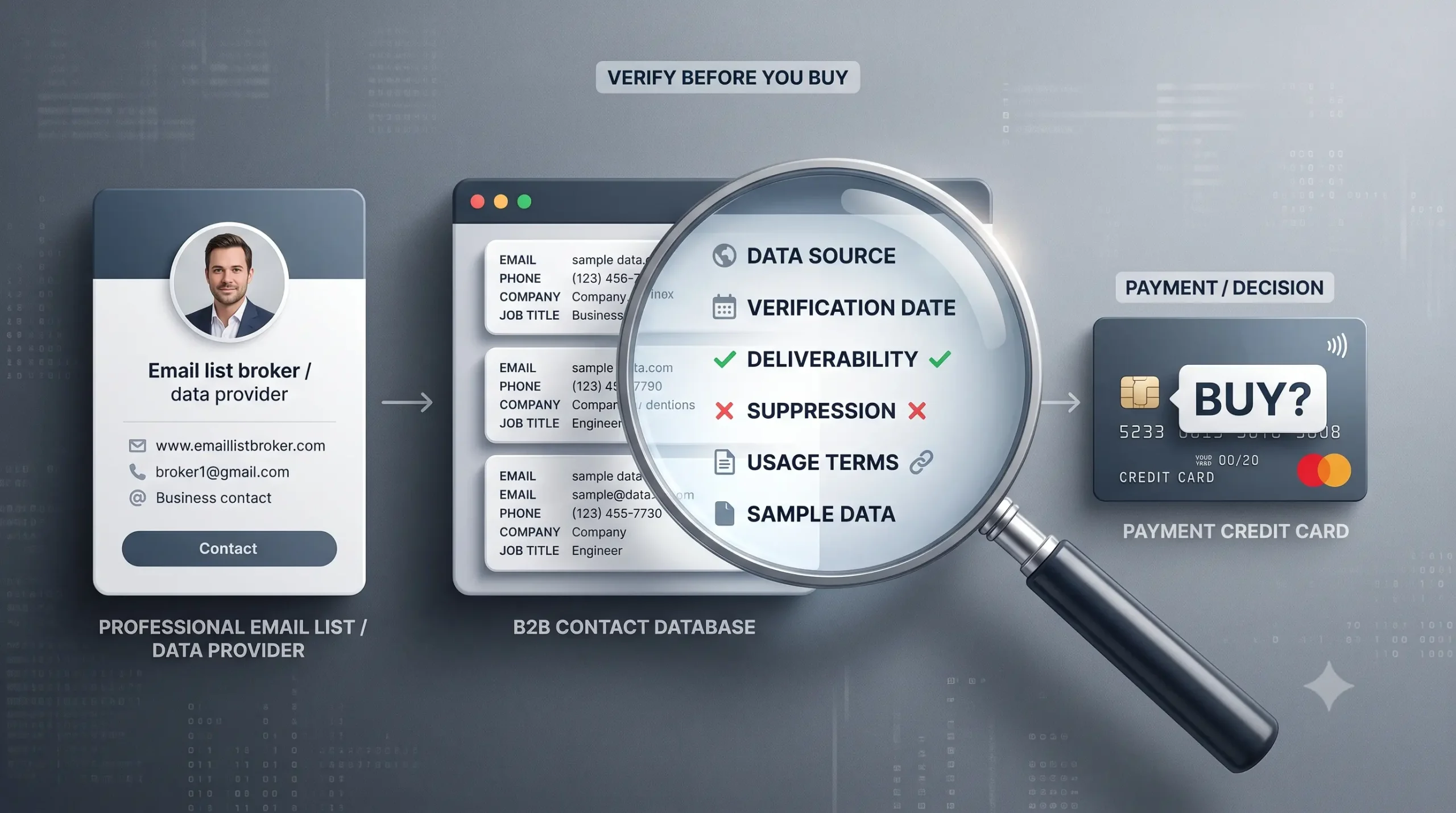
Not all religious mailing list providers offer equal quality. Several factors separate professional providers from questionable sources.
Data freshness determines deliverability rates. Quality providers update lists monthly or continuously with NCOA processing to capture address changes. Ask specifically when the list was last updated and what percentage of addresses are verified within the past 90 days.
Deliverability guarantees demonstrate provider confidence in data quality. Reputable providers guarantee 90 to 95 percent deliverability and replace undeliverable addresses. Providers unwilling to guarantee deliverability lack confidence in their data.
Source transparency reveals whether providers obtain data ethically and legally. Quality providers clearly explain where data originates, whether from surveys, subscriptions to religious publications, or purchases of faith-based products. Vague answers suggest questionable compilation methods.
Industry experience and references separate established providers from fly-by-night operations. Providers with 10, 20, or 30 years in business have survived because they deliver quality data. Ask for references from similar organizations.
Pricing that seems too good to be true usually indicates poor quality. Religious mailing lists typically cost $80 to $300 per thousand names depending on targeting specificity. Providers offering lists at $20 or $30 per thousand are selling very old data or compiled through questionable means.
Setting Realistic Budget Expectations
Understanding true costs helps you budget appropriately and avoid surprises.
List rental costs represent just one component of total campaign expenses. Beyond the list itself, you’ll pay for creative design, printing, postage, and potentially data processing fees. A complete direct mail campaign typically costs $0.75 to $1.50 per piece all-in.
Minimum order quantities affect budget planning. Most providers require minimums of 3,000 to 5,000 names. Some highly specialized specialty lists have higher minimums due to limited availability.
One-time usage represents standard licensing. When you rent a list, you’re typically licensed for a single use. If you want to mail the same names multiple times, you’ll need to negotiate multi-use rights upfront or pay separate rental fees.
Data selects increase costs incrementally. Each targeting criterion you add might increase list rental costs. Basic religious affiliation costs less than lists filtered by denomination, giving history, income, and geography.
Testing costs must be factored into initial campaigns. Smart organizations test before committing large budgets. Plan to spend on multiple small test segments to identify which targeting performs best before scaling.
Defining Clear Campaign Goals Before Purchase
Buying lists without clear objectives leads to wasted money. Define specific goals before evaluating list options.
Fundraising goals require different targeting than awareness or recruitment goals. If you’re acquiring new donors, you need donor lists with proven giving histories. If you’re building brand awareness, you might prioritize reach over giving indicators.
Target audience definition drives list selection. Can you clearly describe your ideal prospect? What religious affiliation, denomination, age range, geographic area, income level, and behaviors characterize people most likely to respond to your message?
Response rate expectations affect list selection and budget allocation. Understand that cold prospecting typically generates 1 to 3 percent response rates for fundraising appeals and 0.5 to 2 percent for event invitations. Don’t expect 10 or 20 percent response rates on cold lists.
Return on investment calculations determine whether campaigns succeed financially. Know your breakeven numbers before buying lists. How much can you spend to acquire a new donor? What’s acceptable cost per participant for an event?
Understanding Different List Types and Their Applications
Religious mailing lists come in various forms suited to different purposes.
Compiled consumer lists contain individuals identified through various data sources. These work well for broad outreach, church growth campaigns in specific geographic areas, and initial prospecting to large audiences. Compiled lists offer volume and reasonable costs.
Response-based lists contain people who’ve taken specific actions like donating to religious causes or subscribing to faith-based publications. These lists cost more but deliver better response rates because they’re self-selected based on behavior.
Institutional lists contain churches, ministries, and religious organizations rather than individual consumers. These work when you’re marketing to organizations, recruiting church partners, or promoting products and services to religious institutions.
Questions to Ask List Providers Before Buying
Thorough vetting prevents costly mistakes. Ask these questions before committing budget.
How recently was this list updated? Look for monthly or continuous updates. Quarterly might be acceptable. Annual updates are too infrequent and will produce unacceptably high undeliverable rates.
What’s your deliverability guarantee and replacement policy? Expect 90 to 95 percent deliverability guarantees with replacements for undeliverable addresses. No guarantee means the provider lacks confidence.
Where does this data originate? Providers should clearly explain sources. Self-reported survey data and verified behavioral data are positive indicators. Vague answers raise red flags.
Can you provide segmentation by denomination, giving history, and engagement? The more targeting options available, the better you can refine your audience.
What’s included in the base price versus additional cost? Understand pricing structure upfront to avoid surprises.
How do you handle opt-outs and suppression? Quality providers maintain suppression files and honor opt-out requests promptly.
Testing Strategies Before Large-Scale Purchase
Never commit your entire budget to an untested list. Smart testing protects your investment.
Small test quantities of 3,000 to 5,000 names per segment provide statistically valid results without excessive risk. If testing multiple segments, keep quantities equal so you can fairly compare performance.
A/B testing different segments helps identify best performers. Test Catholic versus Protestant donors. Test high-income versus middle-income households. Test different geographic markets.
Tracking mechanisms enable accurate measurement. Use unique phone numbers, reply codes, or URLs for each test segment so you can definitively attribute responses to specific lists.
Cost per acquisition calculations by segment show true ROI. The list with highest response rate might not deliver best ROI if acquisition costs exceed donor value.
Scaling proven winners after testing maximizes ROI. Once testing identifies high-performing segments, commit larger budgets to those proven audiences while dropping underperformers.
Red Flags That Should Stop a Purchase
Certain warning signs indicate you should walk away from a list purchase.
Pressure tactics and urgent deadlines suggest manipulative sales practices rather than consultative service. Quality providers give you time to evaluate options.
Unwillingness to provide sample data or counts means the provider can’t or won’t demonstrate what they’re selling. Legitimate providers offer sample records and counts.
Vague answers about data sources and update frequency indicate either lack of knowledge or intentional obscuring of questionable practices.
No deliverability guarantee means the provider knows the data quality is poor. Don’t accept “we’ll give you extra names to compensate for bad addresses.” Demand quality data with guarantees.
Prices significantly below market rates indicate old data, poorly maintained lists, or non-compliant sources. You get what you pay for in list quality.
Best Practices for First-Time List Buyers
If this is your first time buying religious mailing lists, follow these guidelines to maximize success.
Start with professional consultation. Work with experienced list brokers who understand faith-based marketing and can help you avoid rookie mistakes.
Begin with tested segments rather than experimenting with unproven lists. Ask brokers which lists consistently perform well for similar organizations.
Plan multi-touch campaigns instead of one-and-done mailings. Budget for at least three touches to the same names over 60 to 90 days.
Integrate multiple channels when possible. Combine direct mail with email follow-up and phone calls to high-value prospects.
Measure everything rigorously. Track which lists perform best, which messages resonate, and what offers drive response.
Religious mailing lists offer powerful opportunities for connecting with faith communities that share your values. Success requires quality data from reputable providers, clear goals, realistic expectations, and strategic approaches to targeting and testing.
Ready to purchase religious mailing lists for your organization? Work with experienced list brokers who can guide you through provider selection and recommend proven approaches through consumer lists, donor lists, and multi-channel campaigns.