Christian mailing lists power billions of dollars in annual ministry, nonprofit, and faith-based business marketing. From local churches recruiting new members to national ministries raising funds for humanitarian work, these targeted databases connect organizations with individuals who share Christian values and respond to faith-aligned messaging.
Understanding what Christian mailing lists contain, how they’re compiled, and how organizations use them effectively helps faith-based entities make strategic decisions about outreach campaigns. Whether you’re launching a church growth initiative, promoting Christian products, or raising funds for ministry work, the right christian mailing list can dramatically improve results.
What a Christian Mailing List Actually Contains
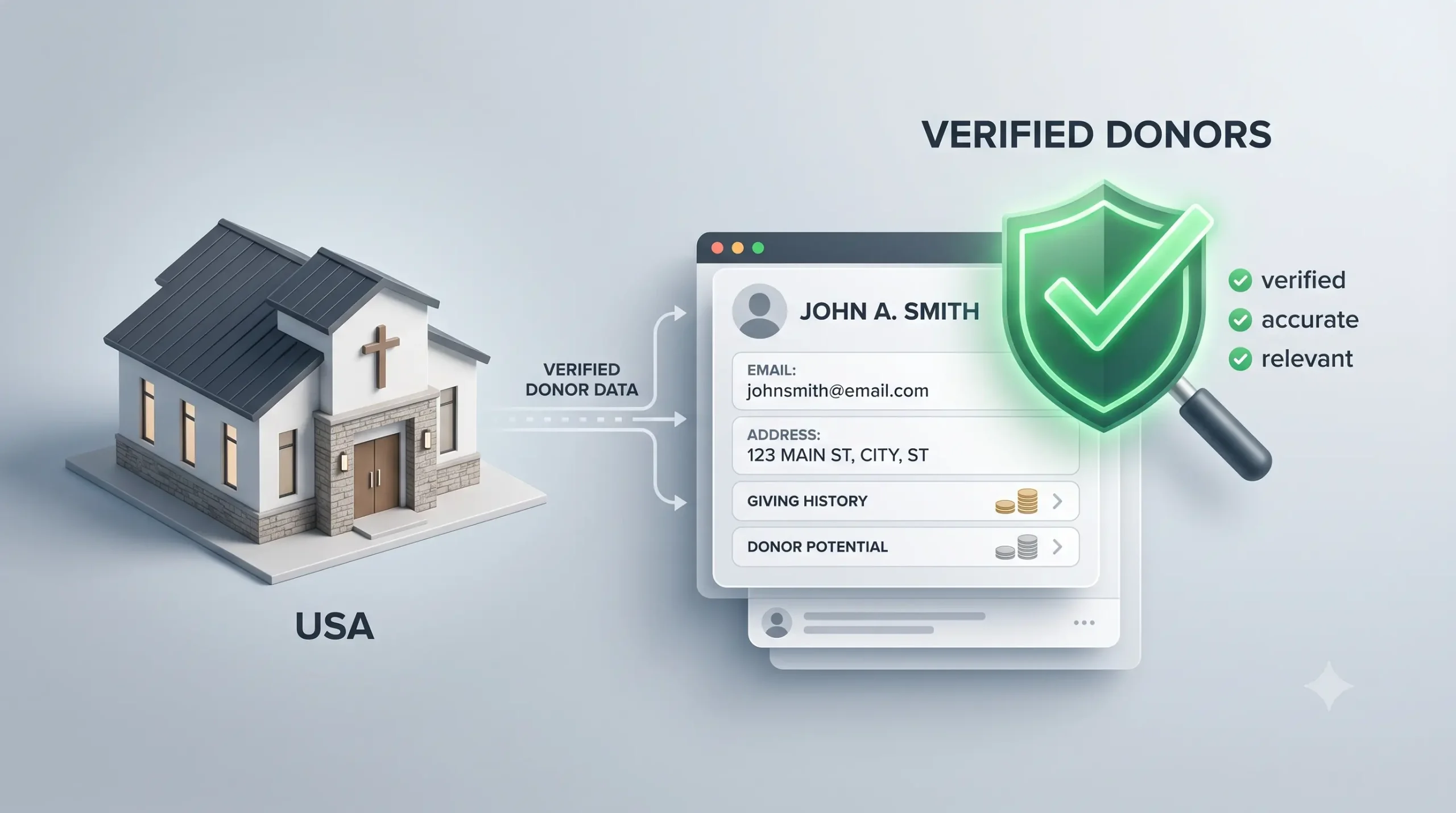
A christian mailing list is a database of individuals identified as Christian based on various behavioral indicators, self-reported information, or denominational affiliations.
Standard data fields include full name, complete mailing address verified through NCOA processing, age or date of birth, and often household income estimates. These basic demographics allow targeting by age groups, geographic areas, and economic segments.
Religious indicators differentiate Christian lists from general consumer lists. These might include specific denominational affiliation like Baptist, Catholic, Methodist, Lutheran, Presbyterian, Pentecostal, or nondenominational. Some lists identify evangelical Christians specifically or distinguish between mainline and evangelical Protestant traditions.
Behavioral data enhances targeting precision. A quality christian mailing list might include information about church attendance frequency, charitable giving to religious organizations, subscription to Christian publications, purchases of Christian books or products, or attendance at Christian events.
Contact information beyond mailing addresses enables multi-channel campaigns. Email addresses support email marketing follow-up. Phone numbers allow telemarketing or appointment setting.
Compilation sources affect data quality and targeting accuracy. Self-reported survey data where individuals explicitly identify as Christian tends to be most accurate. Purchase and subscription records for Christian products demonstrate active faith engagement.
Major Types of Christian Mailing Lists Available
Not all Christian lists serve the same purposes. Understanding different list types helps organizations select appropriate options.
Compiled Christian consumer lists contain individuals identified through various data sources as Christian. These offer broad coverage and reasonable costs, typically $80 to $200 per thousand names. They work well for initial prospecting to large Christian audiences.
Denominational lists focus on specific Christian traditions. A Baptist mailing list targets Baptist church members. A Catholic list reaches Catholics specifically. Denominational targeting matters when messages align with specific theological traditions.
Response lists contain Christians who’ve taken specific actions demonstrating active faith engagement. These include donors to Christian ministries, subscribers to Christian magazines, or purchasers of Christian books. These lists cost more, usually $150 to $300 per thousand, but deliver higher response rates.
Clergy and church leadership lists target pastors, ministers, and church administrators rather than general congregation members. These work for marketing church supplies, Christian education resources, or ministry tools.
How Churches Use Christian Mailing Lists for Growth
Local churches represent major users of Christian mailing lists for member recruitment and congregational growth.
Church growth campaigns target Christians in geographic proximity who aren’t currently attending church regularly. A nondenominational church might mail to Christian households within five miles inviting them to services or special events. Geographic targeting matters critically because people rarely drive long distances to church.
Denominational targeting helps churches reach their specific faith tradition. A Presbyterian church targets Presbyterian households who may have relocated and are seeking a new church home.
New mover campaigns use Christian mailing lists combined with new resident data. When Christian families relocate, they often seek new church homes. Churches mailing welcome packages to recent Christian movers capture families during this transition.
Special event promotion drives attendance through targeted invitations. Easter services, Christmas programs, Vacation Bible School, or parenting conferences all benefit from mailings to Christian households likely to appreciate these offerings.
Ministry and Nonprofit Applications
National and international Christian ministries rely heavily on mailing lists for fundraising and awareness campaigns.
Donor acquisition campaigns use Christian mailing lists to identify prospects likely to support specific causes. A ministry focused on persecuted Christians might target evangelical Christian donors who’ve given to international missions.
The targeting precision available through specialty lists allows ministries to reach donors whose values align with their work. Response rates improve dramatically when appeals reach people predisposed to care about the ministry’s focus area.
Newsletter and publication subscriptions use Christian lists to build readership. Christian magazines, devotional content, and Bible study resources all gain subscribers through targeted mailings to engaged Christians interested in spiritual growth.
Mission trip recruitment reaches Christians interested in short-term missions. Organizations offering mission opportunities use lists of Christians who’ve previously participated in missions or demonstrated interest in global ministry.
Christian Business and Product Marketing
Companies selling Christian products and services use these lists to reach their core customer base.
Christian publishing houses promote books through mailings to Christians who’ve purchased similar titles. A book about marriage reaches Christians interested in family topics. Biblical fiction targets Christian readers who’ve bought similar novels.
Christian music labels market albums and concert tours to Christians who’ve purchased Christian music previously. Contemporary Christian music appeals to different segments than traditional hymns or worship music.
Christian retail and e-commerce businesses use lists to drive catalog requests and online traffic. Christian bookstores and gift shops mail to Christian households promoting products aligned with faith values.
Christian education institutions recruit students through Christian mailing lists. Bible colleges, Christian universities, and seminaries target Christian families with college-age children.
Travel and tourism companies market Christian tours and cruises. Holy Land trips, Christian heritage tours, and faith-based cruises all find audiences through Christian mailing lists.
Political and Advocacy Campaign Uses
Christian mailing lists play significant roles in political mobilization and issue advocacy.
Voter registration and turnout campaigns use Christian lists to identify and mobilize Christian voters. While these must be nonpartisan to comply with regulations, organizations encourage civic engagement among Christians around biblical values.
Issue advocacy campaigns mobilize Christians around specific causes. Pro-life organizations, religious liberty advocates, and other faith-based advocacy groups use Christian lists to build awareness and recruit activists.
These applications require careful attention to regulations governing political communications and tax-exempt organization activities. Working with experienced list brokers who understand these compliance requirements protects organizations from costly mistakes.
Multi-Channel Campaign Strategies
The most effective Christian outreach combines multi-channel campaigns using direct mail as foundation.
Direct mail establishes initial contact and credibility. A quality printed piece introduces the organization, explains the mission or offer, and provides response mechanisms. Christians generally engage thoughtfully with physical mail.
Email follow-up reinforces direct mail messages. An email sent three to five days after a mailing reminds recipients about the offer and provides easy digital response options.
Telemarketing to engaged prospects closes high-value opportunities. When Christians respond to mailings by visiting websites or requesting information, follow-up calls can secure commitments.
Social media retargeting extends reach to digital channels. Email addresses from Christian mailing lists can create custom Facebook audiences, allowing organizations to serve ads to people who received direct mail.
Measuring Success With Christian Mailing Lists
Response metrics for Christian audiences differ from general consumer campaigns and require appropriate benchmarks.
Direct mail response rates to Christian audiences typically range from 1.5 to 4 percent depending on offer type and list quality. Fundraising appeals to proven Christian donors might achieve 3 to 5 percent response. Church invitations might see 1 to 2 percent.
Email open rates for permission-based Christian email lists typically fall between 20 and 30 percent. Click-through rates of 3 to 6 percent are common when messages align with recipient interests.
Conversion metrics should account for Christian decision-making patterns. Christians often pray about decisions and take time for thoughtful consideration. Measuring response over 30 to 45 days provides more accurate campaign assessment.
Lifetime value calculations are especially important for ministry fundraising. Christian donors who respond to acquisition mailings often become long-term supporters giving for years or decades.
Best Practices for Messaging to Christian Audiences
Effective campaigns to Christian mailing lists require culturally appropriate messaging that resonates with faith-based values.
Authentic faith alignment matters tremendously. Christians quickly detect inauthentic attempts to use religious language for purely commercial purposes. Messages should genuinely reflect Christian values.
Scripture references and faith language work when used appropriately. Relevant Bible verses can reinforce messages. Faith-based terminology resonates when it’s natural rather than forced.
Testimonials from other Christians build credibility and trust. Real stories from believers who’ve benefited from products, attended churches, or supported ministries convince Christian prospects more effectively than marketing claims.
Clear mission alignment helps Christians understand how responding advances kingdom purposes. Whether donating to feed hungry children or attending a church that spreads the gospel, believers want to know their actions serve godly purposes.
Respect for denominational differences prevents alienating segments. Messages to broad Christian audiences should avoid controversial theological positions that divide denominations.
Working With List Brokers for Christian Outreach
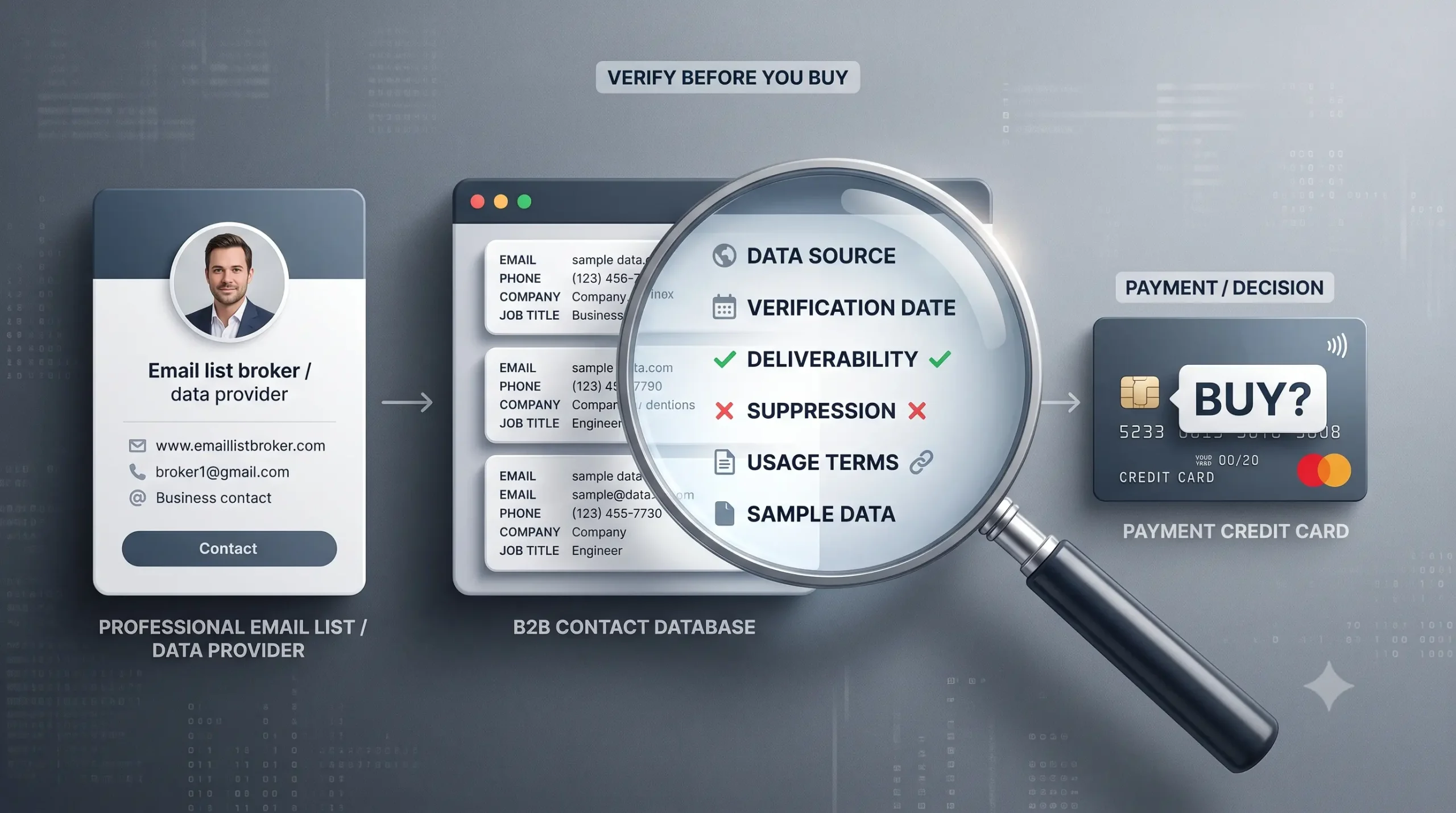
Successfully using a christian mailing list starts with working with experienced list brokers who understand faith-based marketing.
Brokers access dozens of Christian list sources including compiled consumer data, response files from Christian organizations, and denominational membership records. They recommend optimal combinations based on campaign goals and budgets.
Targeting guidance helps refine selections. Rather than mailing all Christians in a region, brokers suggest age ranges, income levels, denominational filters, and behavioral indicators that identify most responsive prospects.
Compliance consulting ensures campaigns meet regulations. Christian organizations must comply with charitable solicitation laws and tax-exempt organization restrictions. Brokers familiar with faith-based marketing help navigate these requirements.
Testing strategies maximize return on investment. Brokers recommend testing denominational segments, age groups, or giving levels to identify which Christian audiences respond best before scaling.
Christian mailing lists enable churches, ministries, nonprofits, and faith-based businesses to connect with individuals who share their values and respond to biblically-aligned messaging. From local church growth to national ministry fundraising to Christian product marketing, these targeted databases drive measurable results when used strategically.
Success requires understanding different list types, selecting appropriate targeting criteria, crafting culturally resonant messages, and measuring results with appropriate benchmarks.
Ready to use Christian mailing lists for your faith-based outreach? Work with experienced list brokers who understand Christian audiences and can recommend optimal targeting through consumer lists, specialty lists, and multi-channel campaigns.