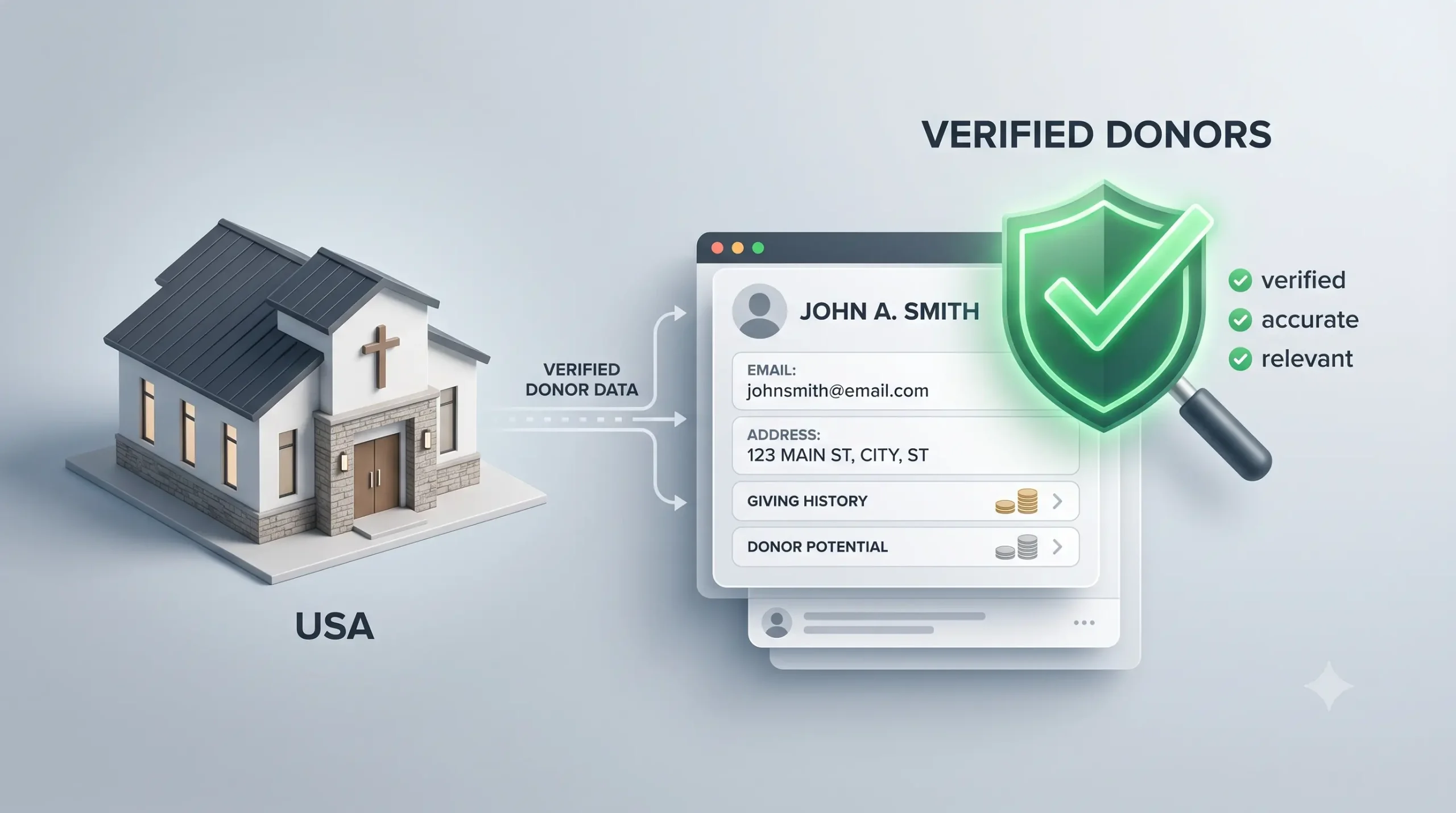
Faith-based organizations face a critical channel decision when using Christian mailing lists for outreach and fundraising. Should they invest in direct mail or email campaigns? While digital marketing dominates conversations about modern marketing, data consistently shows a christian mailing list used for direct mail outperforms the same list used for email by substantial margins when targeting Christian audiences.
Understanding why this performance gap exists helps ministries, churches, and faith-based nonprofits allocate limited budgets effectively. The reasons span generational preferences, trust dynamics, engagement patterns, and fundamental differences in how Christians process physical versus digital communications.
Response Rate Reality: The Numbers Tell the Story
Hard data reveals dramatic performance differences between direct mail and email when using Christian mailing lists.
Direct mail campaigns to Christian audiences typically generate 2 to 5 percent response rates for relevant offers. Fundraising appeals to proven Christian donors often achieve 3 to 5 percent response. Church invitations see 1 to 2 percent response. Product offers generate 2 to 3 percent response.
Email campaigns to the same Christian audiences deliver far lower conversion rates. While opt-in email lists of Christians may achieve 20 to 30 percent open rates, click-through rates average only 2 to 4 percent. Conversion rates from click to actual donation or commitment run under 1 percent in most cases.
The math becomes stark when calculating true response. An email with 25 percent open rate, 3 percent click-through, and 0.5 percent conversion delivers 0.0375 percent final response. Direct mail at 3 percent response outperforms this by 80 times.
Cost per acquisition favors direct mail despite higher upfront costs. Email might cost $20 per thousand versus $800 per thousand for direct mail. However, direct mail’s superior response compensates. Spending $800 to acquire 30 donors costs $26.67 per donor. Spending $20 to acquire 0.4 donors costs $50 per donor.
Generational Preferences Drive Channel Performance
The age demographics of Christian giving explain much of direct mail’s advantage.
Christians ages 50 and above control the vast majority of charitable giving capacity. This demographic grew up when direct mail represented the primary way organizations communicated directly with individuals. They developed lifelong habits around checking mail, reading materials thoroughly, and responding through postal channels.
These patterns persist into later life. Seniors allocate dedicated time to mail processing. They open envelopes, read contents carefully, and set aside pieces requiring consideration. Email gets scanned quickly or deleted without thorough review.
The giving pyramid in Christian philanthropy is heavily weighted toward older donors. A 65-year-old Christian retiree gives more annually than five 30-year-old Christians combined on average. Reaching that 65-year-old effectively through their preferred channel matters more than reaching five younger Christians through a channel they’ll ignore.
Trust and Credibility Advantages of Physical Mail
Christians demonstrate heightened skepticism toward digital communications, affecting email performance.
Scam awareness creates email barriers. Christians have heard repeatedly about phishing emails and fraudulent donation requests. This justified wariness means promotional emails from unfamiliar organizations often get deleted without opening.
Physical mail carries inherent credibility signals. The effort and expense required to print materials and mail packages demonstrates organizational legitimacy. Christians reason that scammers wouldn’t invest in costly direct mailing lists and production when free email exists.
Verification opportunities support direct mail trust. A Christian receiving a mailing can examine the return address, research the organization online, and verify legitimacy before responding. Email headers don’t offer the same transparent verification.
Family consultation happens more naturally with physical mail. A senior considering a ministry donation shows the mailing to their adult daughter for input. Email buried in an inbox rarely gets shared for family consultation.
Engagement Quality Differs Dramatically Between Channels
How Christians interact with direct mail versus email fundamentally affects campaign outcomes.
Reading depth and comprehension favor direct mail. Christians receiving fundraising appeals through mail read them thoroughly, absorbing mission details and beneficiary stories. Email recipients skim quickly, missing nuance that drives emotional connection.
Time allocation reflects different value perceptions. Christians spend 3 to 5 minutes reading direct mail pieces that interest them. Email gets 10 to 30 seconds of attention. This 10-fold attention difference allows direct mail to tell complete stories email cannot.
Physical interaction creates memory formation. Holding paper and writing on reply cards creates stronger memory traces than digital scanning. Christians remember direct mail appeals days later. Email fades from memory within hours.
Persistent visibility extends consideration periods. A direct mail piece sits on a kitchen counter for days reminding the recipient to respond. Once email is closed, it’s forgotten unless flagged.
Response Mechanisms Match Christian Preferences
How Christians prefer to take action aligns better with direct mail than email.
Check writing remains preferred by many Christian donors. Older Christians particularly prefer mailing checks rather than entering credit card information online. Direct mail enables this with included reply envelopes. Email forces online transactions many Christians avoid.
Phone response accommodates technology hesitancy. Many Christians who receive direct mail prefer calling to donate rather than visiting websites. They can speak with real people without navigating digital platforms.
Multi-step consideration fits direct mail. Christians often pray about giving decisions and discuss with spouses before committing. Direct mail pieces remain accessible during this process.
Email-Specific Challenges With Christian Audiences
Beyond direct mail’s advantages, email faces specific challenges reaching Christian audiences effectively.
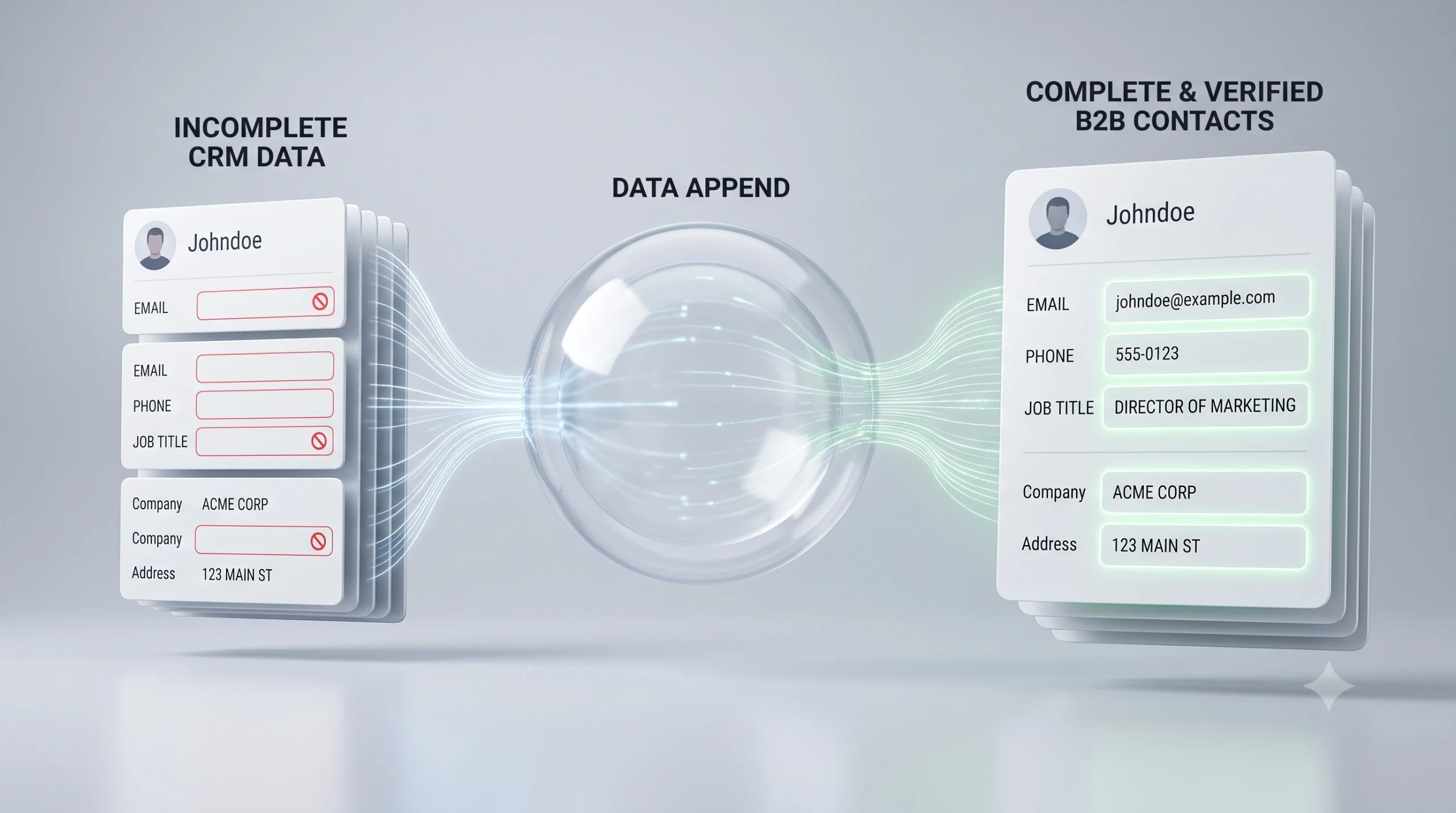
Email address availability limits reach. Appending email addresses to a christian mailing list yields 30 to 50 percent match rates. This means half your audience becomes unreachable through email.
Deliverability issues reduce inbox placement. Even with quality email lists, spam filters block 10 to 20 percent of messages.
Inbox competition overwhelms recipients. The average person receives 100 to 150 emails daily. A fundraising appeal competes with work emails and hundreds of marketing messages. Direct mail competes with 5 to 10 other pieces daily.
Mobile viewing reduces effectiveness. Many Christians check email on smartphones where long fundraising appeals don’t display well. Complex stories that work in direct mail fail on small screens.
Where Email Does Add Value to Christian Outreach
Email isn’t worthless for Christian audiences, but works best in specific contexts rather than as primary channel.
Follow-up to direct mail works well. An email sent 3 to 5 days after a direct mail drop referencing “the information we recently mailed you” gains attention. Christians who saved the physical piece appreciate digital reminders.
Engagement tracking identifies hot prospects. When Christians click email links after receiving mailings, they signal interest. These engaged prospects warrant phone follow-up.
Donor cultivation between major appeals maintains relationships. Regular email updates about ministry work keep donors connected between fundraising campaigns without printing and mailing costs.
Event reminders and logistics work efficiently through email. Once someone has registered for a conference or mission trip, email handles confirmation and details effectively.
Multi-Channel Strategies Leveraging Both Direct Mail and Email
The optimal approach uses multi-channel campaigns with direct mail as foundation and email as supplement.
Direct mail establishes credibility and delivers core message. The initial touch through physical mail introduces the organization and builds trust through quality production and substantial content.
Email reinforces and reminds without replacing. Follow-up emails after direct mail keep appeals top-of-mind for Christians who need additional time to decide.
Phone outreach to most engaged prospects closes high-value opportunities. Christians who respond by visiting websites demonstrate serious interest warranting telemarketing follow-up.
Coordinated sequencing maximizes total response. Mail on day 1, email on day 5, second email on day 12. This multi-touch approach outperforms any single channel.
Cost-Benefit Analysis: Direct Mail Wins Despite Higher Costs
Understanding true ROI clarifies why higher direct mail costs still deliver better value.
Direct mail all-in costs run $800 to $1,200 per thousand pieces including list rental, creative, printing, and postage. Email costs $20 to $50 per thousand.
However, cost per response tells the real story. At 3 percent response, direct mail at $1,000 per thousand generates 30 responses costing $33 each. At 0.04 percent conversion, email at $30 per thousand generates 0.4 responses costing $75 each.
Donor lifetime value considerations favor direct mail even more. Christians acquired through direct mail typically give larger initial gifts, give more frequently, and remain donors longer than those acquired through email.
Testing budgets should allocate accordingly. Organizations should invest 70 to 80 percent of Christian outreach budgets in direct mail with 20 to 30 percent in email based on typical performance differences.
Working With List Brokers to Optimize Channel Selection
Navigating Christian list options across channels benefits from experienced list brokers who understand performance realities.
Brokers help organizations understand realistic expectations for each channel when targeting Christians. They share benchmark data from similar campaigns so clients can budget appropriately.
List recommendations account for channel differences. The best christian mailing list for direct mail may differ from the best for email. Brokers suggest appropriate sources for each channel.
Consumer lists with Christian overlays, specialty donor lists, and denominational lists all perform differently across channels. Broker expertise helps match list types to channel strategies.
Testing guidance prevents wasting budget on underperforming approaches. Rather than splitting budgets equally based on assumptions, brokers recommend testing to identify actual performance before scaling.
Christian mailing lists consistently deliver superior results through direct mail compared to email when targeting believers for fundraising, outreach, or product marketing. The performance gap stems from generational preferences, trust dynamics, engagement quality, and response mechanism alignment favoring physical mail.
While email plays supporting roles in multi-channel campaigns, faith-based organizations maximizing ROI invest the majority of budgets in direct mail to Christian audiences. The higher upfront costs prove worthwhile given dramatically higher response rates and superior lifetime value.
Ready to maximize results from Christian mailing lists? Work with experienced list brokers who can guide you through consumer lists, specialty lists, and multi-channel strategies.