Direct mail fundraising to Christian audiences remains one of the most effective ways to acquire new donors and build sustainable revenue for faith-based organizations. When executed strategically using quality Christian mailing lists, direct mail campaigns generate response rates 2 to 5 times higher than digital channels targeting the same demographic.
Understanding how to use a christian mailing list effectively for fundraising requires more than just renting names and sending appeals. Success depends on selecting appropriate list segments, crafting messages that resonate with Christian values, timing campaigns strategically, and measuring results to optimize ongoing efforts.
Why Direct Mail Still Dominates Christian Fundraising
Despite digital marketing’s rise, direct mail remains the primary channel for acquiring Christian donors in 2026.
Generational preferences support direct mail engagement. Christians ages 50 and above, who control the majority of charitable giving capacity, grew up with physical mail as a primary communication channel. They allocate time daily to process mail and respond at rates digital channels cannot match.
Trust and credibility come naturally with physical mail. Christians concerned about online scams treat direct mail from recognized organizations as legitimate communications. The investment required to print and mail materials demonstrates organizational credibility.
Tangible presence creates persistent reminders. A direct mail piece sits on a kitchen counter for days until the recipient takes action. Digital messages disappear once deleted. This extended visibility keeps appeals top-of-mind during decision-making.
Response mechanisms accommodate Christian preferences. Many Christians prefer mailing checks or calling to donate rather than entering credit card information online. Direct mailing lists enable organizations to offer response options matching donor comfort levels.
Selecting the Right Christian Mailing List for Fundraising
Not all Christian lists work equally well for fundraising. Choosing appropriate lists determines campaign success.
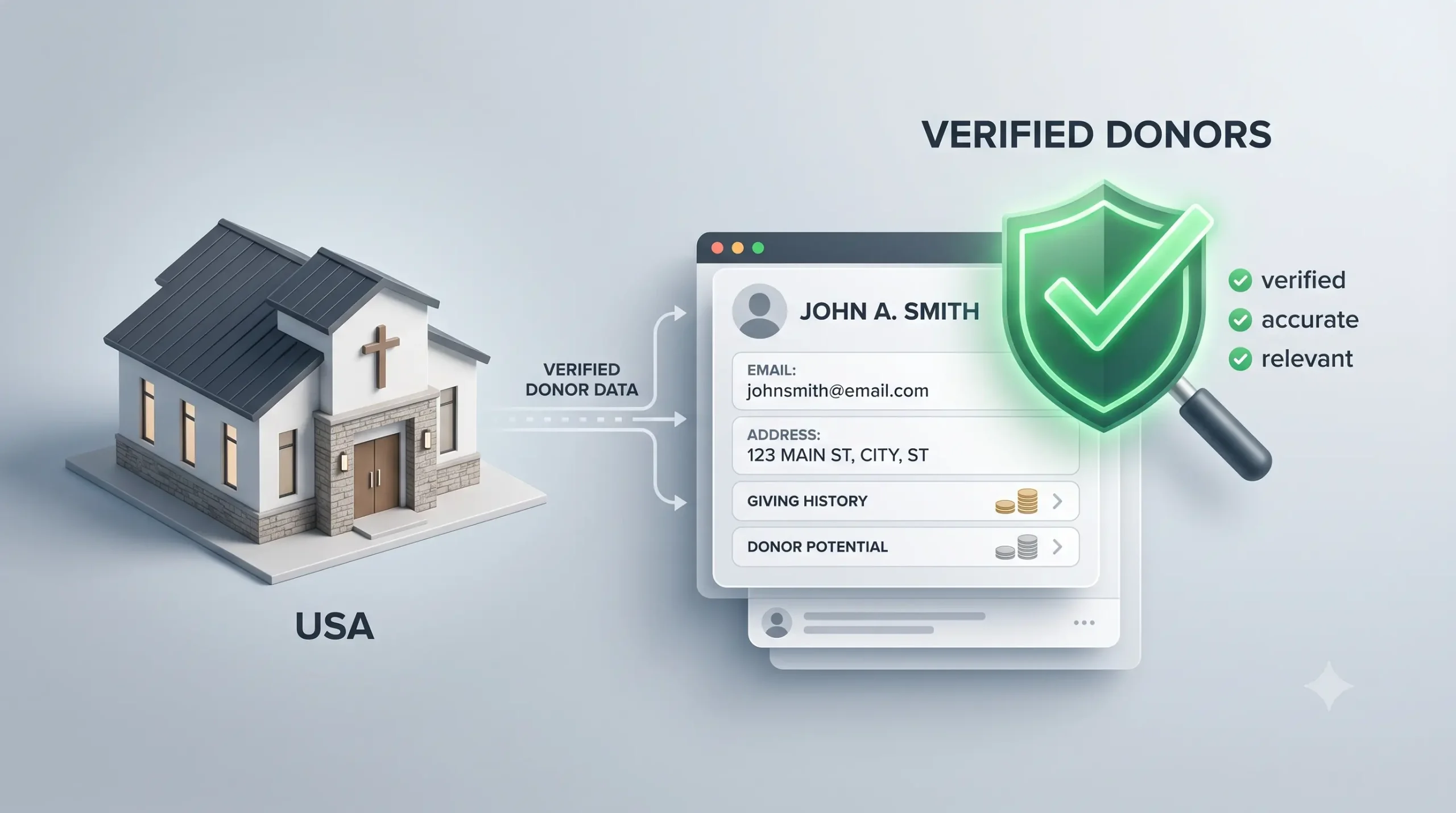
Donor lists of Christians with proven giving histories represent the gold standard for fundraising. These response lists contain individuals who’ve donated to Christian ministries or faith-based causes. They cost more, typically $150 to $300 per thousand names, but deliver 2 to 3 times higher response rates than compiled lists.
Cause alignment matters tremendously. A ministry focused on international missions should target Christians who’ve given to similar causes rather than general Christian donors. Match your cause to donor giving patterns.
Denominational considerations affect giving. Evangelical Christians tend to give higher percentages of income to ministry than mainline Protestants. Catholics preferentially support Catholic institutions. Understanding these patterns helps target Christians most likely to resonate with your organization’s theological tradition.
Recency, frequency, and monetary value predict future giving. Recent donors give again more readily than lapsed donors. Frequent givers support multiple causes. Quality consumer lists with Christian overlays include these behavioral indicators.
Income and wealth indicators ensure reaching Christians with capacity to give at levels your ask requires. Major gift campaigns need affluent Christian segments. Grassroots campaigns can succeed with middle-income believers.
Crafting Fundraising Appeals That Resonate With Christian Donors
Message development determines whether quality lists deliver results or waste money.
Mission clarity helps Christians understand what their gifts accomplish. Vague appeals about “supporting ministry” underperform specific descriptions of feeding hungry children, providing clean water, or training pastors. Concrete impact drives response.
Story-driven content connects emotionally while maintaining authenticity. Individual beneficiary stories with names and photos resonate more than statistics. However, stories must be real and representative. Christians value honesty.
Scripture integration, when appropriate and natural, reinforces biblical motivation for giving. Relevant verses about generosity or caring for the poor can strengthen appeals. However, heavy-handed proof-texting feels manipulative.
Clear ask amounts with suggested gift arrays guide giving levels. Rather than leaving donors uncertain how much to give, provide specific options like $50, $100, $250, or $500 with descriptions of what each level accomplishes.
Multiple response mechanisms accommodate different preferences. Include reply envelope for check writers, phone number for callers, and URL for online givers.
Design Elements That Maximize Response From Christian Audiences
Physical presentation affects whether Christians engage with appeals or discard them.
Quality production signals organizational credibility. Cheap paper and poor printing suggest financial desperation. Christians judge ministry competence partly by materials quality. Invest in respectable production values.
Letter format outperforms brochures for fundraising. Personal letters from organizational leaders feel more authentic than slick marketing pieces. Longer letters allowing thorough explanation often outperform brief messages.
Personalization beyond name fields builds connection. Variable data printing can reference specific donor interests or past giving to similar causes.
Font sizes of 12 to 14 points ensure readability for aging Christian donors. Many supporters are seniors who struggle with small type.
Photography showing real beneficiaries and ministry work provides tangible proof of impact. Authentic photos outperform stock images.
Timing Fundraising Campaigns to Christian Giving Patterns
When you mail significantly affects response rates from christian mailing list campaigns.
Year-end giving dominates Christian charitable donations. November and December generate disproportionate percentages of annual giving as Christians make year-end charitable decisions. Mailing early in November and again in mid-December captures this giving surge.
Easter season represents another strong giving period. Christians celebrate resurrection through generosity. March and April campaigns often perform well.
Avoid major Christian holidays when families travel. Christmas week and Easter week see reduced mail engagement. Mail before or after these weeks.
Regular cadence builds donor relationships. Rather than mailing once annually, successful organizations contact Christian donors quarterly or more frequently. Consistent communication builds familiarity and trust.
Measuring Success and Optimizing Performance
Systematic tracking transforms one-time campaigns into continuously improving fundraising programs.
Response rate tracking by list segment reveals which Christian audiences perform best. Calculate responses as percentage of total mailed for each list.
Cost per acquisition determines financial efficiency. Divide total campaign costs by number of new donors acquired. Compare this to donor lifetime value.
Average gift analysis guides future ask strategies. If donors average $75 gifts, asking for $25 leaves money on the table. Match ask arrays to actual giving patterns.
Revenue per thousand pieces mailed enables list comparison. One list generating $2,500 revenue from 1,000 mailings outperforms another generating $1,200 even if response rates are similar.
Donor retention rates determine long-term value. Track how many new donors from each list segment give second gifts. Lists producing loyal donors justify higher acquisition costs.
Testing variations systematically improves results. Test different list segments, letter lengths, ask amounts, and images. Scale winners while dropping losers.
Multi-Touch Sequences That Increase Total Response
Single mailings rarely maximize potential from quality Christian mailing lists.
Three-part sequences outperform single touches. Mail initial appeal, follow up 10 to 14 days later with reminder, then mail final urgent appeal 7 to 10 days after that. Each additional touch captures donors who needed more time.
Varying creative across touches maintains interest. The first mailing might use a personal letter. The second could include a brief reminder postcard.
Integration with other channels amplifies impact. Follow direct mail with email reminders to Christians who have email addresses. Multi-channel approaches consistently outperform mail alone.
Suppression between mailings prevents over-mailing. Remove donors who responded to initial mailings from subsequent waves.
Budget Allocation for Christian Fundraising Campaigns
Understanding true costs helps organizations invest appropriately in donor acquisition.
List rental represents 20 to 30 percent of total campaign costs. If Christian lists cost $200 per thousand and you’re mailing 10,000 pieces, list rental is $2,000. Creative, printing, and postage add $6,000 to $8,000 for total campaign costs of $8,000 to $10,000.
Break-even analysis determines acceptable acquisition costs. If average new donor gives $85 initially and $150 over three years, spending $50 to acquire them makes financial sense.
Testing budgets should be 10 to 20 percent of total fundraising budget. Organizations mailing 100,000 pieces annually should test 10,000 to 20,000 pieces across multiple segments before scaling proven winners.
Return on investment targets guide strategic decisions. Successful Christian fundraising campaigns targeting cold prospects should generate 1.5 to 3 times return on investment in year one, with much higher returns over donor lifetimes.
Compliance and Ethical Considerations
Christian fundraising carries additional ethical obligations beyond legal requirements.
State charitable solicitation laws require registration before soliciting donations from many states’ residents. Organizations mailing nationally need compliance across multiple state requirements. Working with experienced list brokers who understand these regulations prevents costly violations.
Truth in advertising means every claim about ministry work must be accurate. Christians rightly expect honesty from faith-based organizations. Exaggerations damage credibility.
Donor privacy protection matters particularly in faith-based contexts. Never sell or rent donor names. Protect sensitive information about giving patterns.
Opt-out requests must be honored promptly and permanently. When someone asks not to receive further mailings, remove them immediately from all lists.
Working With List Brokers for Fundraising Success
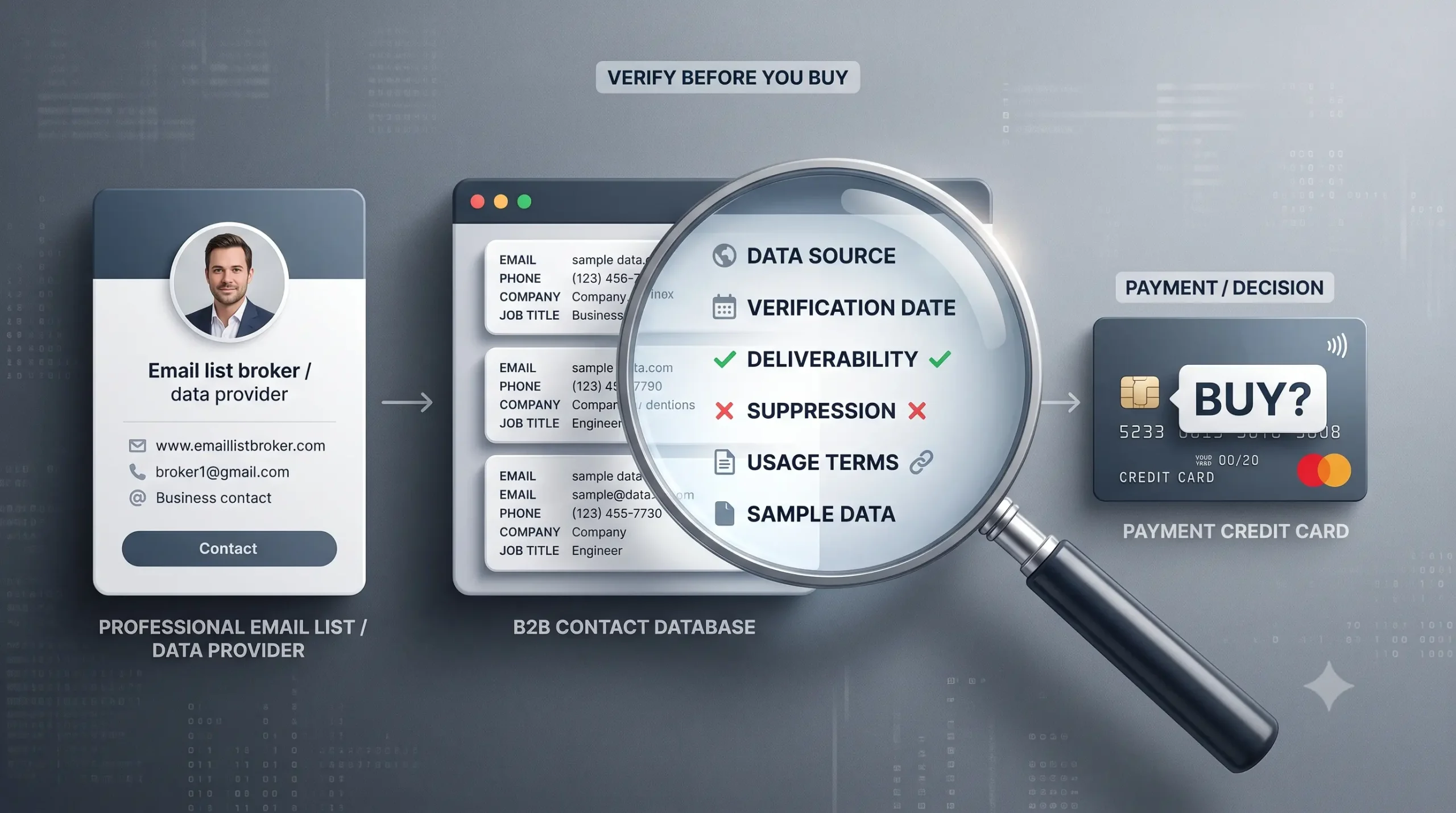
Navigating dozens of Christian list options and complex compliance requirements benefits from professional guidance.
Brokers access multiple Christian donor list sources including specialty lists from ministry mailers and religious publication subscribers. They recommend optimal combinations based on your cause and budget.
Targeting expertise helps refine selections beyond basic criteria. Rather than mailing all evangelical Christian donors, brokers suggest age ranges, income levels, and giving histories identifying highest-potential prospects.
Testing strategies based on similar client campaigns save reinventing the wheel. Brokers know which Christian segments typically perform well for international missions versus domestic ministries.
Compliance guidance ensures campaigns meet state charitable solicitation requirements. Brokers familiar with Christian fundraising help navigate complex regulatory landscape.
Christian mailing lists enable faith-based organizations to connect with believers who share their values and respond generously to causes aligned with biblical principles. Direct mail fundraising, when executed with quality lists, authentic messaging, strategic timing, and systematic optimization, consistently outperforms digital channels for Christian donor acquisition.
Ready to launch effective direct mail fundraising campaigns using Christian mailing lists? Work with experienced list brokers who can guide you through consumer lists, specialty donor lists, and multi-channel strategies.