In a world dominated by digital noise, there’s something refreshingly tangible about direct mail. It lands in your prospect’s hands, not their spam folder. It doesn’t require an internet connection or a swipe-up. And when done right, it delivers ROI that makes digital marketers jealous.
But here’s the thing: your direct mail campaign is only as good as the list behind it.
You could have the most gorgeous postcard design, the most compelling offer, and perfect timing but if you’re mailing to the wrong people, you’re essentially burning money and trees. That’s where direct mail lists come in, and that’s exactly what we’re unpacking today.
What Exactly Is a Direct Mail List?
A direct mail list is a database of physical mailing addresses for individuals or businesses that match specific criteria. Think of it as your campaign’s roadmap it tells you exactly where to send your message to reach the people most likely to respond.
But it’s not just a random collection of addresses pulled from a phone book (do those even exist anymore?). Modern direct mail lists are sophisticated, segmented, and laser-focused. They include:
- Full names and mailing addresses
- Demographic information (age, income, homeownership status)
- Behavioral data (purchase history, interests, lifestyle indicators)
- Firmographic details for B2B (company size, industry, revenue)
- Geographic targeting (ZIP codes, cities, neighborhoods)
The oldest form of direct marketing dating back to the late 1800s direct mail has evolved from simple catalog mailings to highly targeted, data-driven campaigns that blend physical and digital strategies.
Types of Direct Mail Lists: Finding Your Perfect Match
Not all direct mail lists are created equal. Depending on who you’re trying to reach, you’ll need different types of lists.
1. Consumer Direct Mail Lists
These target individual households and consumers. Whether you’re a local gym looking for new members or a financial advisor seeking affluent clients, consumer direct mail lists help you reach people based on:
- Age, income, and household composition
- Homeownership status and property value
- Purchase behavior and brand preferences
- Life events (new movers, new parents, recent graduates)
- Hobbies and interests (travel enthusiasts, pet owners, fitness buffs)
Example: A luxury car dealership could target homeowners earning $150K+ within a 25-mile radius who’ve shown interest in premium automotive brands.
2. Business Direct Mail Lists (B2B)
When you need to reach decision-makers at companies, business direct mail lists are your weapon of choice. These lists include:
- Company name, address, and industry classification (SIC/NAICS codes)
- Contact names and job titles (CEOs, Marketing Directors, Procurement Managers)
- Company size metrics (employee count, annual revenue)
- Geographic targeting and location data
- Technology usage and business attributes
Example: A B2B software company selling inventory management systems could target manufacturing companies with 50-200 employees and $5M-$50M in annual sales.
3. Specialty Direct Mail Lists
Sometimes a basic list won’t cut it. That’s when specialty lists come into play. These are hyper-targeted lists built for niche markets:
- Industry-specific: Automotive aftermarket, healthcare professionals, hospitality businesses
- Behavioral segments: First-time homebuyers, recent college graduates, frequent travelers
- Affinity groups: Luxury shoppers, eco-conscious consumers, tech early adopters
- Life-stage targeting: New parents, retirees, empty nesters
Yes, specialty lists cost more than basic lists. But when you’re targeting pool owners in Southern California who’ve recently renovated their homes, that precision pays off in response rates.
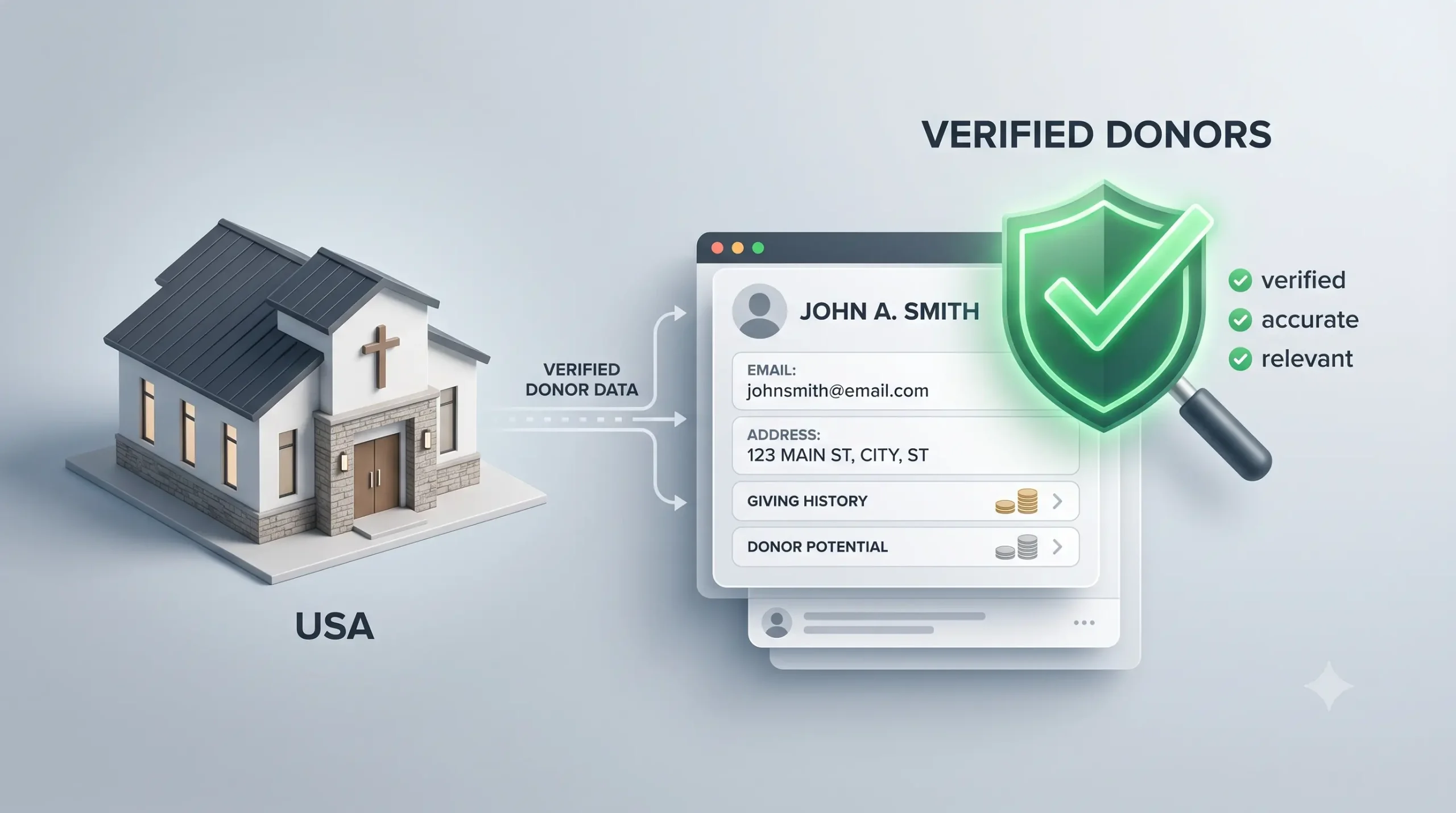
4. Donor Lists (Nonprofit-Specific)
If you’re running a nonprofit or charity, donor mailing lists are gold. These target individuals with proven giving histories:
- Donors to similar causes or organizations
- High-net-worth individuals with philanthropic interests
- Previous donors who may have lapsed
- Specific cause affinity (animal welfare, education, health research)
Bonus insight: Direct mail still outperforms digital for donor acquisition in the nonprofit sector. There’s something about a physical ask that resonates with charitable giving.
How Direct Mail Lists Are Built (And Why Quality Matters)
You might be wondering: Where do these addresses even come from?
Reputable list providers compile data from multiple sources:
- Public records (property records, voter registration, business registrations)
- Consumer surveys and warranty registrations
- Purchase transactions and subscription data
- Magazine subscribers and catalog buyers
- Trade show attendees and professional associations
- Online registrations and opt-in forms
Here’s the catch: data decays. People move. Businesses close. Job titles change. According to industry research, approximately 20-25% of mailing list data becomes outdated annually.
That’s why working with a provider who regularly updates their databases is non-negotiable. You don’t want your beautiful brochure showing up at “Current Resident” or worse getting returned as undeliverable.
The Real Cost of Direct Mail Lists (And What Affects Pricing)
Let’s talk money. Direct mail list pricing isn’t one-size-fits-all. Several factors determine cost:
- List Source and Quality Premium compiled lists cost more than basic consumer files. You’re paying for accuracy and deliverability.
- Select Criteria (Targeting) The more specific you get, the higher the price:
- Basic list: Just addresses in a ZIP code
- Targeted list: Homeowners, age 35-55, income $75K+, with children
- Hyper-targeted: All of the above PLUS recent home buyers in specific neighborhoods
- Volume Most lists have minimum order quantities. Ordering 1,000 names typically costs more per record than ordering 10,000.
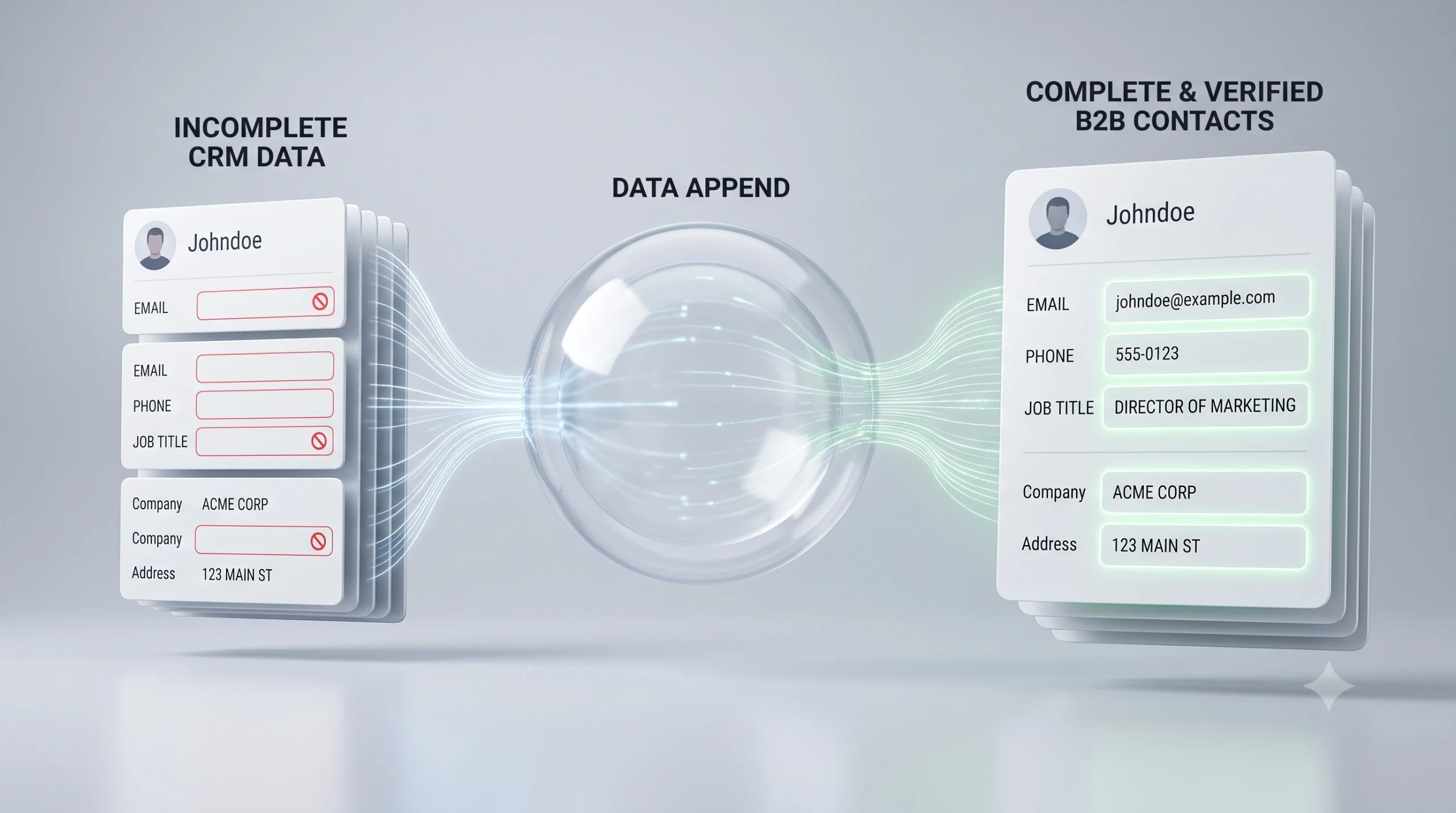
- Data Append Services Want to add phone numbers or email addresses to your mailing list? That costs extra but it opens up multi-channel marketing opportunities.
Pro tip: Don’t cheap out on your list to save a few hundred bucks. A highly targeted list of 5,000 names will outperform a generic list of 20,000 every single time.
How to Use Direct Mail Lists Effectively (Beyond Just Mailing Stuff)
Having a great list is step one. Actually getting results requires strategy:
Personalization Is Non-Negotiable
Mail addressed to “Current Resident” or “Dear Homeowner” screams “I don’t know you and I don’t care.” Use the names on your list. Personalized mail has a 135% higher response rate than generic mail.
Geographic Targeting Matters
ZIP code targeting lets you focus on specific neighborhoods, cities, or regions. A local HVAC company doesn’t need to mail to people 100 miles away tight geographic targeting saves money and improves relevance.
Layer Your Selects
Don’t just pick one criteria. Stack them:
- Age 45-65 + Income $100K+ + Homeowner + Interest in travel = Your ideal luxury vacation package prospect
Combine with Other Channels
Direct mail works even better when paired with email marketing or telemarketing. This multi-touch approach reinforces your message and dramatically improves response rates.
Test, Measure, Refine
Never mail your entire list on the first go. Test with a smaller segment, measure results, adjust your offer or creative, then scale up.
Direct Mail Lists vs. Email Lists: Why Not Both?
Here’s a common question: “Why bother with direct mail when email is cheaper?”
Fair point. Email is cheaper. But consider this: direct mail boasts a 90%+ open rate since physical mail is almost always opened, compared to email’s typical 20-25% open rate. Response rates tell an even more compelling story direct mail averages 4.9% according to the Direct Marketing Association, while email campaigns typically see 1% or less.
The lifespan difference is significant too. A piece of direct mail sits on a desk or counter for days, giving it multiple opportunities to be seen and acted upon. Email gets deleted in seconds, competing with 100+ other messages in an overcrowded inbox. There’s also the tangibility factor physical mail is memorable and creates a lasting impression, while digital messages are easily forgotten.
The smart move? Use both. Mail a postcard, follow up with an email. Or reverse it: email first, mail to non-openers. Multi-channel lists let you reach the same prospects across multiple touchpoints.
Should You Buy or Rent Direct Mail Lists?
Most marketers don’t actually “buy” lists in the traditional sense they rent them for a one-time use.
Here’s how it works:
- You pay for a list based on your targeting criteria and volume
- You mail to those addresses (typically one time or a short campaign)
- You cannot keep or re-use the list without paying again
- List owners often “seed” lists with decoy addresses to catch unauthorized use
Exception: If someone from your mailed list responds (makes a purchase, requests info, etc.), they become part of YOUR list. You can legally continue marketing to them.
Why the rental model? It protects list owners’ assets and ensures data stays current since you’re always accessing the most updated version.
The Role of List Brokers: Your Direct Mail Sherpa
With over 70,000 different direct marketing lists available in the marketplace, finding the right one is like finding a needle in a haystack while blindfolded.
That’s where list brokers come in.
What list brokers do:
- Unbiased recommendations (they’re not tied to any single list provider)
- Access to thousands of list sources you can’t find on your own
- Expert consultation to understand your campaign goals
- Quality vetting (they know which lists are accurate and which are garbage)
- Negotiating pricing and minimum order requirements
- Handling data delivery in the format you need
Think of them as matchmakers between your marketing goals and the perfect list. They ask the critical questions:
- When was the list last updated?
- What’s the source of the data?
- What’s the accuracy guarantee?
- How often is the list cleaned?
Questions you probably wouldn’t know to ask but should.
Common Direct Mail List Mistakes (And How to Avoid Them)
Even experienced marketers stumble. Here are the biggest pitfalls:
Mistake #1: Not Testing Before Scaling
Mailing 50,000 pieces only to discover your offer doesn’t resonate? Expensive lesson. Always test with 5,000-10,000 first.
Mistake #2: Ignoring Data Hygiene
Using outdated lists leads to wasted postage, returned mail, and damaged sender reputation. Always work with providers who regularly update their data.
Mistake #3: Over-Targeting or Under-Targeting
Too broad: You waste money mailing to people who’ll never buy. Too narrow: Your list is so small you can’t achieve meaningful volume. Sweet spot: Targeted enough to be relevant, broad enough to scale.
Mistake #4: Neglecting Your Own Customer List
Before buying external lists, mine your existing customer database. Past buyers are your warmest audience and typically deliver the highest ROI.
Mistake #5: Forgetting About Production Costs
Your list is just one piece of the puzzle. Factor in printing, postage, design, and fulfillment when budgeting.
Direct Mail Lists for Different Industries
Different industries have different needs. Here’s how direct mail lists apply across sectors:
Real Estate
Real estate professionals use direct mail to target:
- New movers in specific neighborhoods
- High-net-worth homeowners
- Pre-foreclosure or distressed properties
- Expired listings or FSBO (For Sale By Owner) properties
Automotive
Automotive businesses target:
- Owners of specific vehicle makes/models/years
- Car enthusiasts and luxury vehicle owners
- Households due for vehicle replacement (based on age of current vehicle)
Healthcare
Healthcare marketers reach:
- Patients by age, condition, or procedure
- Medical professionals by specialty
- Insurance policyholders
- Senior citizens (Medicare-eligible)
Hospitality & Tourism
Hospitality businesses target:
- Frequent travelers and vacation enthusiasts
- High-income households with travel history
- Recent hotel guests or resort visitors
- Specific geographic markets (promote ski resorts to warm-weather residents)
B2B Services
Business-to-business marketers use lists to reach:
- Decision-makers by title (CFOs, IT Directors, Operations Managers)
- Companies by size, industry, and revenue
- New businesses or startups
- Businesses using specific technologies
Measuring Direct Mail ROI: What Success Looks Like
How do you know if your direct mail campaign worked? Track these metrics:
Response Rate: Percentage of recipients who took action (called, visited website, redeemed offer). Consumer campaigns typically see 1-5%, while B2B campaigns commonly achieve 0.5-2%. High-performing campaigns can reach 5-10% or higher.
Cost Per Acquisition (CPA): Total campaign cost divided by number of new customers acquired.
Return on Investment (ROI): Revenue generated minus campaign cost, divided by campaign cost, then multiplied by 100.
Pro tip: Use unique phone numbers, QR codes, or personalized URLs (PURLs) to track responses accurately.
The Future of Direct Mail Lists: What’s Changing?
Direct mail isn’t dying it’s evolving:
AI and Predictive Modeling: Advanced algorithms now predict which prospects are most likely to respond, creating hyper-efficient targeting.
Integration with Digital: QR codes, augmented reality, and personalized landing pages bridge physical and digital experiences.
Sustainability Focus: Eco-conscious consumers prefer mailers printed on recycled paper with carbon-neutral delivery.
Mobile-First Follow-Up: Direct mail drives recipients to mobile-optimized landing pages for seamless conversion.
The brands winning with direct mail are those that blend data intelligence with creative execution and that starts with the right list.
Final Thoughts: Your List Is Your Launch Pad
Here’s the bottom line: You can’t mail your way to success with a bad list.
The most brilliant copy, the most irresistible offer, the most stunning design none of it matters if your message lands in the wrong mailbox.
Whether you’re targeting small businesses, affluent consumers, nonprofit donors, or industry-specific prospects, the quality of your direct mail list determines your campaign’s ceiling.
Smart marketers know that direct mail isn’t a solo act it’s most powerful as part of a multi-channel strategy that combines physical mail with email, phone, and digital touchpoints.
So before you design that postcard or write that sales letter, ask yourself: Am I mailing to the right people?
Because in direct mail, precision beats volume every single time.
Ready to find the perfect direct mail list for your next campaign? Work with experienced list brokers who can connect you with the most accurate, targeted, and up-to-date lists for your specific marketing needs.