Landing a meeting with a CEO can transform your business overnight. One strategic partnership, one major client, one key decision-maker saying “yes” that’s all it takes to change your trajectory.
But here’s the problem: CEOs are notoriously difficult to reach. They’re insulated by layers of gatekeepers, buried under hundreds of emails daily, and frankly, they don’t have time for pitches that aren’t immediately relevant to their business priorities.
So how do you cut through the noise and get your message in front of the people who actually have the authority to sign checks and make decisions?
Enter the CEO list a specialized database that gives you direct access to the executives running companies in your target market. But before you rush to buy one, let’s talk about what CEO lists actually are, how they work, and most importantly, how to use them effectively without annoying the very people you’re trying to reach.
What Is a CEO List?
A CEO list (also called a Chief Executive Officer list or executive mailing list) is a targeted database containing contact information for CEOs and top-level executives at companies that match specific criteria. These aren’t generic business directories they’re carefully compiled business lists that focus exclusively on decision-makers at the highest levels of organizations.
A quality CEO list typically includes:
Basic Contact Information:
- Full name and professional title
- Company name and physical address
- Direct phone numbers (when available)
- Email addresses (for opt-in lists)
Company Demographics:
- Industry classification (SIC/NAICS codes)
- Annual revenue or sales volume
- Number of employees
- Years in business
- Public vs. private company status
Geographic Data:
- Headquarters location
- Regional office locations
- Service areas or markets
Additional Selects (depending on the list source):
- Educational background
- Board memberships
- Company ownership structure
- Technology stack or software usage
- Recent funding or acquisitions
The real value isn’t just having a CEO’s contact information it’s having the right CEOs. The ones running companies that actually need what you’re selling, have the budget to afford it, and are in a position to make purchasing decisions.
Why CEOs Specifically? Understanding Executive-Level Targeting
You might be wondering: “Why target CEOs instead of VPs, Directors, or Department Managers?”
Great question. Here’s when CEO-level targeting makes sense:
High-Value B2B Solutions If you’re selling enterprise software, consulting services, or solutions with six-figure price tags, you need to reach the people who control those budgets. A marketing director might love your product, but they can’t approve a $500K purchase without CEO sign-off.
Strategic Partnerships When you’re proposing a partnership, joint venture, or distribution agreement, you need to speak with the person who can commit the entire organization, not just a department.
Smaller Companies In small to mid-sized businesses with 10-200 employees, the CEO is often directly involved in purchasing decisions across all departments. They’re not as insulated as Fortune 500 executives.
New Market Entry When you’re establishing your brand in a new industry or geographic market, executive-level relationships open doors faster than working your way up from the bottom.
Fundraising and Investment For nonprofits seeking corporate sponsorships or businesses seeking investors, CEOs are the decision-makers who allocate discretionary funds.
Replacement Cycles If you sell equipment, vehicles, or services with long replacement cycles, CEOs often make these infrequent, high-impact purchasing decisions.
However—and this is important CEO lists aren’t always the answer. For operational purchases, technical implementations, or departmental tools, you might be better off targeting VPs, Directors, or Managers who handle day-to-day buying decisions. A good list broker can help you determine the right executive level for your specific offering.
Types of CEO Lists: Finding Your Target Audience
Not all CEO lists are created equal. The right list depends on what type of companies you’re trying to reach.
By Company Size
Small Business CEOs (1-50 employees) These executives are usually highly involved in daily operations and more accessible. They often make quick decisions without layers of approval. Perfect for local service providers, small business software, or franchise opportunities.
Mid-Market CEOs (50-500 employees) The sweet spot for many B2B companies. These organizations have meaningful budgets but CEOs are still reachable and involved in strategic purchasing decisions.
Enterprise CEOs (500+ employees) Harder to reach but potentially higher value. These lists work best when combined with multi-touch campaigns and account-based marketing strategies.
By Industry
Specialty business lists allow you to target CEOs in specific industries:
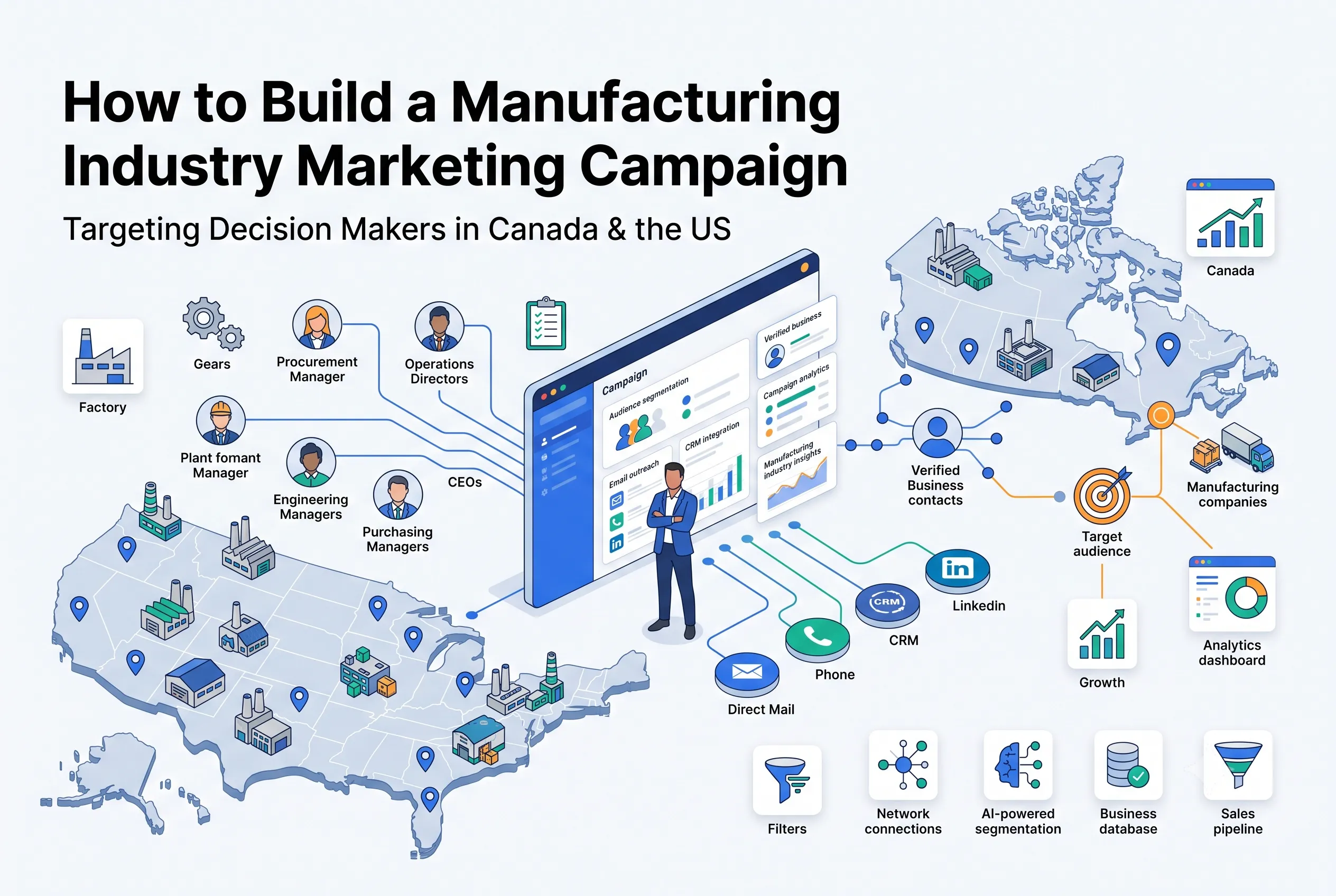
Manufacturing CEOs: Perfect for industrial equipment, supply chain solutions, or logistics services. Manufacturing companies often have significant capital expenditure budgets.
Healthcare CEOs: Target executives at hospitals, clinics, medical practices, or healthcare technology companies. Healthcare professionals and administrators have unique compliance and operational needs.
Real Estate CEOs: Reach developers, property management firms, or real estate investment companies. Real estate professionals make substantial purchasing decisions around technology, services, and equipment.
Hospitality CEOs: Target hotel chains, restaurant groups, or tourism operators. Hospitality industry executives need everything from POS systems to linen services.
FinTech CEOs: If you’re selling to the financial technology sector, FinTech companies represent a rapidly growing market with substantial investment capital.
Automotive CEOs: For companies serving dealerships, repair shops, or automotive industry suppliers, targeting executives in this sector opens doors to ongoing B2B relationships.
By Revenue
Revenue-based targeting helps you focus on companies that can afford your solution:
- Under $1M: Startups and micro-businesses
- $1M-$10M: Small businesses with established operations
- $10M-$50M: Growing mid-market companies
- $50M-$500M: Substantial enterprises
- $500M+: Large corporations
The higher the revenue threshold, typically the more expensive the list but also the more qualified the prospects.
By Geography
Geographic targeting is crucial for businesses with regional service areas, compliance considerations, or expansion strategies:
- Local targeting: City or county-level for service providers
- Regional targeting: Multi-state areas for regional distributors
- National targeting: US-wide for scalable solutions
- International targeting: Canada, North America, or global markets
Some companies need highly specific geographic targeting, like CEOs of tourism companies in mountain resort towns or education sector administrators in specific school districts.
How Companies Use CEO Lists: Real-World Applications
Let’s get practical. Here’s how different types of businesses actually use CEO lists:
B2B Software and SaaS Companies
A company selling enterprise resource planning (ERP) software targets manufacturing CEOs at companies with 100-500 employees and $10M-$100M in revenue. They use a multi-channel approach: personalized direct mail with a high-value offer, followed by targeted email sequences, and strategic outbound calling to schedule demos.
Business Consulting Firms
Management consultants targeting CEOs of private equity-backed companies use business telemarketing lists to reach executives during strategic transition periods. Their approach focuses on companies that recently received funding or underwent ownership changes.
Commercial Insurance Brokers
Insurance agencies use business direct mail lists to send renewal comparison packages to CEOs of companies with 50-200 employees. They target specific industries with high insurance costs (construction, transportation, healthcare) and time their campaigns around typical renewal periods.
Equipment Manufacturers
A company selling commercial kitchen equipment targets CEOs of restaurant groups and hotel chains. They use specialty lists that identify businesses undergoing expansion or renovation, timing their outreach for maximum relevance.
Financial Services Firms
Wealth management firms and business banking services target small business CEOs and new business founders. Their campaigns focus on financial planning, business loans, or succession planning services.
Nonprofit Organizations
Charities seeking corporate sponsorships use CEO lists to identify potential donors based on company size, industry alignment with their cause, and geographic proximity to their programs. Nonprofit organizations often cross-reference CEO lists with philanthropic giving patterns.
Commercial Real Estate Developers
Developers targeting companies planning expansion use CEO lists combined with indicators like recent funding rounds, employee growth rates, or lease expiration dates. They offer site tours and build relationships before space needs become urgent.
Best Practices for Using CEO Lists Effectively
Having a CEO list is one thing. Using it effectively is another. Here’s how to maximize your results:
Personalization Is Non-Negotiable
Generic “Dear CEO” messages get deleted immediately. Use the executive’s name, reference their company specifically, and demonstrate that you understand their industry challenges. If you’re using opt-in email lists, personalization dramatically improves open rates and response rates.
Lead with Value, Not Features
CEOs don’t care about your product specifications. They care about outcomes: increased revenue, reduced costs, competitive advantages, risk mitigation, or operational efficiency. Your message should answer one question: “How does this make my business more successful?”
Timing Matters
Don’t send a cold pitch on Monday morning when CEOs are drowning in weekend backlog. Tuesday through Thursday, mid-morning or early afternoon, typically sees better engagement. For direct mail campaigns, consider industry-specific cycles like fiscal year planning, budget season, or renewal periods.
Multi-Touch Strategy
One email won’t cut it. One phone call won’t cut it. Effective CEO outreach requires multiple touchpoints across multiple channels. A typical sequence might include:
- Personalized direct mail piece with high production value
- Follow-up email referencing the mailer
- LinkedIn connection request with custom note
- Phone call with specific value proposition
- Additional email with case study or social proof
- Final outreach with limited-time incentive
This is where multi-channel lists shine you can reach the same executive via mail, email, and phone in a coordinated campaign.
Focus on Quality Over Quantity
It’s better to deeply research and personally reach out to 100 highly qualified CEOs than to blast a generic message to 10,000. Quality always beats volume when targeting executives.
Respect Their Time
Keep messages concise. Get to the point quickly. Make it easy for them to respond. Provide clear next steps. Don’t ask for 30 minutes offer a 10-minute call. Don’t send a 5-page proposal send a one-page executive summary.
Leverage Gatekeepers Strategically
Executive assistants aren’t obstacles they’re partners. Be respectful, professional, and honest about your purpose. Many successful salespeople build relationships with EAs who then advocate for them with the CEO.
Use Social Proof
CEOs make decisions based on what their peers are doing. Reference similar companies you’ve worked with, industry leaders who use your solution, or recognizable logos. Third-party validation carries weight.
Common Mistakes to Avoid with CEO Lists
Even experienced marketers make these errors:
Mistake 1: Buying Low-Quality Lists
Cheap lists are cheap for a reason. Outdated contact information, incorrect titles, and poor data hygiene waste your time and damage your reputation. Work with reputable list brokers who vet their sources and guarantee accuracy.
Mistake 2: Not Segmenting Your List
Don’t treat all CEOs the same. The CEO of a 10-person startup has different needs, challenges, and decision-making processes than the CEO of a 500-person corporation. Segment your list and customize your approach accordingly.
Mistake 3: Ignoring Compliance
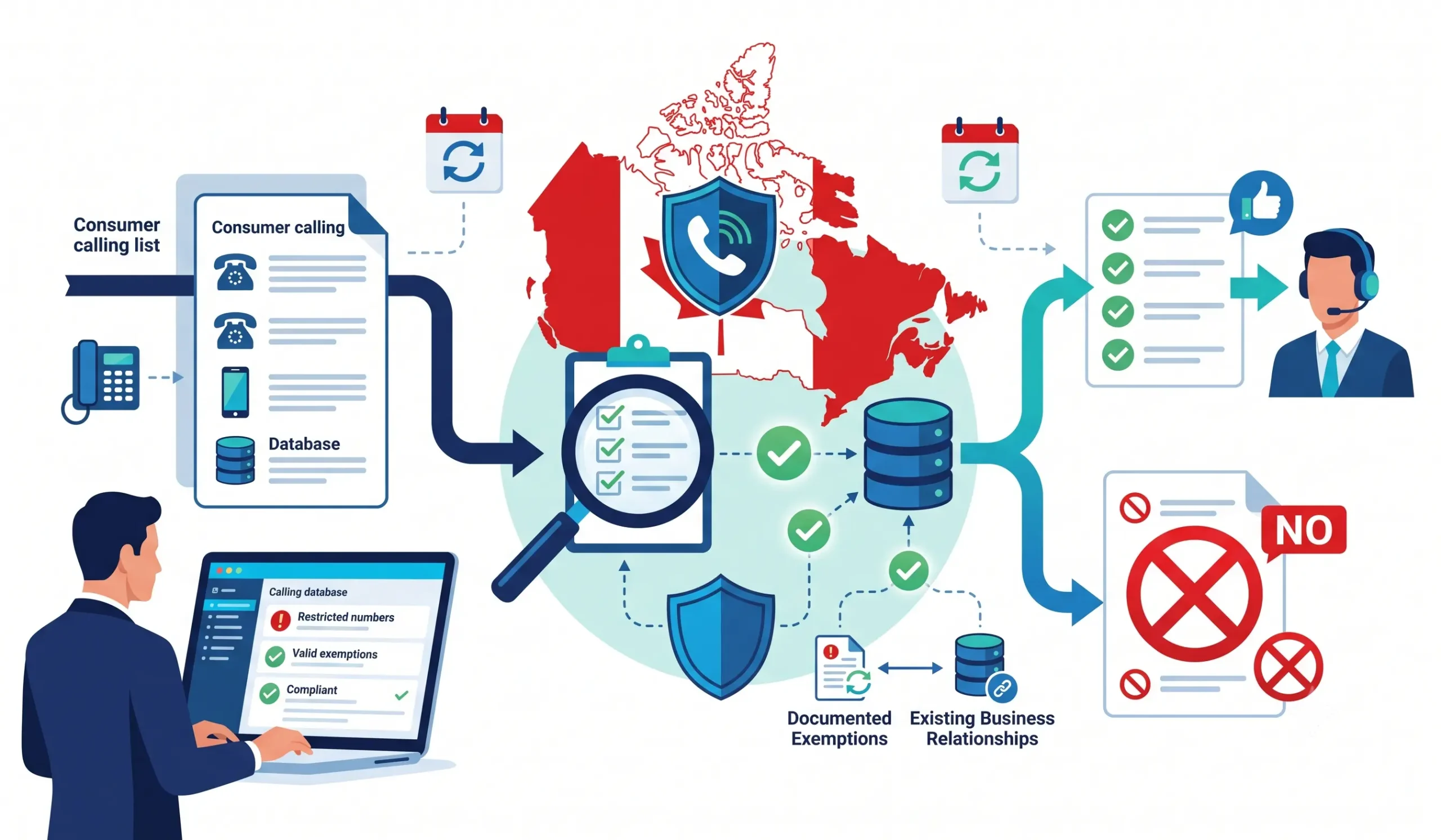
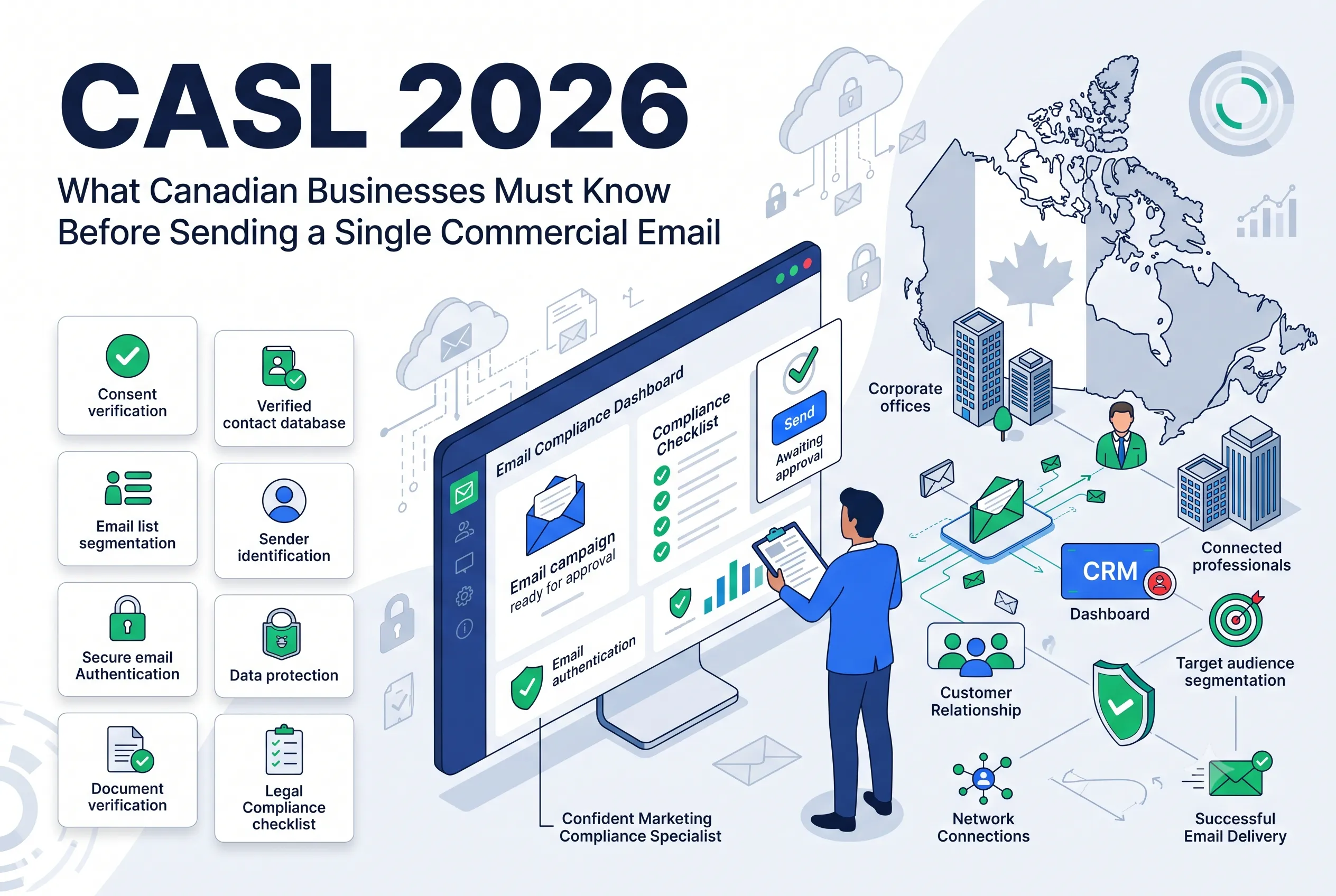
For telemarketing campaigns, ensure your list is scrubbed against Do Not Call registries. For email campaigns, verify that contacts have opted in and that you’re compliant with CANSPAM and CASL regulations. Violations are expensive.
Mistake 4: Weak Value Proposition
“We’re the best” or “Industry leader” means nothing to CEOs. They need specific, quantifiable benefits relevant to their business. Instead of “We improve efficiency,” try “We helped three companies in your industry reduce operational costs by 23% in six months.”
Mistake 5: No Follow-Up Strategy
Most campaigns fail not because the targeting was wrong, but because there was no follow-up. CEOs are busy. They might be interested but forget to respond. A structured follow-up sequence is essential.
Mistake 6: Selling Instead of Starting Conversations
Your first contact shouldn’t be a hard sell. It should be the beginning of a relationship. Ask questions. Offer insights. Provide value before asking for anything in return.
How to Evaluate CEO List Quality
Before you invest in a CEO list, ask these critical questions:
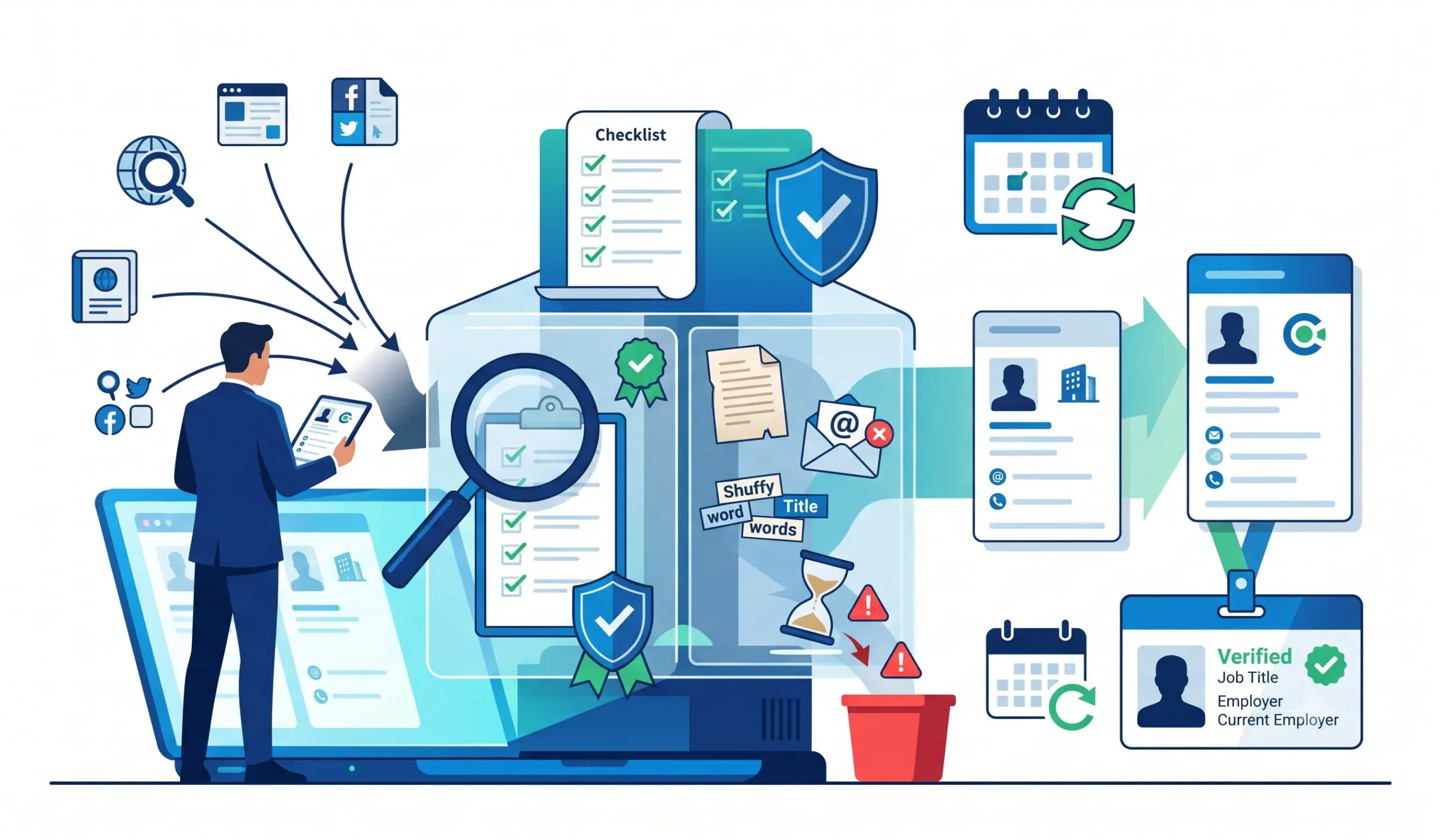
When was the list last updated? Data decays quickly. Lists should be updated at least quarterly, preferably monthly. Executive turnover means last year’s CEO might not be running the company anymore.
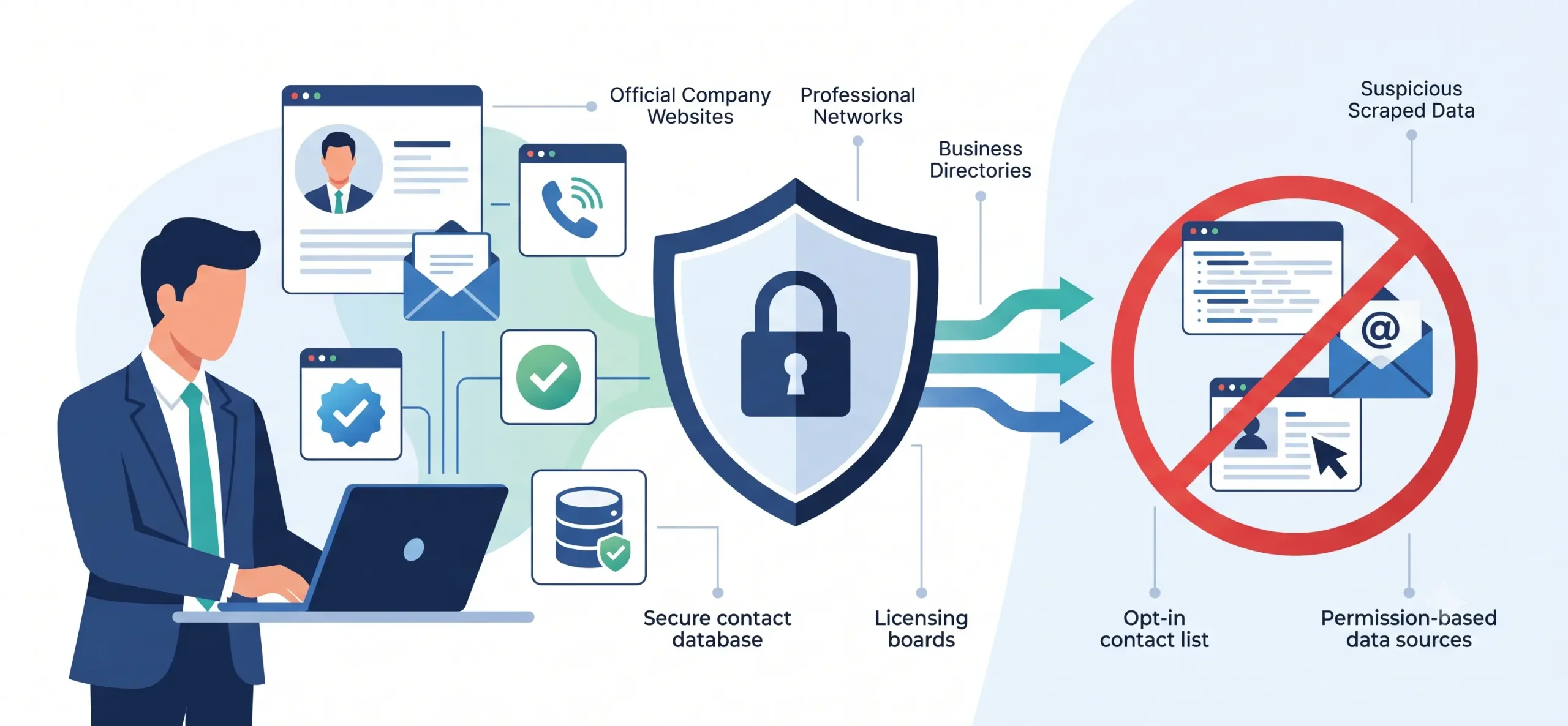
What’s the source of the data? Compiled from public records? Surveyed directly? Purchased from business directories? Different sources have different accuracy levels.
What’s the deliverability guarantee? Reputable providers guarantee 95%+ accuracy. For direct mail, they should offer NCOA (National Change of Address) processing.
Can you select by additional criteria? The more targeting options available, the better. Can you filter by revenue, employee count, industry sub-segments, technology usage, or recent business events?
What happens if the data is wrong? Do they offer replacements for bad records? What’s their refund or credit policy?
Is the list scrubbed for compliance? For phone lists, are they scrubbed against Do Not Call registries? For email lists, are they opt-in and CANSPAM compliant?
The Cost of CEO Lists: What to Expect
CEO lists are premium products and priced accordingly. Here’s what influences cost:
Targeting Specificity: Basic CEO lists (just title and industry) cost less than highly filtered lists with multiple selection criteria.
Volume: Most lists have minimum order quantities, typically 1,000-5,000 names. Cost per record decreases with higher volumes.
Contact Methods: A list with just mailing addresses is cheaper than one that includes verified email addresses and direct phone numbers.
Industry Specialization: Lists for niche industries or specialized executive roles (CEO + specific certifications or experience) command premium pricing.
Recency and Accuracy: Frequently updated, high-accuracy lists cost more but deliver better results.
Expect to pay anywhere from $0.15 to $1.00+ per record depending on these factors. While that might seem expensive, consider the lifetime value of landing just one major client through executive-level outreach.
Alternatives and Complements to CEO Lists
CEO lists work best as part of a broader strategy:
LinkedIn Sales Navigator: Great for research and warm introductions, but time-intensive for large-scale outreach.
Industry Associations: Trade groups often have member directories with executive contacts. More targeted but limited in scope.
Event Attendance Lists: Conferences and trade shows where CEOs attend provide warm leads with built-in conversation starters.
Referral Networks: Introductions from mutual connections have the highest conversion rates, but they’re harder to scale.
Intent Data: Platforms that track which companies are researching solutions like yours can identify CEOs actively in buying mode.
The most effective approach combines multiple channels: use CEO lists for broad outreach, leverage LinkedIn for research and engagement, attend industry events for face-to-face connections, and cultivate referral relationships for warm introductions.
Working with List Brokers for CEO Lists
Given the complexity and cost of CEO lists, working with experienced list brokers makes strategic sense. Here’s what they bring to the table:
Access to Multiple Sources: They can compare CEO lists from dozens of providers to find the best quality and pricing for your needs.
Targeting Expertise: They’ll help you define the right selection criteria based on your ideal customer profile and campaign goals.
Quality Vetting: They know which list sources deliver accurate data and which ones are recycling outdated information.
Cost Negotiation: Established brokers often secure better pricing than going direct to list owners.
Multi-Channel Coordination: They can help you build multi-channel campaigns that combine direct mail, email, and telemarketing for maximum impact.
Compliance Guidance: They ensure your lists meet all regulatory requirements for your intended use.
Post-Campaign Analysis: Good brokers help you evaluate results and refine targeting for future campaigns.
Measuring Success with CEO Lists
How do you know if your CEO list campaign worked? Track these metrics:
Deliverability Rate: What percentage of mail/email actually reached the intended recipient? Anything below 90% suggests data quality issues.
Response Rate: What percentage of CEOs took action (responded to email, returned a call, visited your website)? B2B CEO campaigns typically see 0.5-3% response rates, with highly targeted campaigns achieving 5%+.
Appointment/Demo Rate: Of those who responded, how many agreed to a meeting or demo? This is where you convert interest into real opportunities.
Conversion Rate: What percentage ultimately became customers? This is the only metric that truly matters for ROI.
Cost Per Acquisition: Total campaign cost divided by number of new customers. Compare this to your customer lifetime value to determine profitability.
Pipeline Value: Even if CEOs don’t buy immediately, track the total potential value of opportunities entered into your sales pipeline.
Use unique tracking mechanisms dedicated phone numbers, custom landing pages, personalized URLs to accurately attribute results to your CEO list campaign.
The Future of CEO Lists: What’s Changing
The CEO list industry is evolving rapidly:
Enhanced Data Points: Lists increasingly include digital behavior, technology stack information, funding history, and predictive buying signals.
AI-Powered Matching: Artificial intelligence helps identify look-alike companies and predict which CEOs are most likely to respond based on similar customer patterns.
Dynamic Updates: Real-time data feeds keep lists current as executives change roles, companies get acquired, or businesses relocate.
Intent Signal Integration: Combining traditional CEO lists with intent data that shows which executives are actively researching solutions creates warmer, more qualified outreach opportunities.
Privacy Regulation Impact: GDPR, CCPA, and emerging privacy laws are changing how data is collected and shared, making reputable sources even more valuable.
The companies that win with CEO lists are those that combine quality data with personalized, value-driven outreach and multi-touch engagement strategies.
Final Thoughts: CEOs Are People, Not Records
Here’s what too many marketers forget: behind every name on your CEO list is a real person facing real business challenges. They’re not just titles and email addresses they’re individuals under pressure to grow their companies, manage their teams, and deliver results.
The most successful CEO outreach campaigns aren’t about clever tactics or aggressive sales techniques. They’re about offering genuine value, demonstrating deep understanding of the executive’s industry and challenges, and building authentic relationships.
A quality CEO list gives you access. What you do with that access determines whether you’ll be ignored, deleted, or invited into the conversation.
Whether you’re targeting small business leaders, industry-specific executives, or women-owned businesses, the fundamentals remain the same: target precisely, personalize thoroughly, provide value immediately, and follow up consistently.
Do that, and your CEO list becomes more than just a database it becomes a pipeline of opportunity.
Ready to connect with CEOs at companies that need your solution? Work with experienced list brokers who can help you identify and reach the right executives with proven targeting strategies and verified contact data.