Major gift fundraising represents one of the most impactful forms of philanthropy. For nonprofits seeking sustainability, growth, and meaningful social change, identifying the right major gift prospects is not just important, it’s transformative.
In today’s competitive nonprofit environment, where donors expect transparency and meaningful engagement, understanding how to locate and connect with potential major donors has become both an art and a science. This comprehensive guide will walk you through each stage of the process from defining what makes a “major donor” to using ethical research methods and data-driven tools helping your organization build a strong foundation for long-term fundraising success.
1. Defining a Major Gift Prospect
The first step is clarity. Every nonprofit must define what qualifies as a “major gift” within its unique operational and financial context. For smaller charities, a major gift might start at $5,000; for larger institutions or universities, the threshold could be $50,000 or more.
Once that definition is set, identifying who fits the profile becomes the focus. A major gift prospect typically shows three essential qualities:
- Capacity – The financial ability to give at or above your organization’s major gift threshold.
- Affinity – A personal or emotional connection to your cause, mission, or leadership.
- Propensity – A demonstrated history of giving, either to your organization or similar causes.
The ideal prospect embodies all three traits. They have the means, the motivation, and the mindset to invest in your mission not as a one-time donor, but as a long-term partner.
2. Starting with Your Existing Data
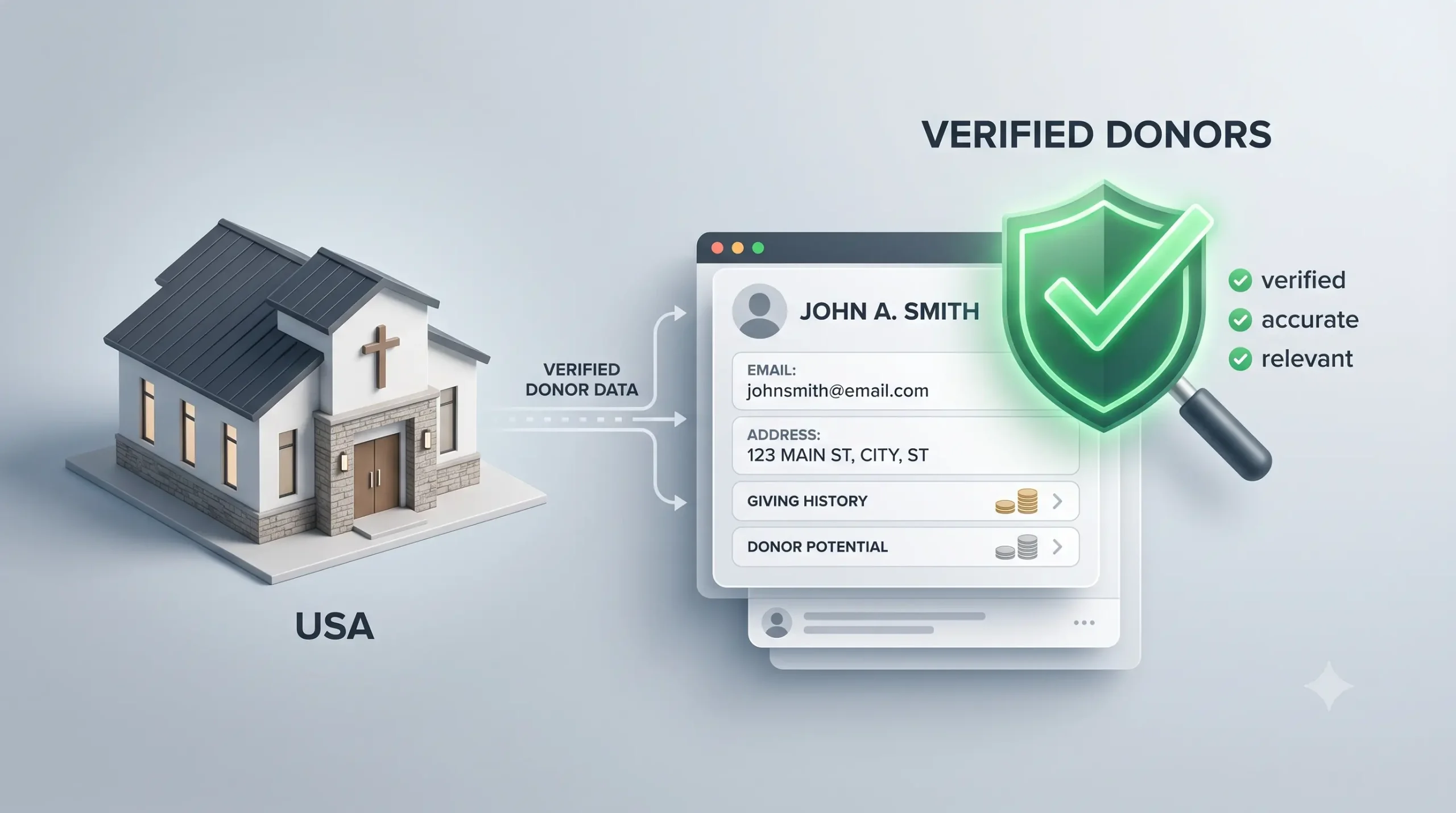
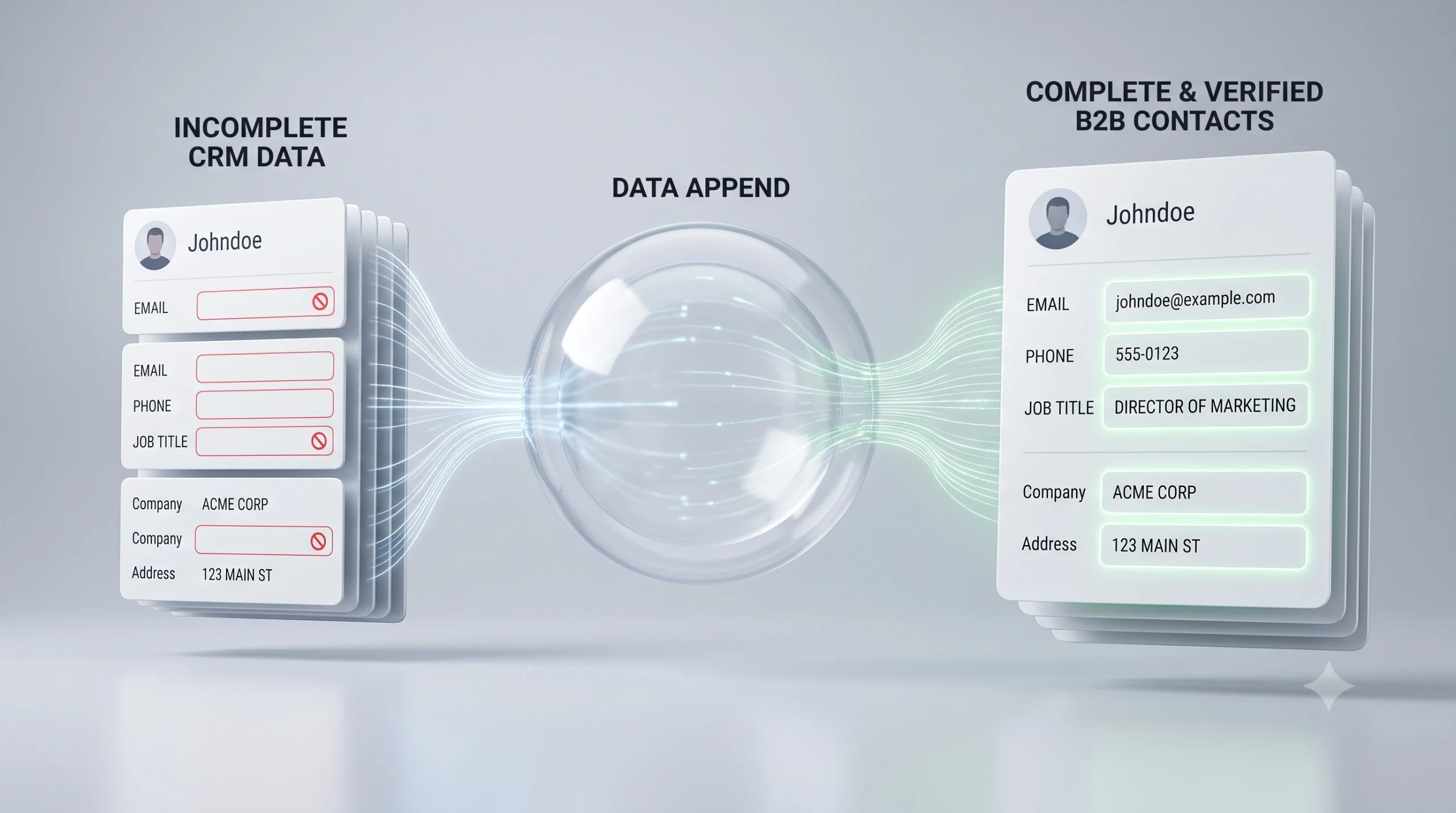
Before reaching out to new audiences, begin by analyzing your current donor base. Many nonprofits overlook their most promising prospects simply because they fail to mine the data they already possess.
Use your CRM or donor management software to review patterns such as:
- Donors who have increased their giving levels year over year.
- Supporters who regularly attend your events or volunteer.
- Recurring donors who demonstrate long-term loyalty.
These patterns reveal who is both capable and committed. By using segmentation and predictive modeling, you can prioritize those most likely to transition from mid-level to major donors.
Globally, organizations are increasingly adopting data-driven fundraising, using analytics not just for efficiency but also for transparency. However, compliance is key ensure all donor information is stored and analyzed in accordance with data protection laws such as GDPR (Europe), CCPA (California), or similar frameworks. Ethical stewardship of donor data builds trust, which is essential for major gift fundraising.
3. Leveraging Wealth and Philanthropy Research Tools
Identifying financial capacity can be supported by reputable wealth screening and philanthropy research tools. Platforms like iWave, WealthEngine, DonorSearch, or Gravyty allow nonprofits to gather publicly available data from real estate ownership to corporate affiliations and prior charitable giving.
However, fundraising professionals must balance insight with privacy and ethics. The use of wealth data should comply with global best practices and local privacy regulations. Avoid assumptions solely based on wealth indicators; philanthropic motivation often runs deeper than income.
When used responsibly, these tools help development teams prioritize leads efficiently. The data should serve as a guide not a judgment to build relationships rooted in shared values and mutual respect.
4. Measuring Engagement and Behavioral Indicators
Money is not the only metric that matters. Engagement is often the strongest predictor of major gift potential.
Track donor behaviors across different channels:
- Event Participation: Attendance at galas, webinars, or community outreach programs.
- Digital Interaction: Email opens, click-through rates, and social media engagement.
- Volunteer Activity: Donors who contribute time often evolve into financial supporters.
When a donor consistently interacts with your organization reading updates, sharing campaigns, or responding to surveys it signals emotional investment. Globally, nonprofits have found that integrating behavioral analytics into donor scoring systems improves major gift conversion rates significantly.
By blending quantitative data (donation size, frequency) with qualitative insights (motivation, engagement), you create a holistic donor profile that’s both accurate and actionable.
5. Network Mapping and Peer Connections
Philanthropy thrives on relationships, and one of the most effective ways to identify new prospects is through existing donor networks.
Encourage board members, leadership teams, and influential donors to introduce your mission to their peers. A warm introduction through trusted networks increases credibility and engagement rates exponentially.
Globally, many successful institutions including hospitals, universities, and cultural organizations maintain major donor councils or advisory boards that serve as ambassadors. These members use their connections to open doors to new prospects who might otherwise remain out of reach.
In a digital-first world, LinkedIn and other professional networking platforms can complement traditional peer outreach by revealing mutual connections and shared affiliations.
6. Qualifying and Prioritizing Prospects
After gathering your list of potential prospects, the next step is qualification assessing who truly fits your major gift criteria.
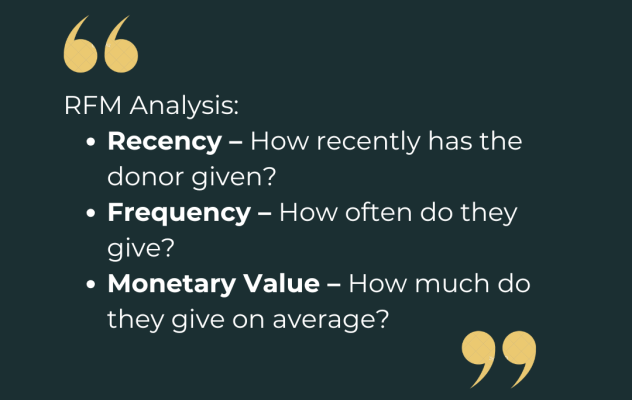
A widely used framework in professional fundraising is RFM Analysis:
- Recency – How recently has the donor given?
- Frequency – How often do they give?
- Monetary Value – How much do they give on average?
Layer this with Capacity–Affinity–Access scoring to prioritize outreach. This helps create a manageable portfolio of high-value prospects, ensuring that staff time and cultivation efforts are used effectively.
Many large nonprofits and global NGOs use prospect pipelines dynamic tracking systems that move donors through stages (Identification → Qualification → Cultivation → Solicitation → Stewardship). This structured approach creates accountability and measurable progress across teams.
7. Integrating Compliance and Ethical Standards
In the pursuit of major gifts, maintaining integrity is non-negotiable. Donor research must always comply with privacy laws, and all collected data should be stored securely and used transparently.
Here are key ethical guidelines:
- Informed Transparency: Clearly communicate how donor information will be used.
- Data Minimization: Collect only what is necessary and relevant.
- Donor Consent: Follow opt-in practices for communications and solicitations.
- Non-Discrimination: Avoid profiling based solely on personal or demographic data.
Nonprofits operating globally should familiarize themselves with international data standards, including GDPR (Europe), LGPD (Brazil), and PIPEDA (Canada). Ethical prospect research enhances donor confidence and long-term relationships the backbone of major gift fundraising.
8. Cultivating a Relationship-Based Approach
Identifying prospects is not the end goal; it’s the beginning of a relationship. Every interaction, whether through email, an event, or a meeting, should deepen mutual understanding and trust.
Successful fundraisers focus on relationship alignment, not just revenue potential. They study the donor’s interests, professional background, and philanthropic goals, aligning proposals with what truly matters to them.
This is where the art of cultivation begins a gradual process of engagement, storytelling, and authenticity. A prospect who feels seen, respected, and inspired is far more likely to become a lifelong partner in your mission.
9. The Global Perspective: Cross-Border Major Gifts
In an increasingly globalized world, major donors often have multinational interests and philanthropic portfolios. U.S.-based nonprofits may receive large gifts from donors in Europe, Asia, or the Middle East and vice versa.
Understanding cross-border giving regulations and tax implications is vital. For example:
- Donors in the U.S. may prefer giving through 501(c)(3)-registered organizations to receive tax deductions.
- International donors may seek dual-qualified gift structures (such as UK–US dual charity partnerships).
Being prepared to facilitate international gifts positions your organization as globally competent and donor-friendly a key differentiator in today’s philanthropy landscape.
10. Turning Data into Action
The ultimate goal of prospect identification is action moving from insight to engagement. Use your findings to:
- Create personalized outreach plans.
- Assign relationship managers for top-tier prospects.
- Schedule meaningful touchpoints and cultivation activities.
Regularly review and refresh your prospect list. Donor capacity and interests evolve, so maintaining an adaptive, responsive approach ensures your efforts stay relevant.
By combining compliance, analytics, and emotional intelligence, your organization can build a sustainable major gift pipeline that continues to grow year after year.
Conclusion
Identifying major gift prospects is a sophisticated process that blends data science, relationship management, and ethical responsibility. It’s about finding the intersection of capacity, connection, and conviction where financial ability meets genuine passion for your mission.
When done thoughtfully, this process not only fuels fundraising success but also strengthens your organization’s credibility and global impact. Every identified prospect represents more than a potential donation they represent the next chapter in your story of meaningful change.