In nonprofit fundraising, Planned Giving and Major Gifts are two of the most significant sources of long-term revenue and sustainability. Both involve high-value donors who believe deeply in your mission, but they differ in timing, structure, motivation, and approach.
Understanding these differences helps organizations design more effective fundraising strategies, build stronger relationships with donors, and create a balanced pipeline for immediate and future impact.
1. Understanding Major Gifts
A major gift is typically a large, one-time contribution made by an individual, corporation, or foundation to support a specific initiative, campaign, or need. What qualifies as a “major gift” can vary for a small local nonprofit, it might be $5,000; for a national organization, it could be $100,000 or more.
Major gifts often fund things like:
- Building expansions or capital campaigns
- Scholarships or research grants
- New programs or community outreach projects
Major donors are usually actively cultivated through personal relationships, meetings, and engagement over time. They tend to expect a clear connection between their gift and measurable results such as a new facility, a named scholarship, or an impact report. Learn proven major donor cultivation strategies that build the trust and partnership necessary for both immediate major gifts and eventual planned giving conversations.
Key characteristics of Major Gifts:
- Immediate impact: Funds are typically received and used in the short term.
- Personalized solicitation: Requires direct, one-on-one donor engagement.
- High stewardship: Recognition, follow-ups, and transparent reporting are essential.
- Motivation: Donors are often driven by passion, visibility, or a desire to see tangible results.
In short, major gifts are the lifeblood of a nonprofit’s present success. They provide the resources needed to launch or sustain impactful projects.
2. Understanding Planned Giving
Planned Giving (also known as legacy giving) focuses on the future rather than the present. It involves donors committing a gift to the organization through their financial or estate plans, to be realized at a later date often after their lifetime.
Examples include:
- Bequests in wills or trusts
- Life insurance policy designations
- Retirement plan beneficiaries
- Charitable remainder trusts or annuities
Planned giving allows donors to make larger gifts than they could during their lifetime, while still taking care of their families and other responsibilities. It’s often motivated by a deep emotional connection with the cause a desire to leave a lasting legacy.
Key characteristics of Planned Giving:
- Future-focused: The organization receives the funds in the long term.
- Financially strategic: Uses tax and estate planning tools.
- Emotionally driven: Donors want to make a legacy impact.
- Stewardship is essential: Building trust and long-term engagement matters most.
In essence, planned giving is about legacy and foresight helping supporters shape the future of the causes they care most about.
3. The Core Difference: Timing, Intention, and Structure (Rewritten without table)
At first glance, major gifts and planned giving may seem similar both involve substantial generosity and deep donor commitment. However, the real difference lies in timing, intention, and structure.
Major gifts are made and received in the present. They’re immediate, actionable contributions used to meet a nonprofit’s current goals such as launching a program, constructing a facility, or supporting a scholarship fund. Donors who make major gifts are often motivated by the desire to see impact now. They value recognition, transparency, and measurable results.
Planned giving, on the other hand, is forward-looking. The donor makes a commitment today, but the gift itself is realized in the future often through estate plans or financial instruments like wills, trusts, or insurance policies. Here, motivation stems from legacy and continuity the wish to make a lasting difference that endures beyond one’s lifetime.
From a structural perspective, major gifts typically involve direct solicitation and immediate funding, while planned giving requires careful financial and legal coordination. Fundraisers often collaborate with donors’ advisors to ensure the arrangements align with both philanthropic and family goals.
In essence, major gifts strengthen a nonprofit’s present capacity, while planned giving safeguards its future stability. One satisfies the need for visible, present-day impact; the other creates a bridge between generations of supporters.
4. The Emotional Side of Giving
Donors who give major gifts are often motivated by the desire to witness impact. They want to see how their contribution changes lives or strengthens the organization. Planned giving donors, on the other hand, are usually thinking beyond themselves about the legacy they’ll leave and the difference their name will make long after they’re gone.
Both emotional motivations are powerful. A good fundraiser learns to recognize these cues and tailor the conversation accordingly. When a major donor begins talking about their family, their future, or their values, it may signal openness to planned giving discussions.
5. Integrating Both into a Unified Fundraising Strategy
Leading nonprofits don’t treat major gifts and planned giving as separate silos. Instead, they build a holistic donor journey that transitions naturally from immediate to legacy giving.
Here’s how organizations can align both strategies:
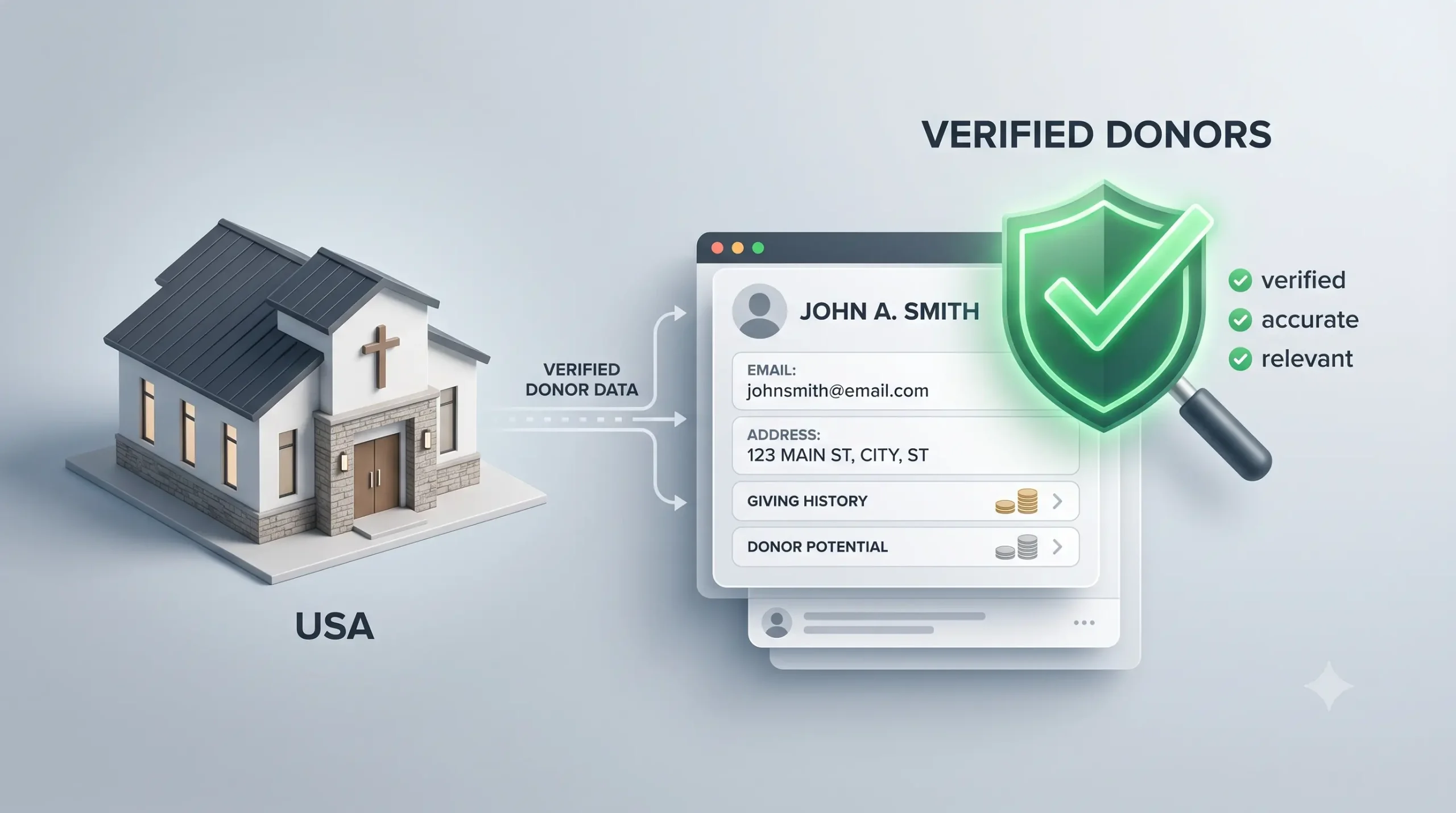
- Start with relationship building. Start with relationship building. Every planned gift conversation begins as a major gift relationship built on trust, transparency, and shared goals. Expanding your donor pipeline with targeted nonprofit donor lists that include age demographics and giving history helps you identify prospects for both immediate major gifts and future legacy conversations.
- Identify long-term supporters. Donors who consistently give at significant levels or show emotional commitment are prime candidates for planned giving discussions. Building a robust prospect pipeline with verified affluent donor lists helps you identify individuals with both the capacity for major gifts today and the potential for legacy commitments tomorrow.
- Educate donors about options. Many people don’t realize they can leave a gift through their will or life insurance. Clear, simple communication helps.
- Maintain consistent stewardship. Whether the donor gives now or later, ongoing engagement and appreciation are vital.
- Collaborate across teams. Major gift officers and planned giving officers should share data, insights, and donor history to maintain a seamless experience.
When both programs work hand-in-hand, the nonprofit strengthens its financial stability ensuring today’s needs are met without compromising tomorrow’s mission.
6. Compliance and Ethical Considerations
Both major and planned giving come with compliance responsibilities, especially for U.S.-based nonprofits operating globally. Fundraisers must ensure:
- IRS compliance for charitable deductions and tax receipts.
- Donor confidentiality in financial and estate planning discussions.
- Transparency about how gifts will be used and recognized.
- Written agreements for large or complex contributions.
It’s equally important to approach planned giving discussions ethically. Fundraisers should never provide direct legal or tax advice; instead, they can recommend that donors consult their financial advisors or attorneys while offering general information.
This professionalism not only builds trust but also safeguards the organization’s credibility in the long run.
7. Global Perspectives on Planned Giving and Major Gifts
While U.S. nonprofits lead in formal planned giving programs, global interest is rising.
- In the U.K. and Canada, legacy giving through wills has become a mainstream philanthropic tool.
- In Australia and Europe, major giving initiatives are expanding rapidly, driven by corporate social responsibility movements.
- Asian and Middle Eastern donors often prefer community-oriented or faith-based giving models, where legacy and reputation are deeply intertwined.
Understanding these cultural differences helps international nonprofits tailor their messaging and donor engagement strategies appropriately.
8. Choosing the Right Approach for Your Nonprofit
The right balance between major gifts and planned giving depends on your organization’s:
- Current funding needs (short-term vs. long-term)
- Donor demographics (age, wealth stage, engagement level)
- Operational capacity (staff, tools, and data systems)
- Mission goals (program expansion, endowment building, etc.)
If your nonprofit is new to one of these fundraising types, start small. For instance, a robust major gift program can naturally evolve into a planned giving strategy once donor relationships mature. For comprehensive guidance on establishing the foundation, see our guide to building a major gifts program from scratch, which provides the infrastructure needed to support both immediate and legacy giving strategies.
9. The Takeaway
While Major Gifts drive immediate transformation, Planned Giving secures enduring legacy. Both are pillars of sustainable fundraising complementing each other rather than competing.
A forward-thinking nonprofit nurtures both: engaging major donors today while inspiring them to leave a lasting imprint tomorrow.